
Quick Answer
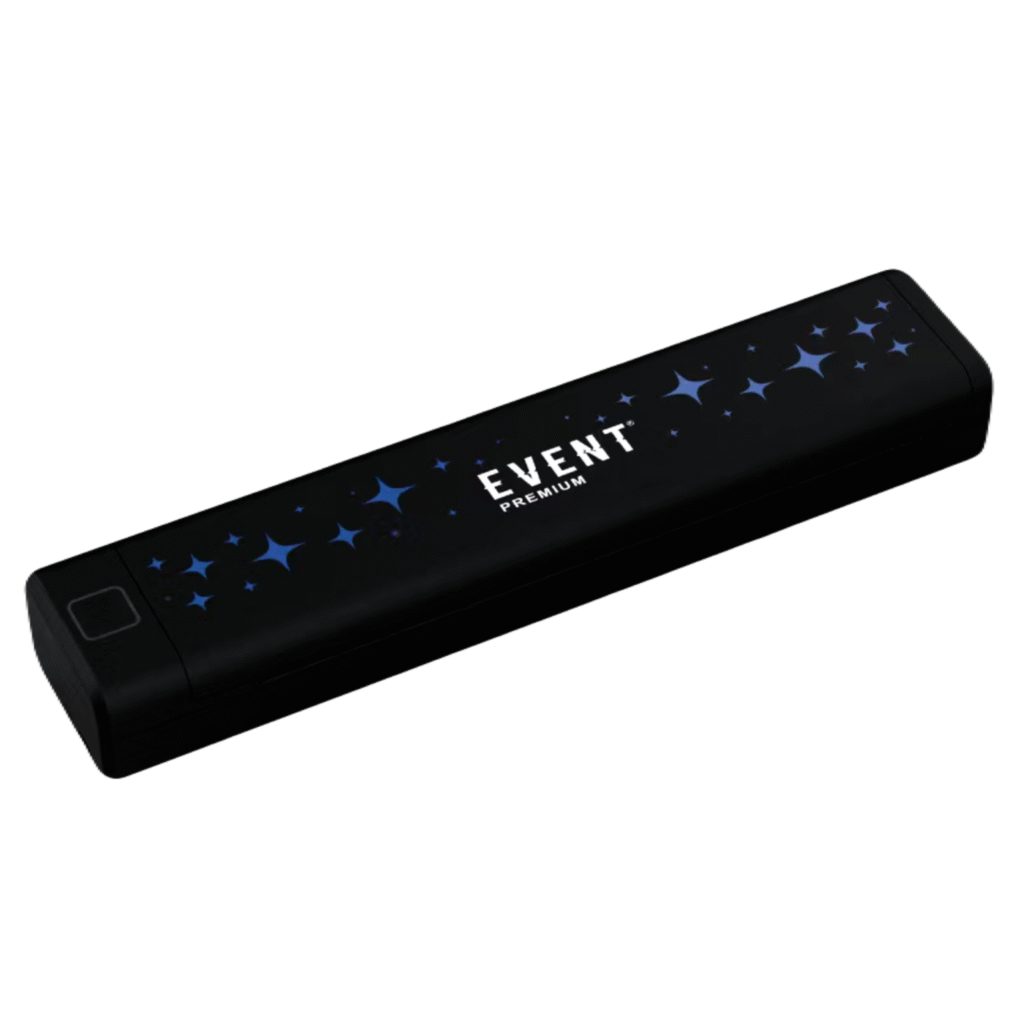
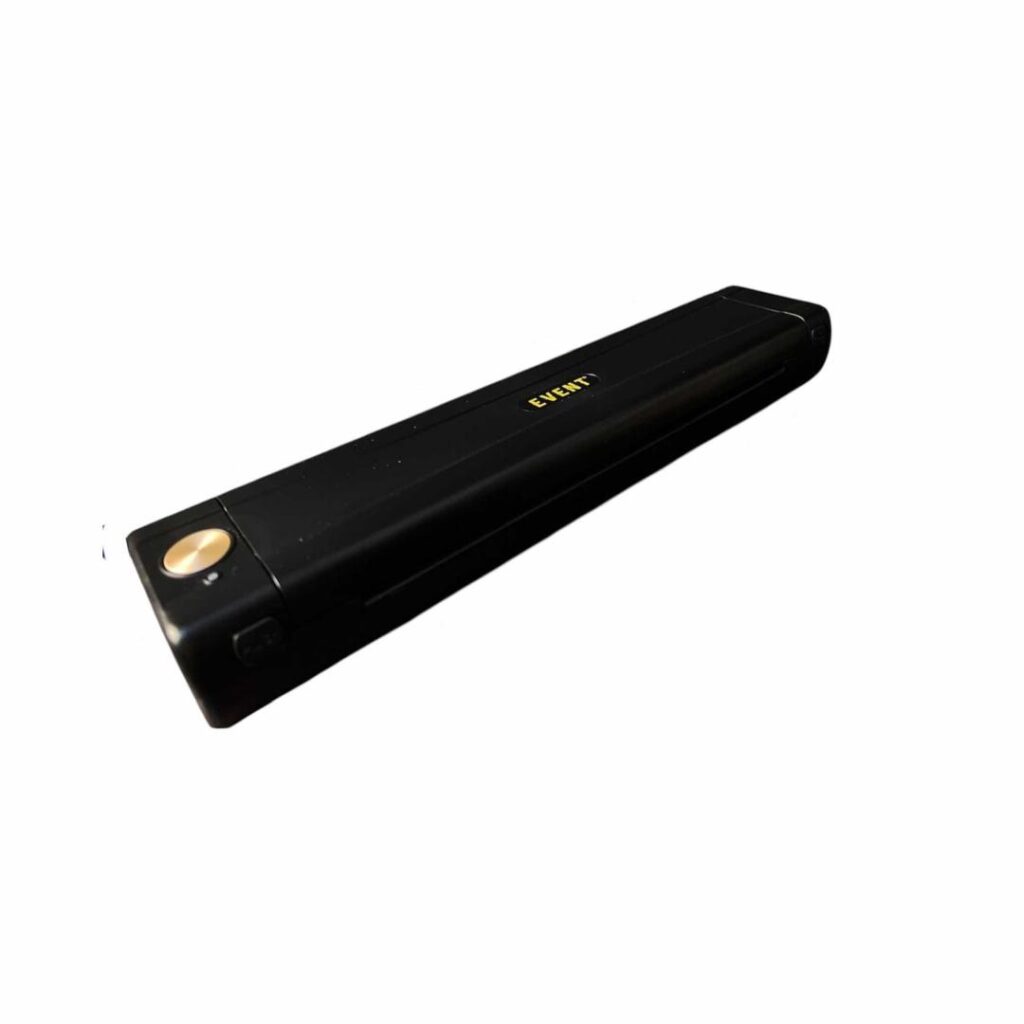
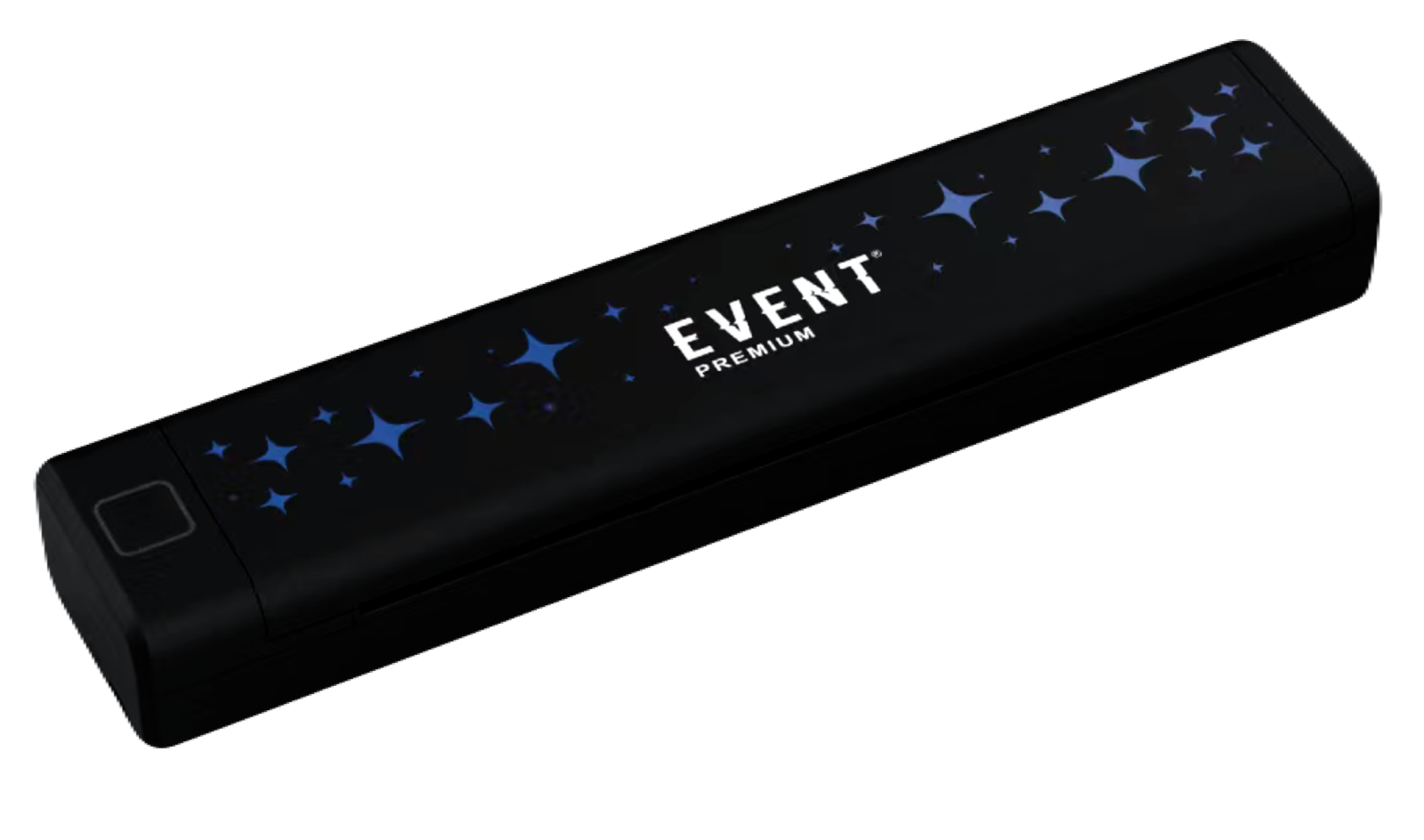
The printer used for tattoo stencils is a thermal stencil printer (also called a thermal tattoo transfer printer).
It works with thermal transfer paper to create clean, skin-ready stencil outlines without ink cartridges.
Why Thermal Printers Are Used for Tattoo Stencils
Tattoo stencils require:
- Precise line clarity
- Clean transfer onto stencil paper
- Smudge-resistant outlines
- Fast preparation during client sessions
Standard inkjet or laser printers are not designed for thermal stencil paper. They use ink or toner, which does not properly react with transfer sheets used in tattooing.
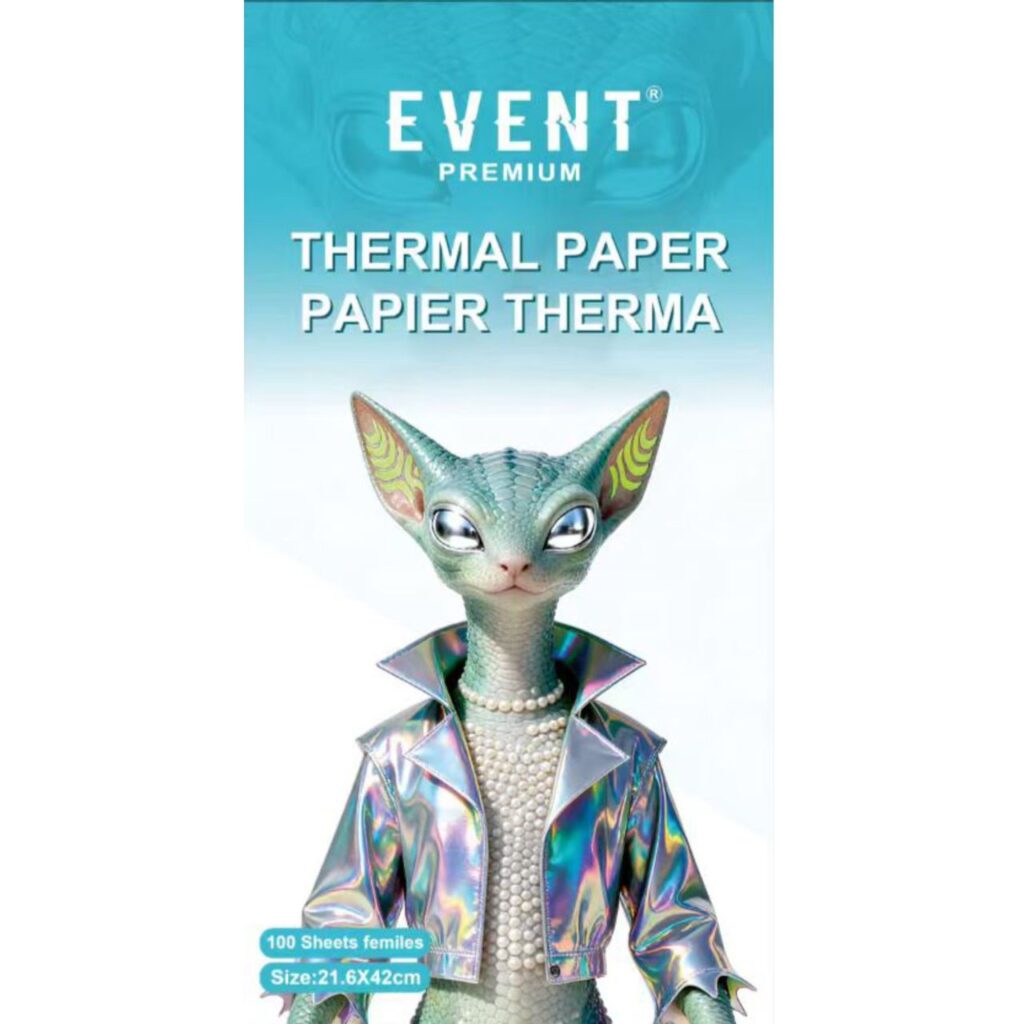
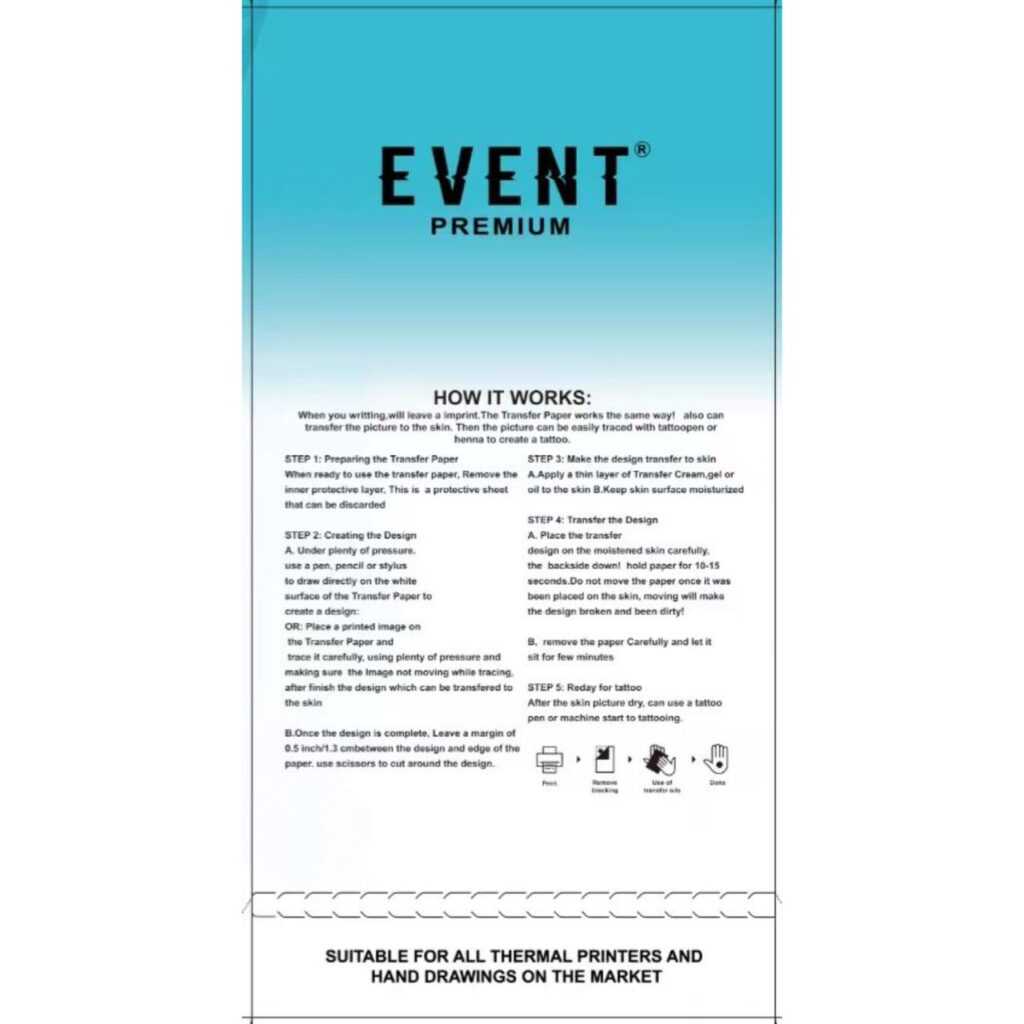
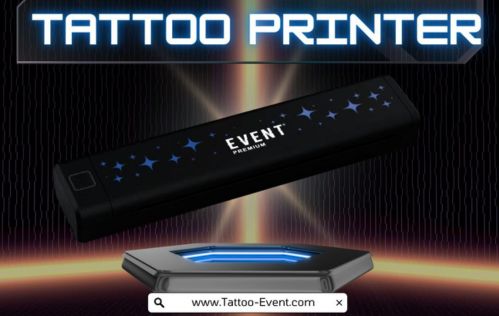
A thermal tattoo printer, on the other hand, uses heat to activate carbon-based transfer layers inside stencil paper. This creates sharp, clean purple stencil lines that transfer smoothly onto the skin.
How a Tattoo Stencil Printer Works
The process is straightforward but technically refined:
- A digital design is created on a tablet or computer.
- The design is mirrored (flipped horizontally).
- The stencil paper is loaded into the thermal printer.
- The printer applies controlled heat.
- Heat activates the carbon layer inside the transfer paper.
- The stencil outline is printed onto the top sheet.
No ink. No toner. No drying time.
This method ensures:
- Consistent line thickness
- Minimal bleeding
- Reliable stencil transfer to skin
For modern tattoo artists, this system drastically improves efficiency compared to old hand-traced carbon methods.
How Tattoo Stencil Printers Came to Be
Before thermal printers, artists used:
- Hand-drawn carbon tracing
- Manual stencil copying machines
- Modified fax-style thermal machines
Early electric stencil machines were adapted from office thermal fax printers in the 1980s and 1990s. As tattooing professionalized, manufacturers began producing dedicated tattoo stencil printers designed specifically for transfer paper.
The shift happened because:
- Tattoo designs became more complex
- Digital artwork replaced hand drawing
- Efficiency became essential in professional studios
- Convention and event tattooing required speed
Today, modern wireless thermal stencil printers are compact, lightweight, and often Bluetooth-enabled—ideal for studio and event work.
Where Can You Get a Tattoo Stencil Printer?
Professional tattoo stencil printers are available through:
- Specialized tattoo supply brands
- Tattoo equipment manufacturers
- Dedicated tattoo device retailers
If you’re building a serious career, avoid generic office thermal printers. They are not optimized for tattoo transfer paper and may damage sheets or produce inconsistent results.
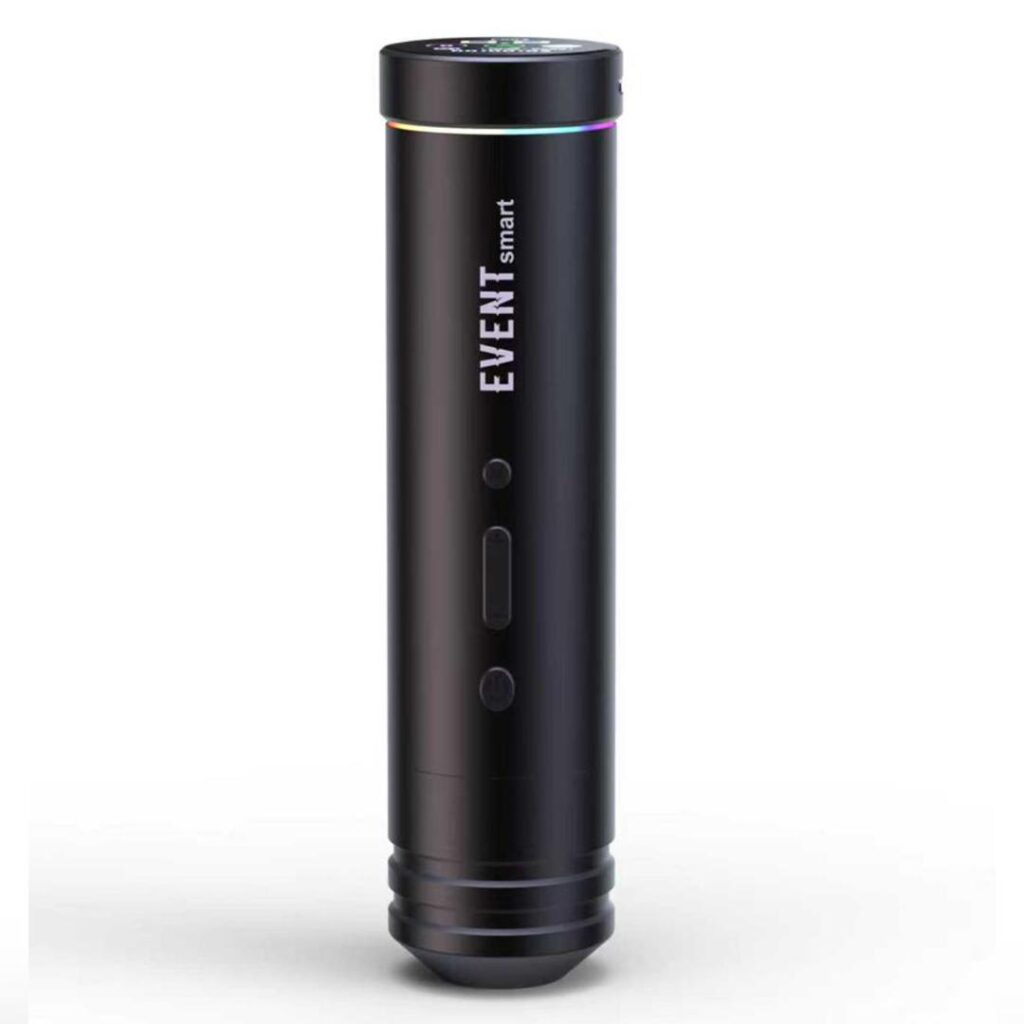
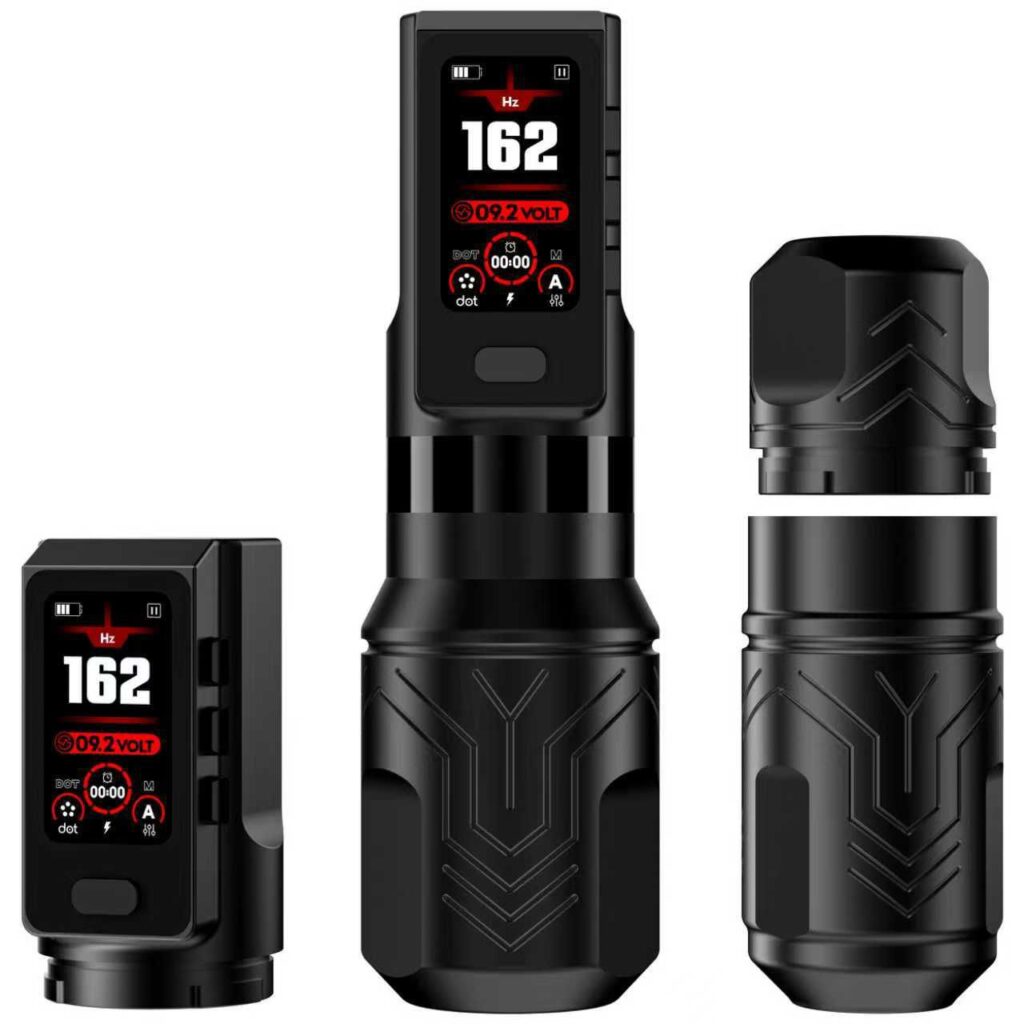
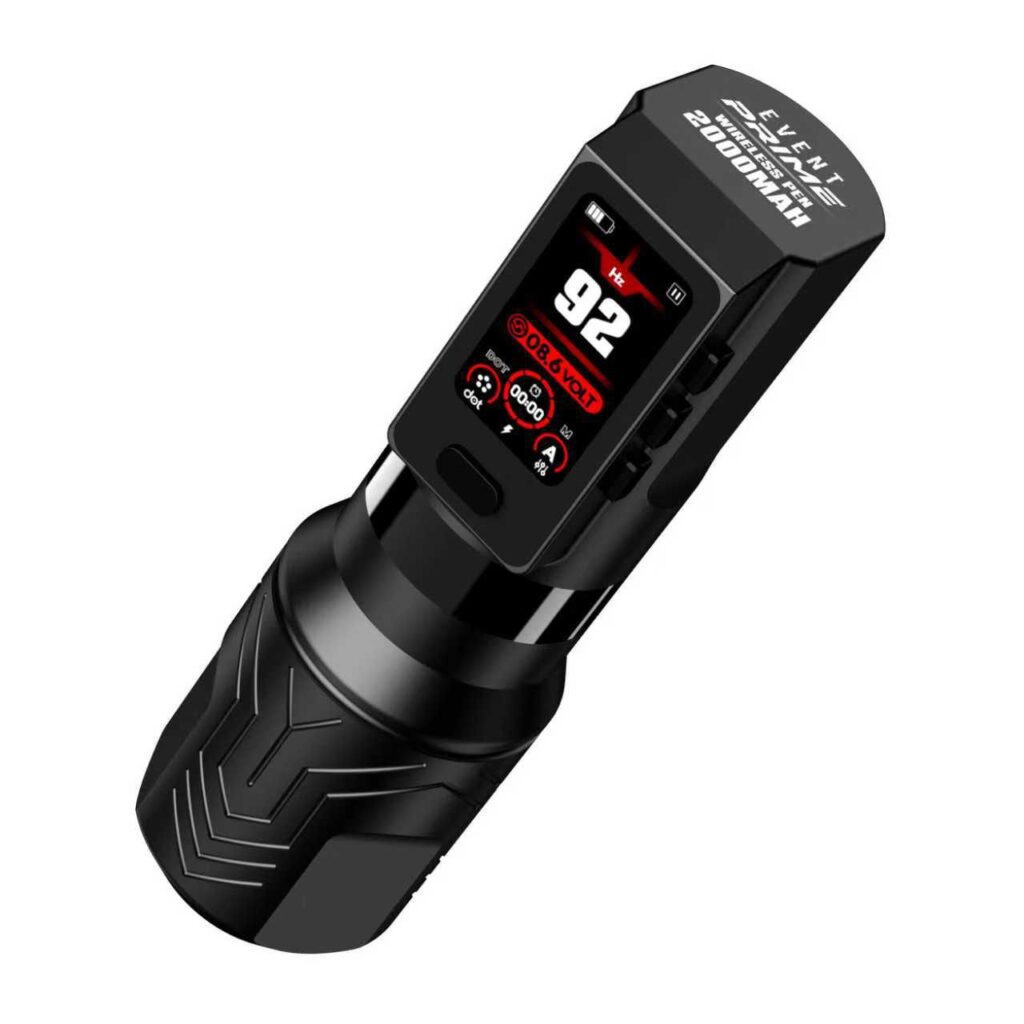
At Event Tattoo, we offer professional-grade tattoo devices including:
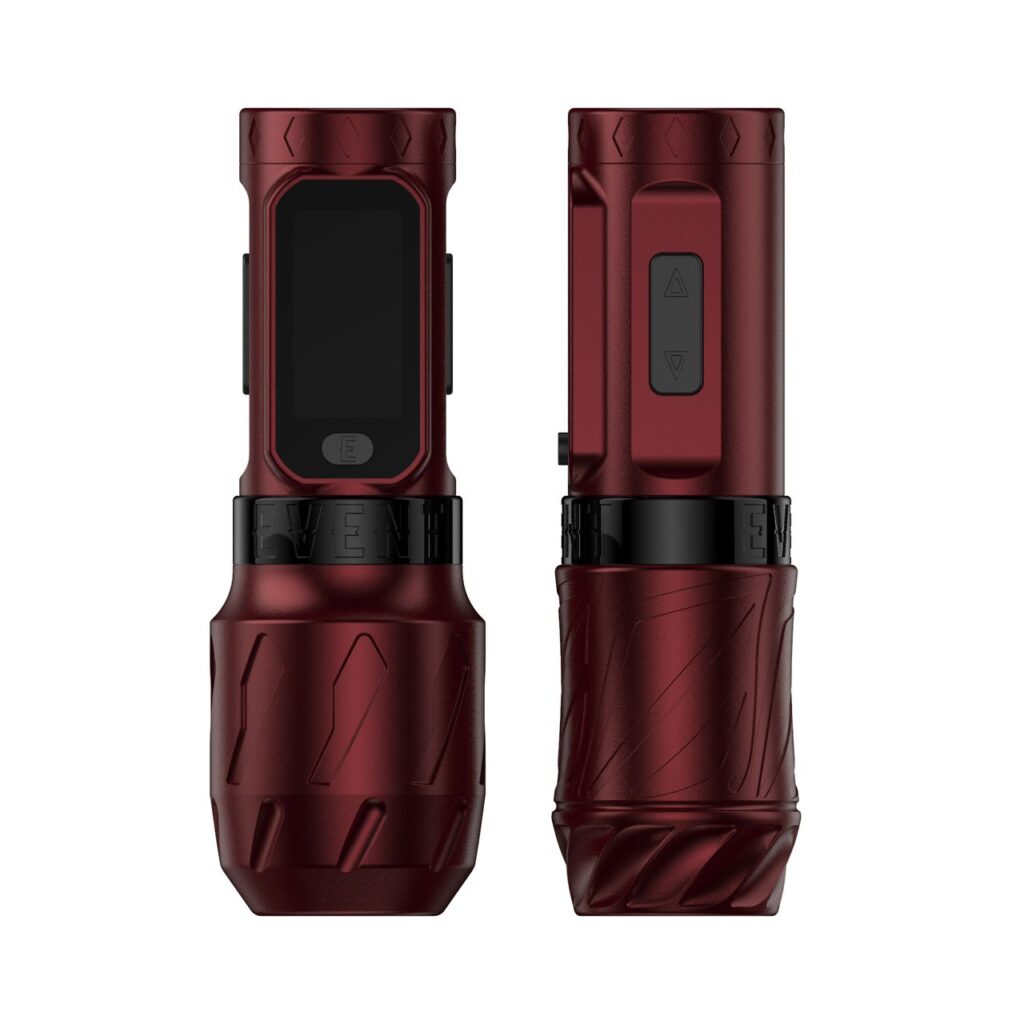
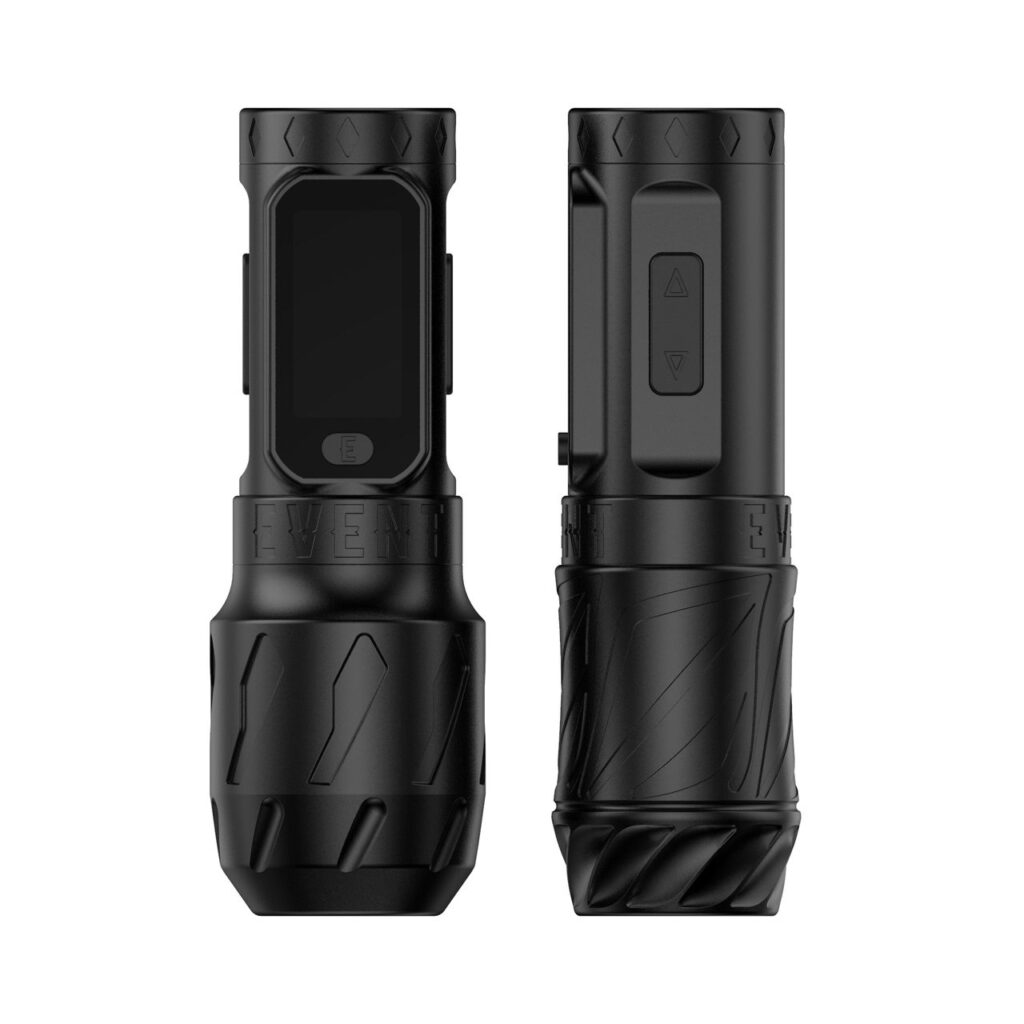
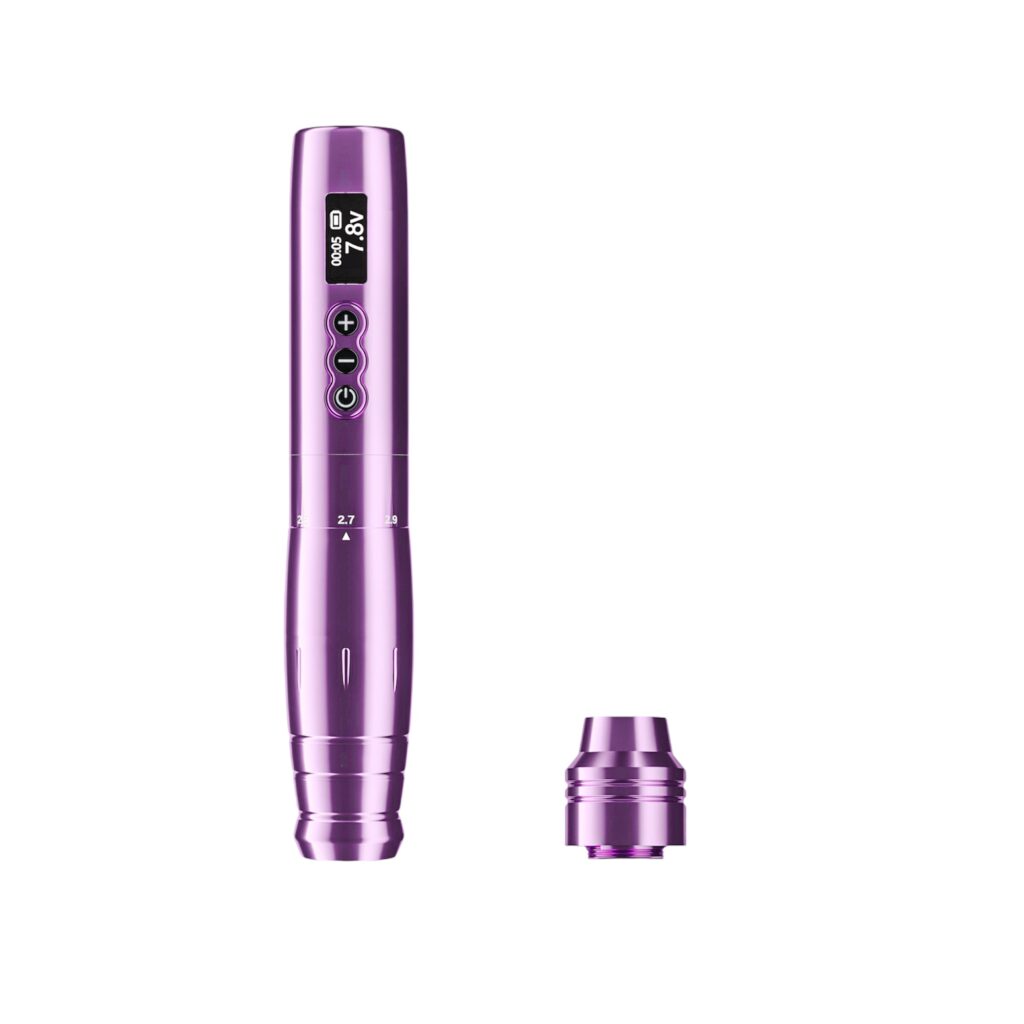
- Rotary tattoo pens
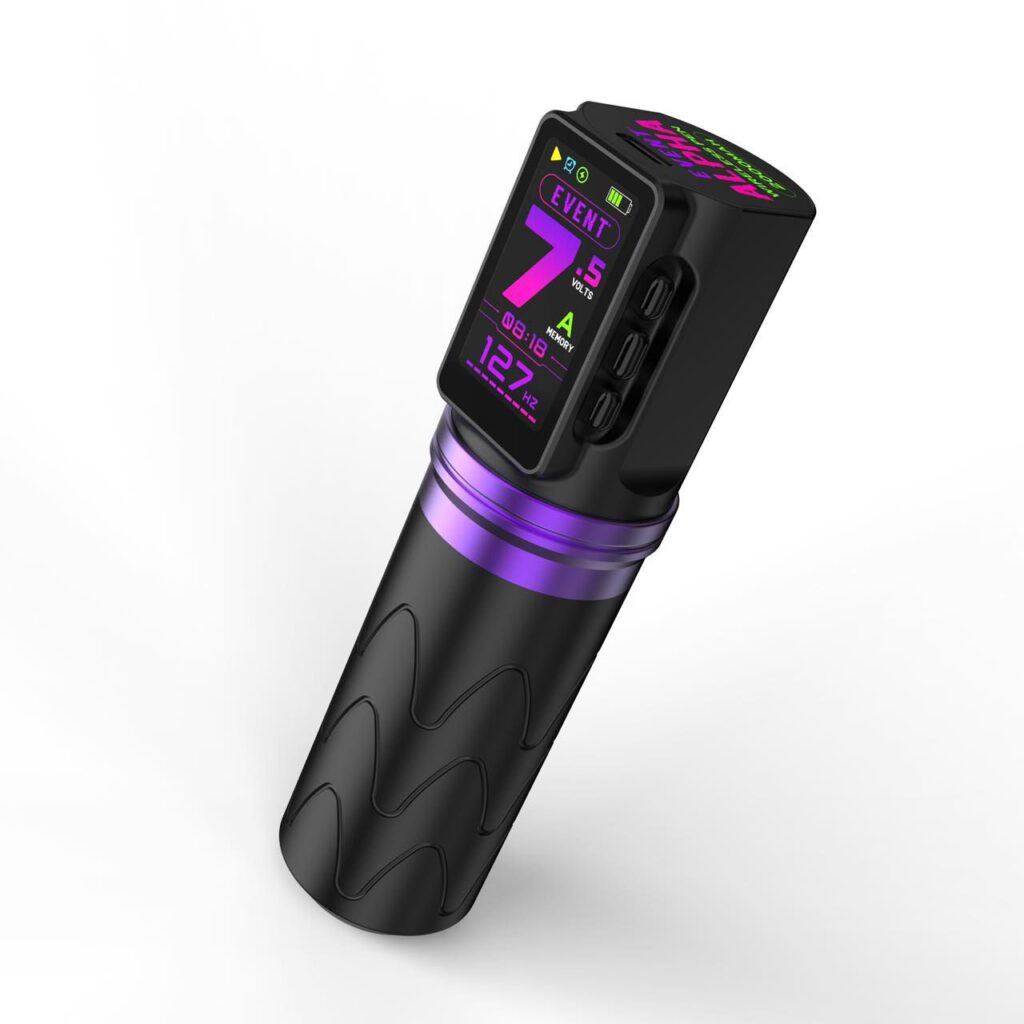
- Wireless tattoo machines
- Professional thermal stencil printers
Our devices are designed for artists who care about portability, consistency, and long-term value—especially for conventions, events, and mobile setups.
All Types of Printers Used (or Attempted) for Tattoo Stencils
1. Thermal Tattoo Stencil Printers (Industry Standard)
Most Used Today
Why They Dominate:
- Designed specifically for tattoo transfer paper
- No ink required
- Fast and consistent
- Portable and reliable
Who Uses Them:
- Studio professionals
- Convention artists
- Mobile tattoo artists
- Event-based tattoo businesses
Pros:
- Clean stencil output
- Low maintenance
- Lightweight
- Ideal for travel
Cons:
- Requires specific thermal paper
- Slight upfront investment
Should You Get One?
Yes. This is the professional standard.
2. Inkjet Printers (Modified Use)
Some artists experiment with inkjet printers using special stencil ink.
Why They’re Used:
- Artists already own them
- Accessible and common
Problems:
- Ink smudging
- Inconsistent stencil transfer
- Requires special inks and coatings
Who Uses Them:
- Hobbyists
- DIY artists
- Temporary setups
Professional Verdict:
Not recommended for long-term professional use.
3. Laser Printers
Laser printers use toner and heat fusion.
Why They’re Rarely Used:
- Toner doesn’t bond properly to stencil transfer paper
- Risk of overheating stencil sheets
- Inconsistent stencil clarity
Professional Use:
Very uncommon in serious tattoo studios.
4. Manual Carbon Transfer (Old Method)
Before digital printers, artists traced designs manually using carbon sheets.
When It Was Most Used:
- Pre-digital era
- 1980s–early 2000s
Pros:
- No machine required
- Full artistic control
Cons:
- Time-consuming
- Inconsistent line weight
- Slower workflow
Today, it’s rarely used except for traditional workflows.
Why Thermal Printers Are Essential for Event Tattooing
If you work:
- Tattoo conventions
- Guest spots
- Pop-ups
- Brand activations
You need speed and portability.
Modern thermal stencil printers are:
- Compact
- Often wireless
- Lightweight
- Quick to operate
They eliminate tracing time and allow you to prepare multiple stencils efficiently.
For event-based artists, a thermal printer is no longer optional—it’s a productivity tool.
Professional Recommendation
If you are serious about:
- Efficiency
- Clean stencil transfers
- Modern workflow
- Mobile or event tattooing
You should invest in a dedicated thermal tattoo stencil printer.
Pairing it with a high-quality rotary tattoo pen creates a fully modern, portable tattoo setup.
At Event Tattoo, our wireless tattoo devices and professional stencil printers are built specifically for artists who want clean setups, reliable performance, and real long-term value.
Summary
The printer used for tattoo stencils is a thermal stencil printer.
It works by applying heat to special transfer paper, producing clean, skin-ready stencil outlines without ink.
While inkjet, laser, and manual methods exist, they are not professional standards. Thermal printers dominate the modern tattoo industry because they are:
- Faster
- Cleaner
- More reliable
- Better suited for events and mobile setups
If you want to future-proof your workflow, investing in a professional thermal stencil printer is the correct move.

Are Rotary Tattoo Machines Better?
Introduction One of the most frequently asked questions in the tattoo industry today is: Are rotary tattoo machines better? Whether you’re a…

Are Rotary Tattoo Machines Good?
The short answer is yes — rotary tattoo machines are highly versatile, precise, and user-friendly, making them a preferred choice…

How Does a Rotary Tattoo Pen Work?
A Comprehensive Professional Guide for Tattoo Artists Tattooing has undergone a major evolution in the last century. From traditional coil machines…
what kind of printer is used for tattoo stencils
Quick Answer The printer used for tattoo stencils is a thermal stencil printer (also called a thermal tattoo transfer printer). It works…

all kinds of tattoo devices explained
A Complete Professional Guide to Tattoo Machines, Their History, Evolution, and Modern Use Tattooing has evolved dramatically over the last century….
Portable Tattoo Machines for Events
A professional friend’s guide to working clean, fast, and stress-free Tattooing at events, conventions, pop-ups, and guest spots is very different…