
A Comprehensive Professional Guide for Tattoo Artists
Tattooing has undergone a major evolution in the last century. From traditional coil machines to modern pen-style devices, each innovation has changed how artists work, improving precision, speed, and comfort. Among these advancements, the rotary tattoo pen has become a cornerstone of professional tattooing due to its smooth operation, ergonomic design, and versatility.
If you’re a tattoo artist serious about your craft, understanding how a rotary tattoo pen works, why it’s preferred, and how to choose one is essential. In this guide, we’ll cover the mechanics, history, types, pros and cons, practical uses, and where to get high-quality devices, with charts and illustrations to make the information visually clear.
Quick Answer
A rotary tattoo pen works by using a compact electric motor to drive a needle in a smooth, continuous motion. This motion deposits ink evenly into the skin while reducing vibration, noise, and hand fatigue compared to traditional coil machines. It supports cartridge needle systems, allowing fast needle swaps, and is highly adjustable for lining, shading, and color packing.
Why Rotary Tattoo Pens Are Popular
Rotary tattoo pens have surged in popularity among modern tattoo artists for several reasons:
- Smooth Operation: Unlike the hammering motion of coil machines, rotary pens offer a steady needle movement, reducing skin trauma.
- Quiet Functioning: No loud coil buzzing, making it ideal for studios and events.
- Ergonomic Design: Pen-shaped, lightweight body reduces wrist and hand fatigue.
- Versatility: Works for fine lines, shading, and color packing.
- Cartridge Compatibility: Quick, hygienic needle swaps without disassembly.
They have become the preferred choice for realism, fine line, and modern tattoo styles worldwide.
The Mechanics: How a Rotary Tattoo Pen Works
Understanding the mechanics helps artists optimize their technique:
1. Electric Motor Drives the Needle
At the core of a rotary tattoo pen is a compact motor. Unlike coil machines, which rely on electromagnetic pulses to hammer the needle, rotary pens use rotational motion.
- The motor rotates a small cam or crankshaft.
- The cam converts circular motion into linear motion.
- This drives the needle smoothly up and down.
2. Smooth Linear Motion
The needle moves consistently at high speed, allowing precise ink deposition. This reduces blowouts (excess ink spreading under the skin) and enables cleaner lines.
3. Adjustable Needle Depth and Voltage
Rotary tattoo pens allow control over:
- Needle depth – critical for consistent penetration.
- Voltage or speed – adjusts needle pace for different techniques:
- Lining: slower, precise motion
- Shading: faster, smoother strokes
- Color packing: high speed for solid saturation
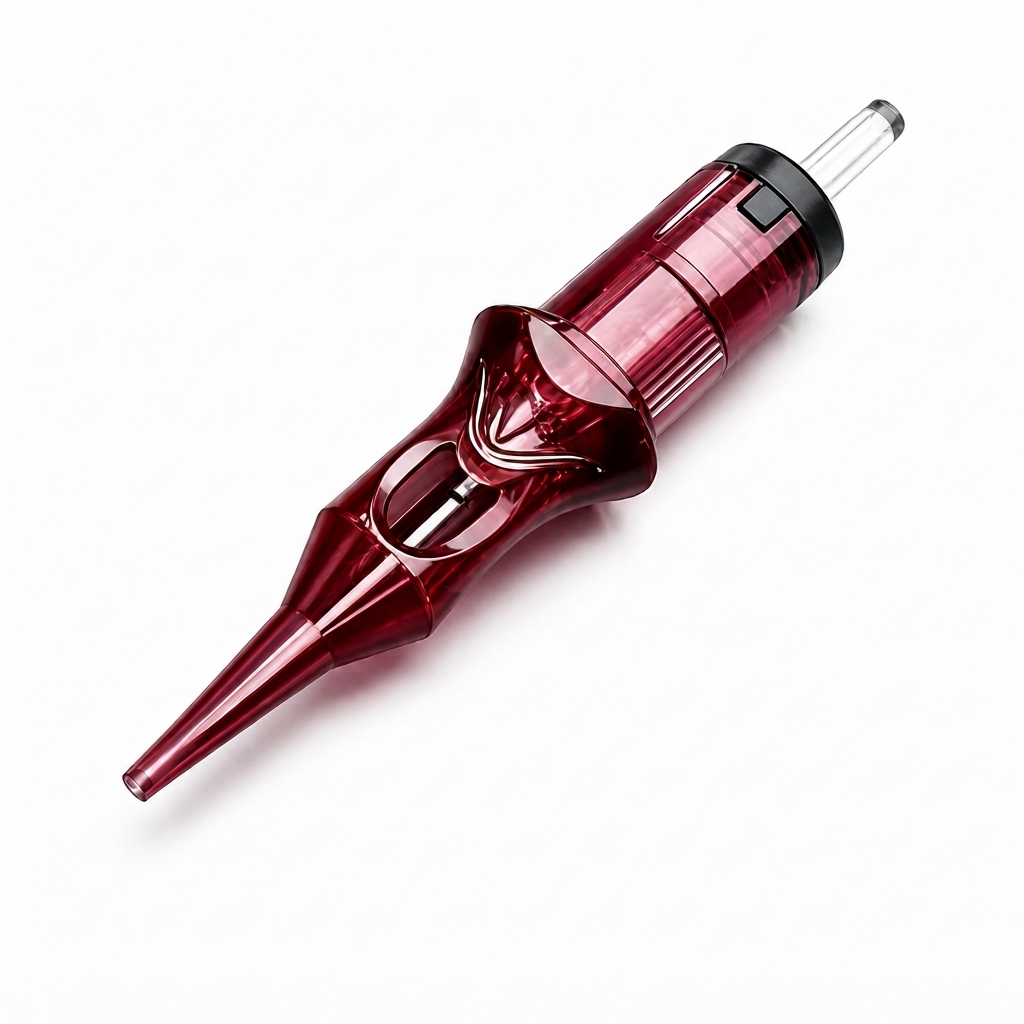
4. Cartridge Needle System
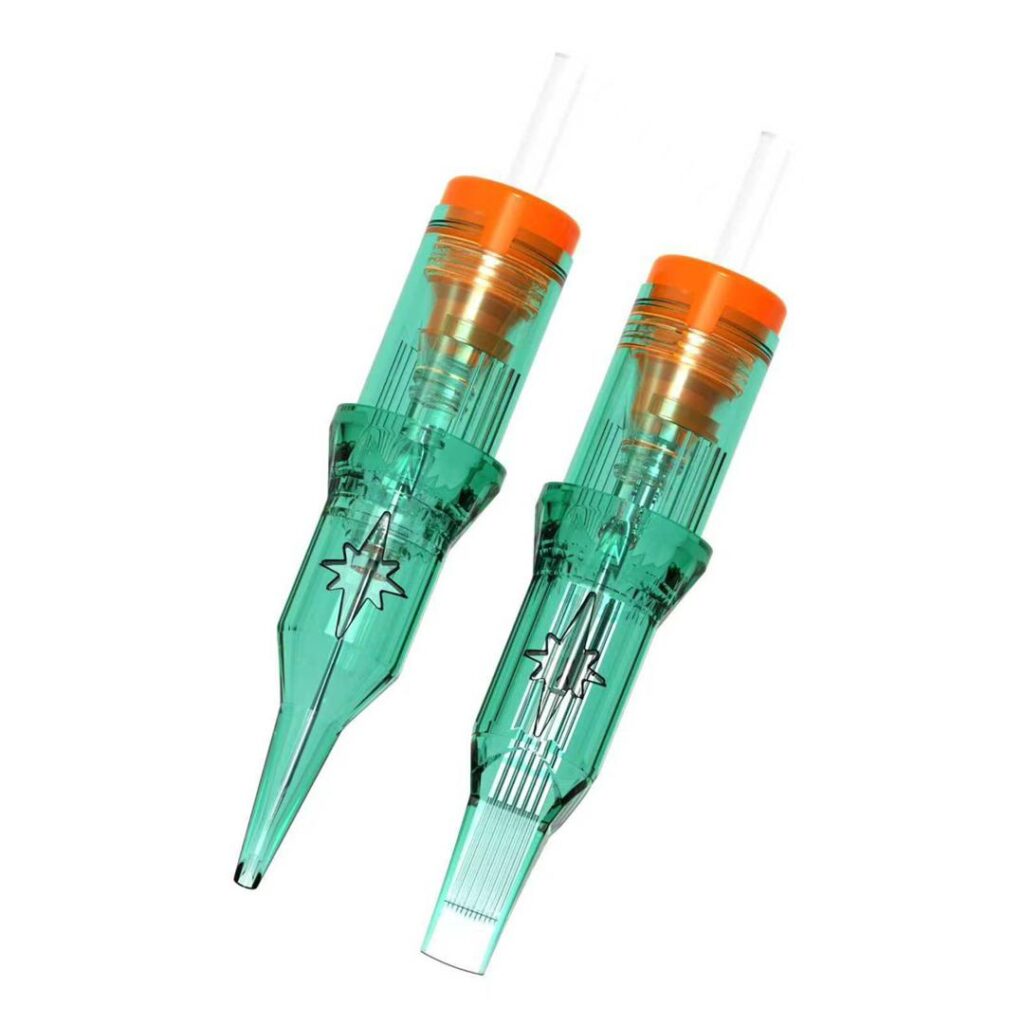
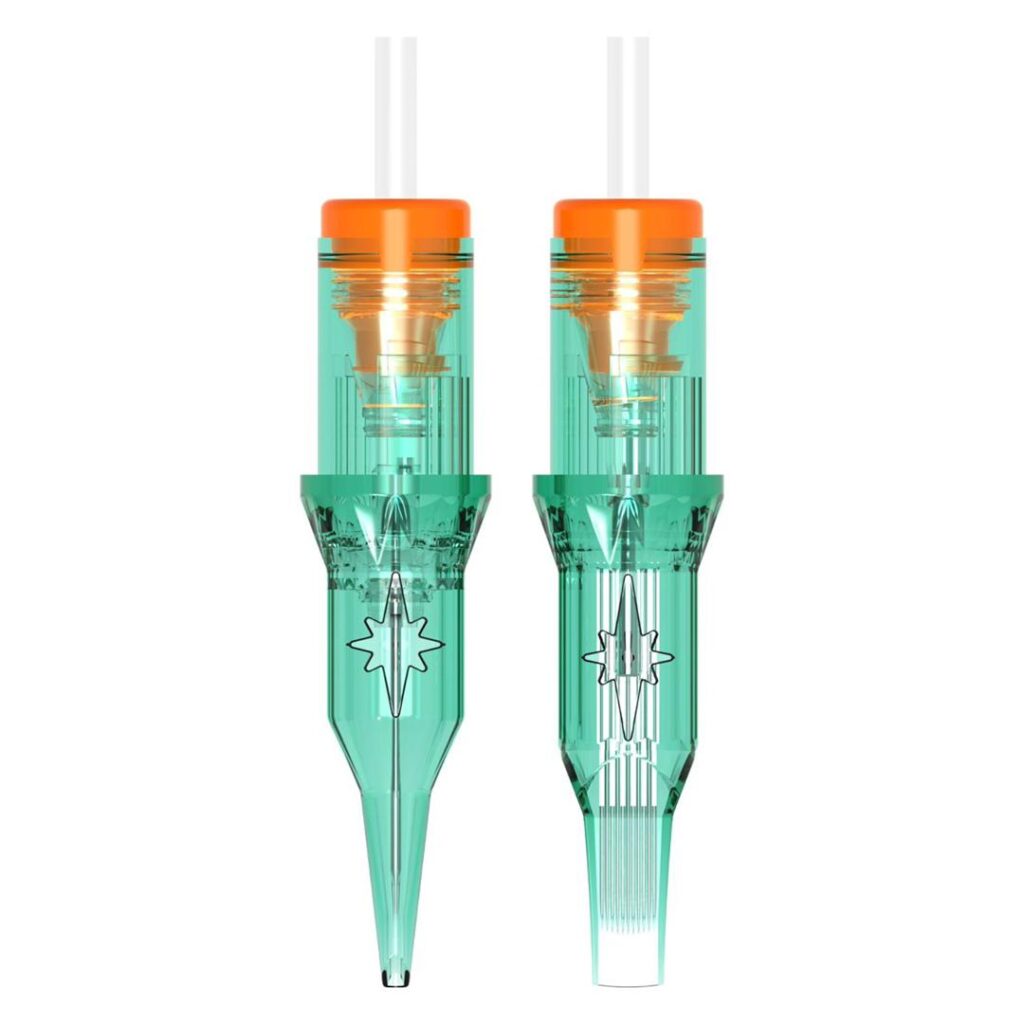
Modern rotary pens use pre-sterilized cartridge needles. Benefits include:
- Hygienic single-use tips
- Rapid swapping between sessions
- Compatibility with multiple needle configurations (liners, shaders, mags)
5. Ergonomic Design for Comfort
Rotary pens mimic a traditional writing pen, offering:
- Balanced weight distribution
- Lightweight body (often 50–80 grams)
- Reduced fatigue during long sessions
- More precise control for intricate designs
Illustrated Mechanism of a Rotary Tattoo Pen
[Motor] –> [Cam/Crankshaft] –> [Needle Movement Up/Down] –> [Ink Deposition]This simple flow demonstrates how rotation converts into smooth linear motion.
History of Rotary Tattoo Machines
Early Evolution
- 1970s: Initial rotary tattoo machines introduced.
- 1980s–1990s: Rotary devices experimented with, but coil machines remained dominant.
- 2000s: Motor technology improved, producing smooth, reliable rotary machines.
- 2010s: Pen-style rotary machines with cartridge systems emerged.
Key Advantages Over Coil Machines
- Reduced vibration
- Quieter operation
- Ergonomic pen shape
- Easier for long sessions
Modern Era
- Wireless battery-powered versions appear
- Compatible with conventions, events, and travel setups
- Popular among realism, black-and-grey, and fine-line tattoo artists
Types of Rotary Tattoo Pens
Rotary tattoo pens vary in design, purpose, and usability:
| Type | Power Source | Use Case | Pros | Cons |
|---|---|---|---|---|
| Standard Wired Rotary Pen | Power supply via cord | Studio work | Stable, high power, consistent | Less portable, cable clutter |
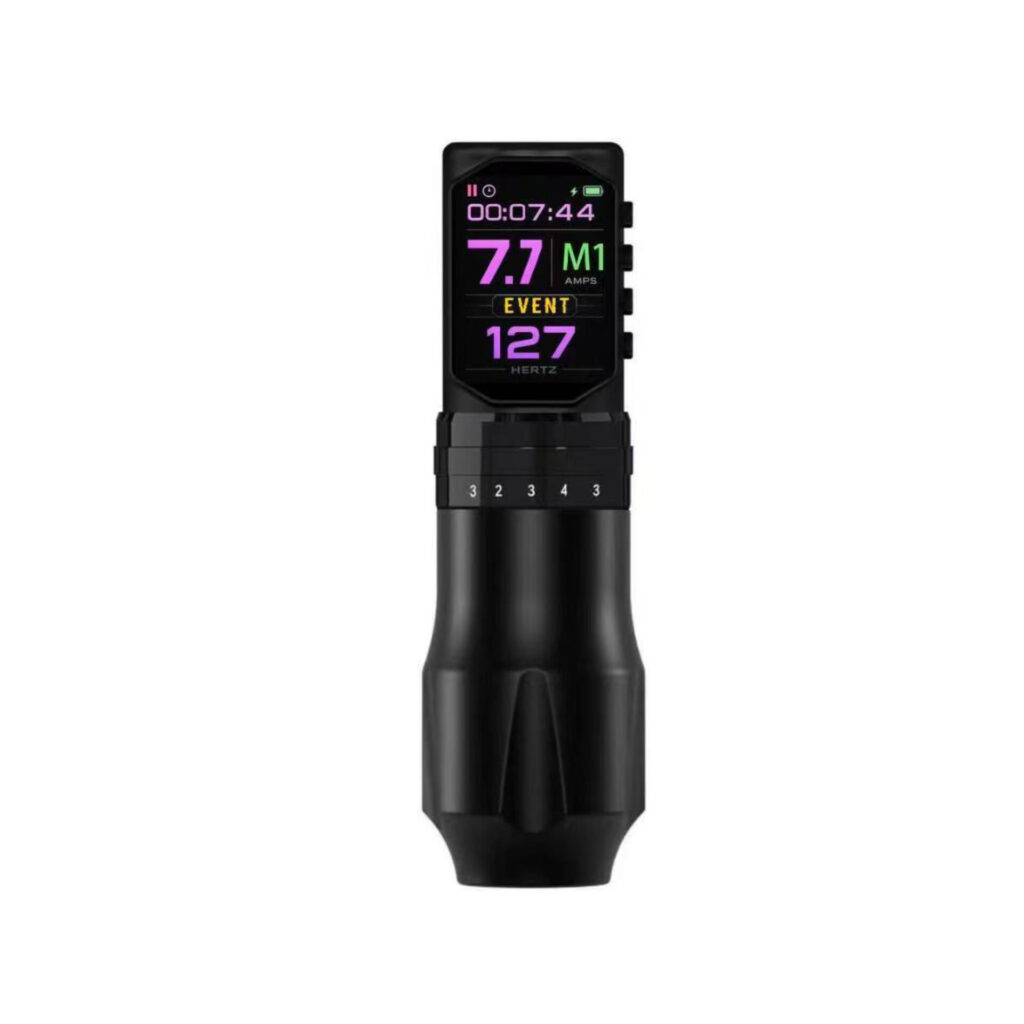
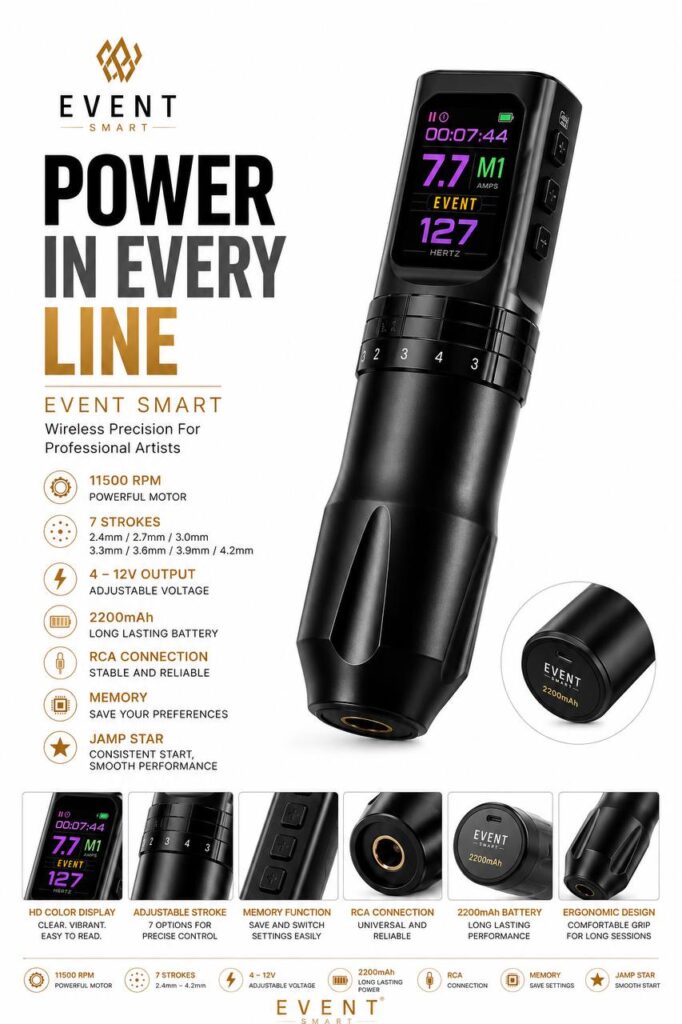
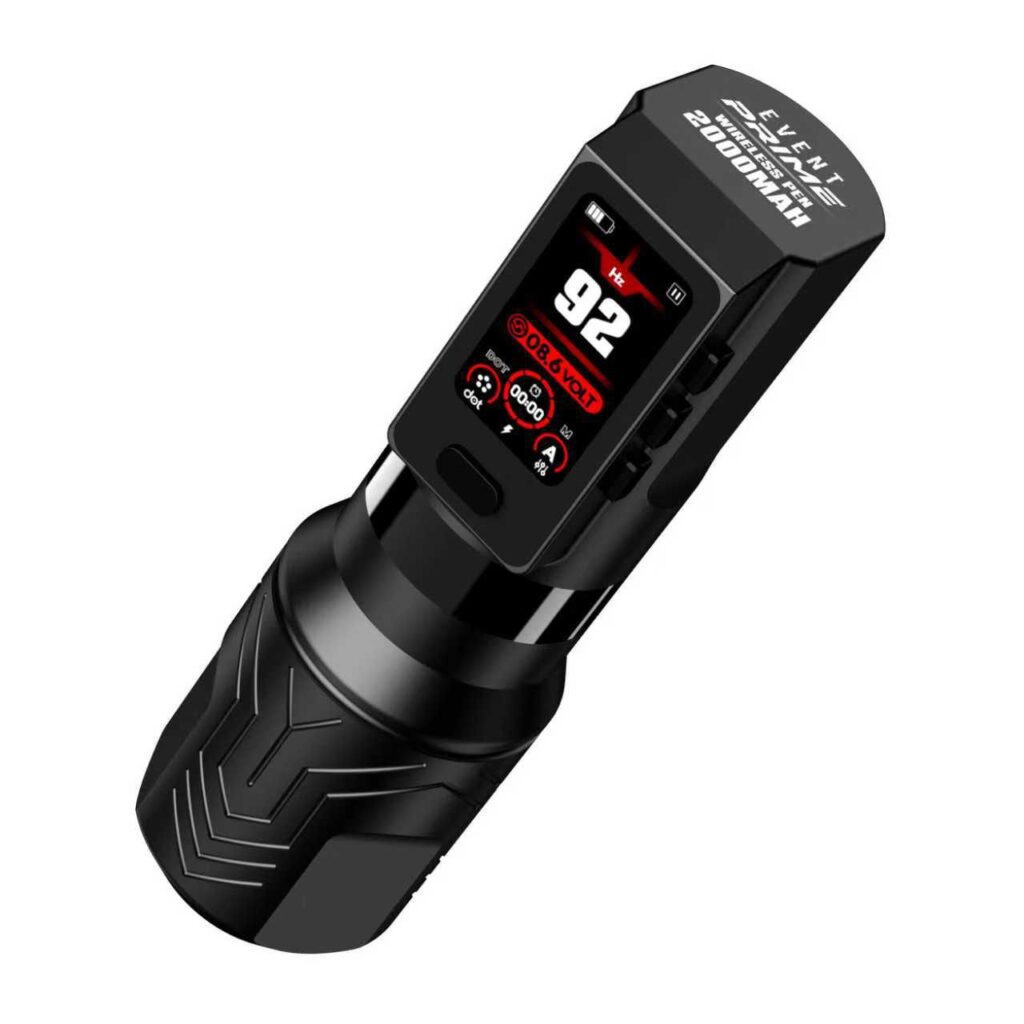
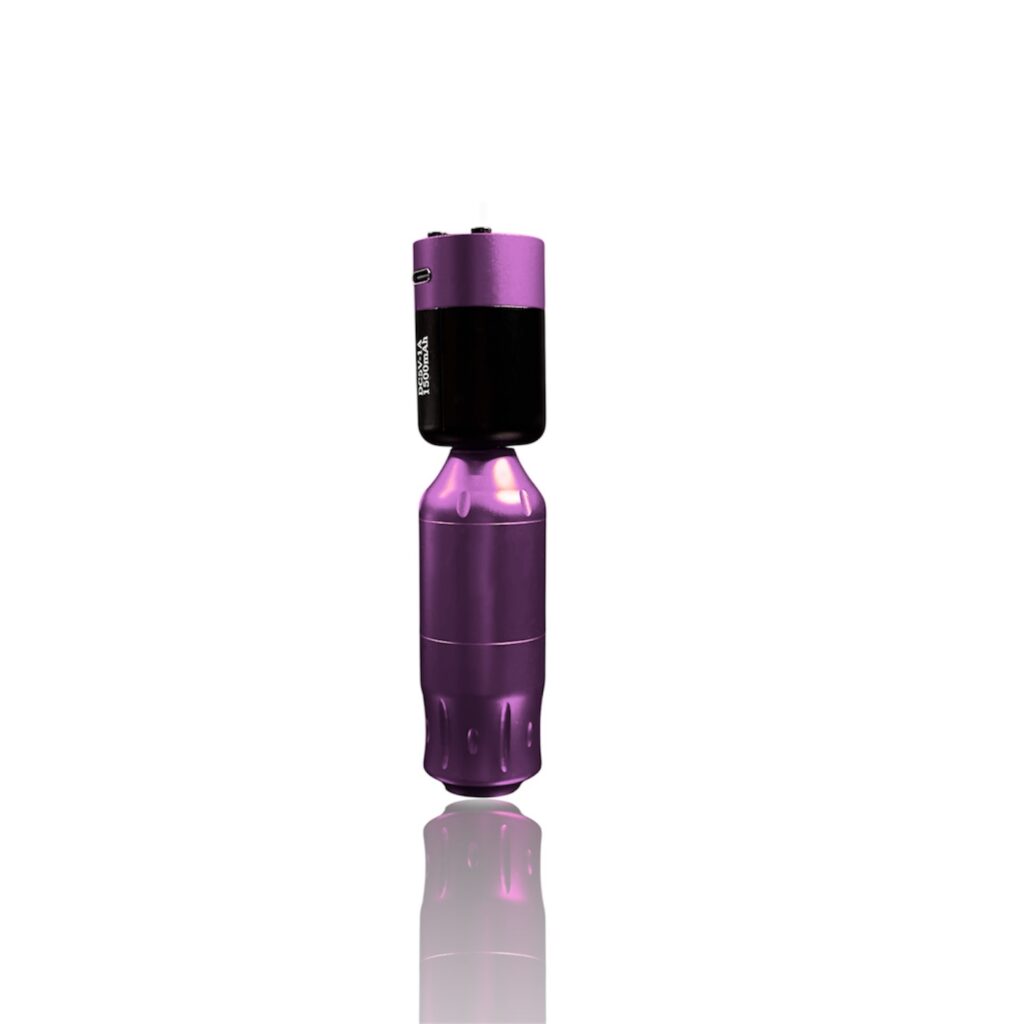
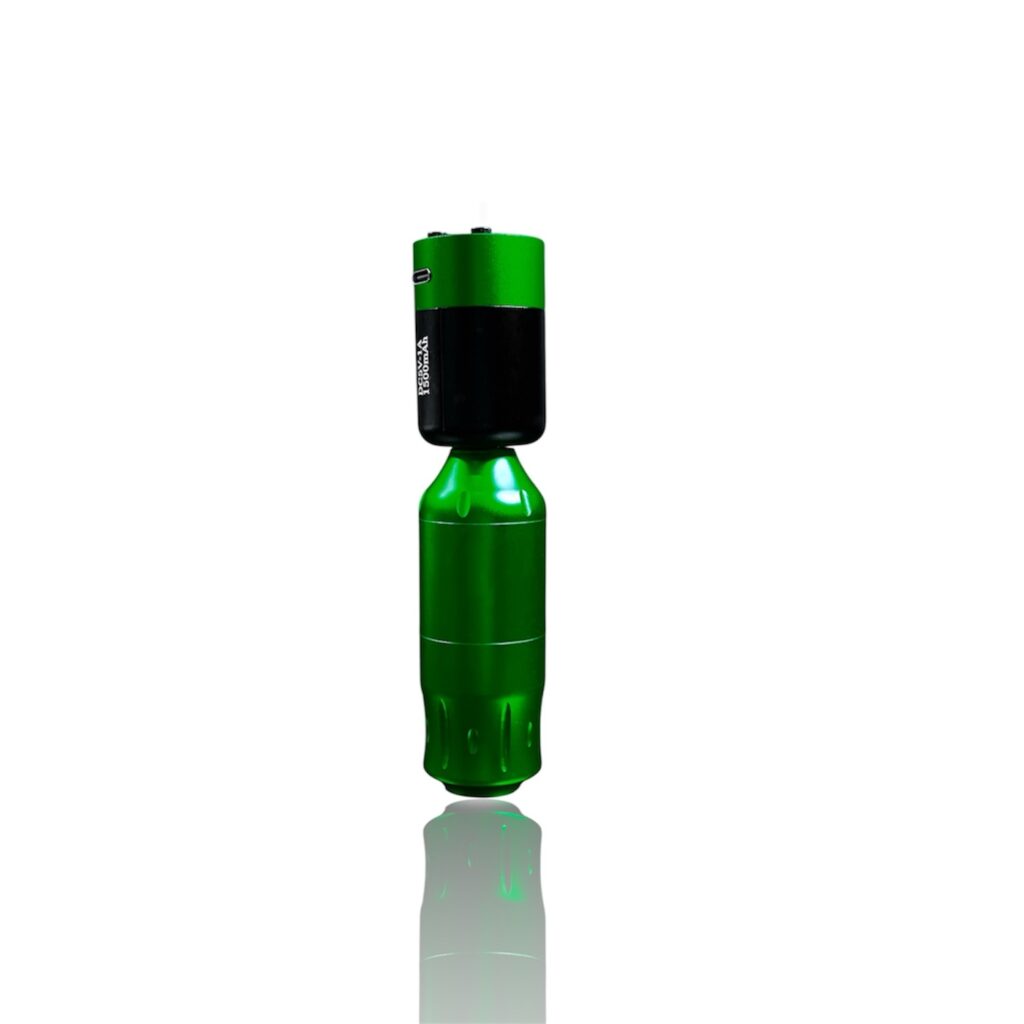
| Wireless Rotary Pen | Rechargeable battery | Events, travel, mobile studios | Portable, clean, fast setup | Battery-dependent, slightly heavier |
| Cartridge Compatible Pen | Wired or wireless | Fine line, shading, color | Hygienic, quick swaps, versatile | Higher cost, cartridge dependency |
| Hybrid Rotary Pen | Adjustable modes | Mixed styles | Flexible, ergonomic | Requires technical knowledge |
Pros and Cons of Rotary Tattoo Pens
Pros
- Smooth, continuous needle motion
- Lightweight and ergonomic
- Quiet operation
- Supports cartridge systems
- Versatile for multiple tattoo styles
- Reduced skin trauma
Cons
- Less “punch” compared to some coil machines (can be adjusted with voltage)
- Higher initial cost than basic coil machines
- Wireless versions require battery management
- Some models less customizable than coil machines
Practical Uses and Techniques
Rotary pens are highly adaptable. Artists use them for:
- Fine Line Tattoos: Smooth motion allows intricate designs without blowouts.
- Realism: Steady needle motion creates gradients and smooth shading.
- Color Packing: Consistent motion saturates color evenly.
- Long Sessions: Ergonomic design reduces fatigue for large pieces.
They are preferred for studio setups, mobile work, and tattoo events due to their portability and simplicity.
Where to Get a Professional Rotary Tattoo Pen
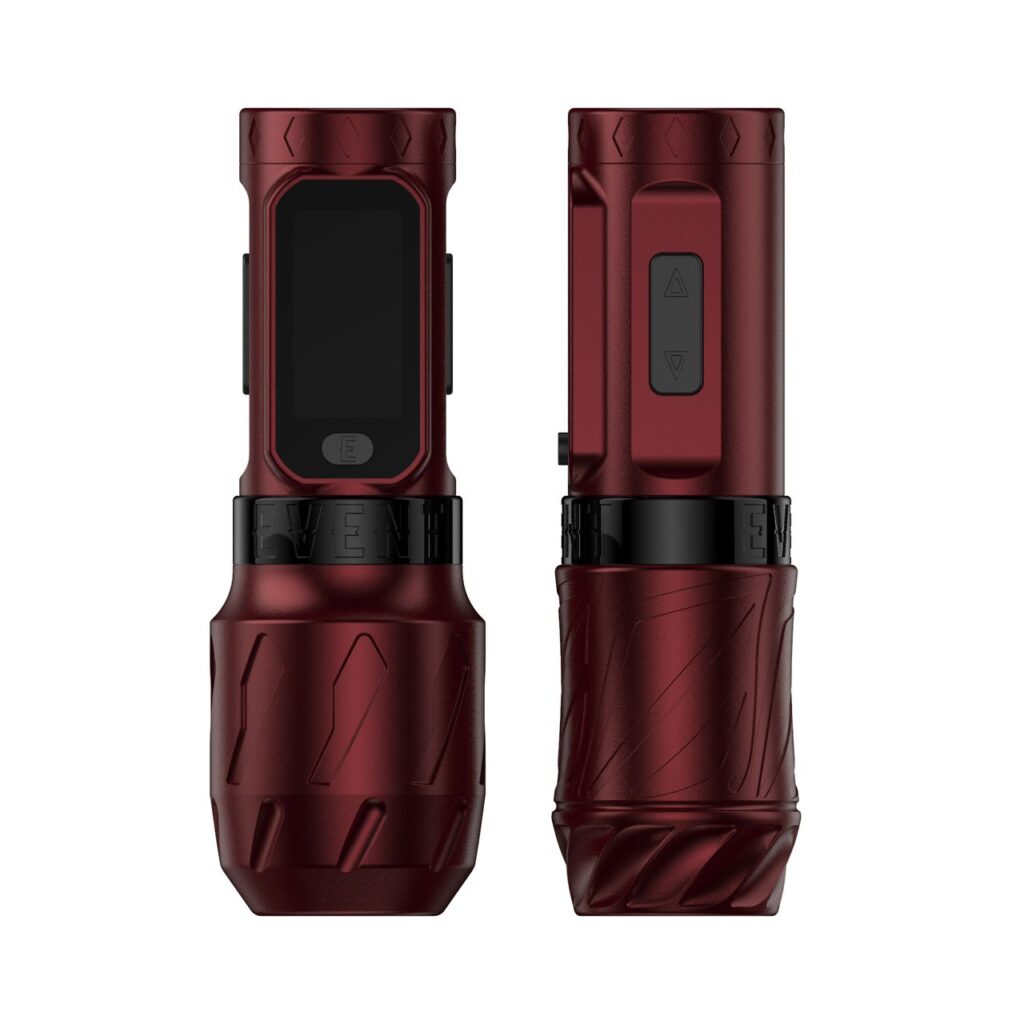
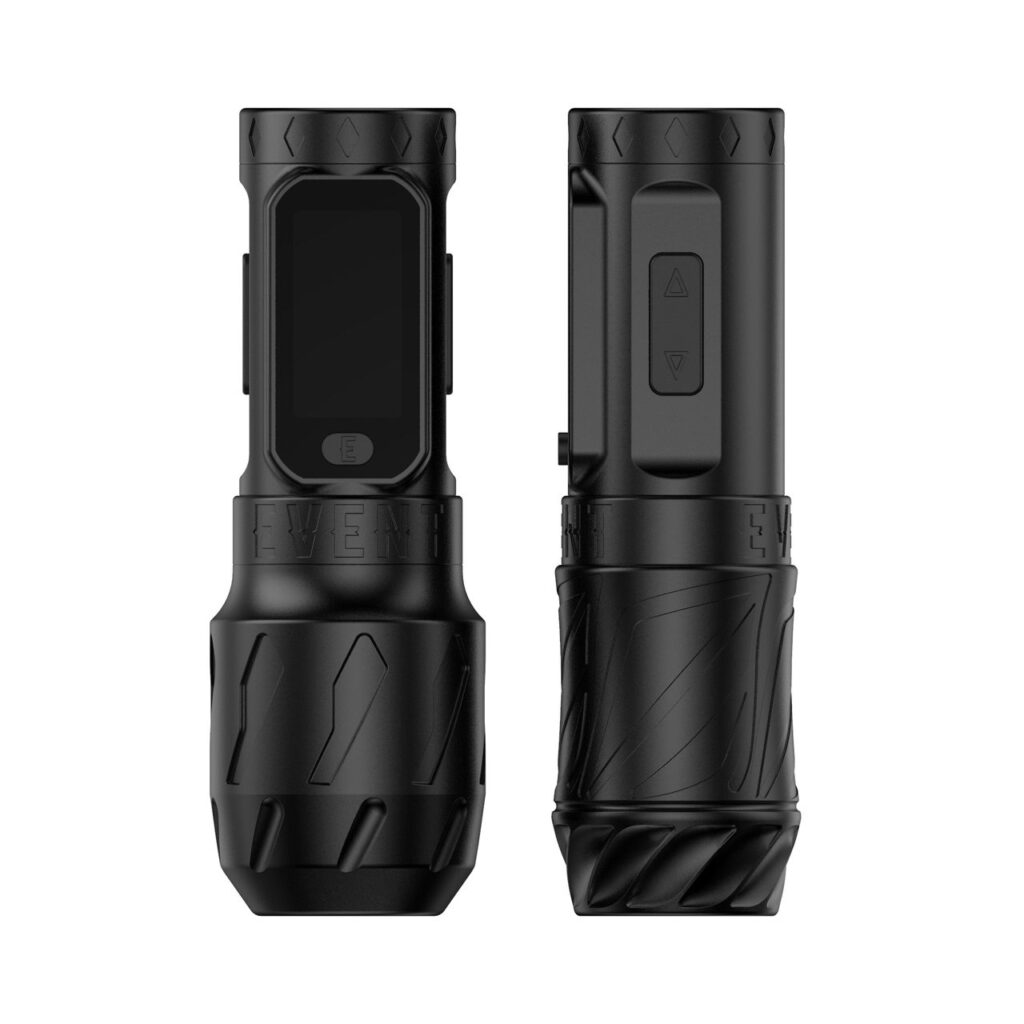
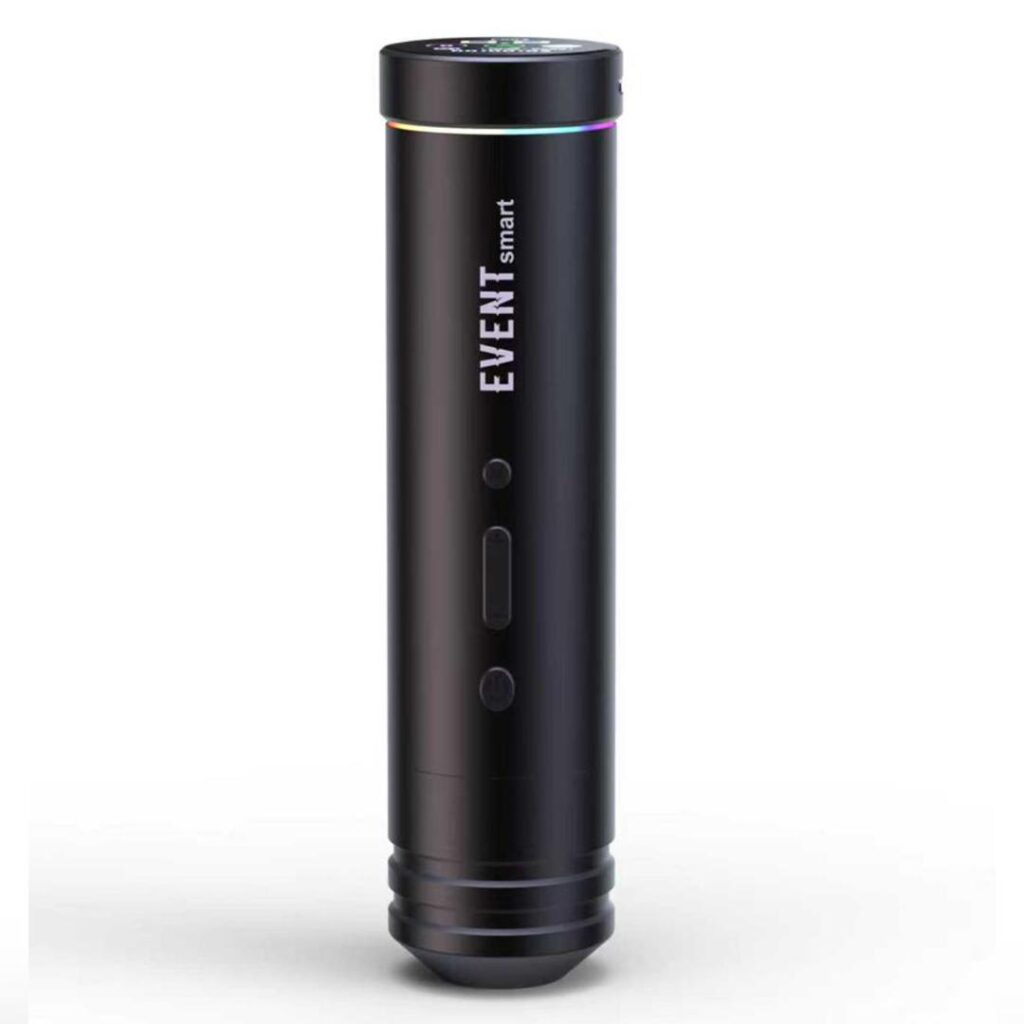
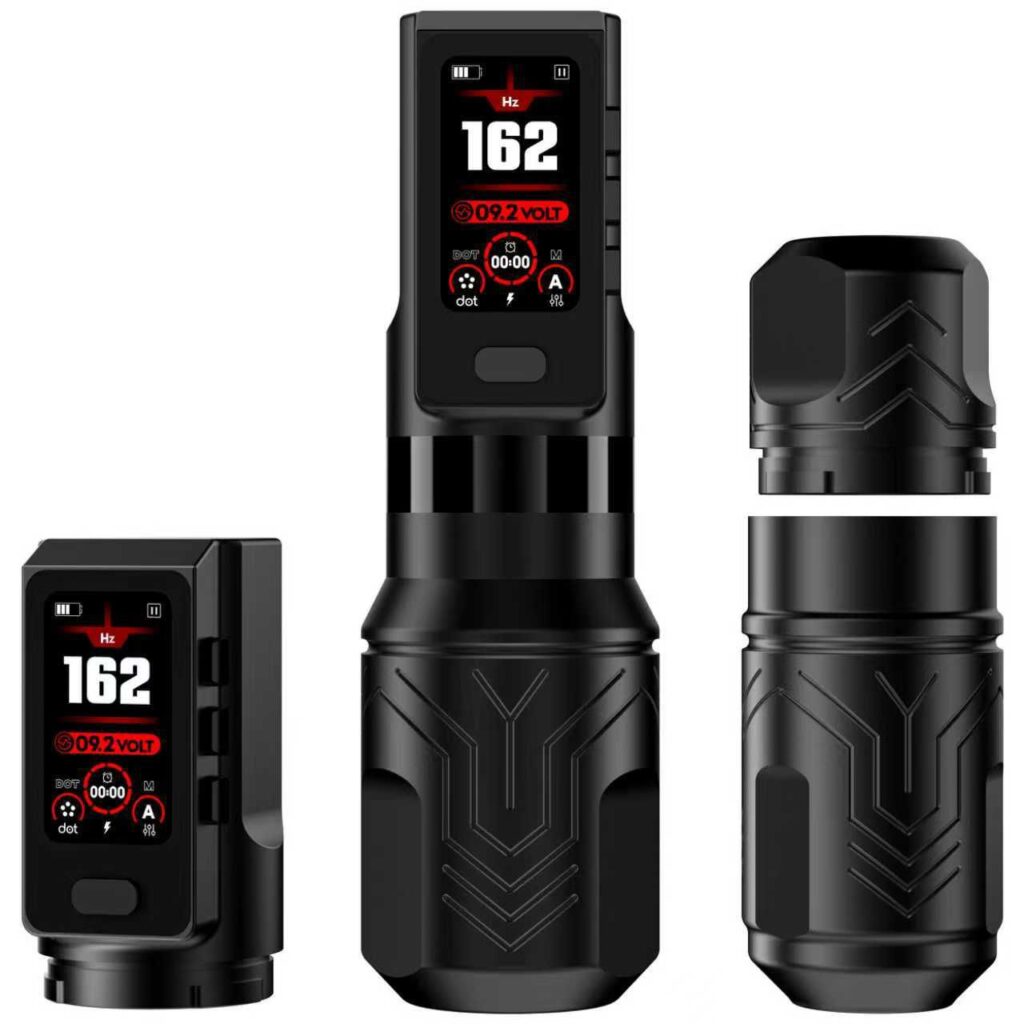
For serious tattoo artists, choosing a reliable brand is critical. Event Tattoo offers a wide variety of rotary tattoo pens, including:
- Entry-level pens for beginners
- Mid-range pens for intermediate artists
- High-end pens for professional studios and event artists
- Wired and wireless options
- Cartridge-compatible models for efficiency and hygiene
All devices are designed for professional performance, durability, and ergonomic comfort, making them perfect for studios, conventions, or mobile tattoo setups.
Rotary Tattoo Pen vs Other Tattoo Devices
| Feature | Rotary Pen | Coil Machine | Wireless Pen | Pneumatic Machine |
|---|---|---|---|---|
| Needle Motion | Smooth, continuous | Hammering | Smooth, continuous | Air-powered linear |
| Noise | Quiet | Loud | Quiet | Medium |
| Weight | Light | Heavy | Medium | Medium |
| Maintenance | Low | High | Low | High |
| Portability | High | Low | High | Medium |
| Best For | Fine line, shading, color | Bold lines, traditional | Events, conventions | Sterile/autoclavable niche |
Summary
Rotary tattoo pens have become the industry standard for modern tattooing because they combine smooth needle motion, ergonomic design, cartridge compatibility, and adaptability across tattoo styles. They are ideal for:
- Studio artists
- Event or convention tattooing
- Long-session tattoos
- Mobile or traveling setups
Compared to coil machines, rotary pens offer a more comfortable, quiet, and precise experience, without sacrificing versatility.
If you are building your tattoo career, investing in a high-quality rotary tattoo pen from Event Tattoo is a smart choice. Our wide range of devices accommodates every artist’s needs, budget, and professional goals, making sure you have reliable, portable, and precise tools at your disposal.

Can You Start a Tattoo Business From Home?
In most places, no — not the way people picture it. Tattooing is regulated as a health-and-safety business almost everywhere,…

How to Start a Tattoo Business (and What to Buy
Starting a tattoo business comes down to seven moves, in this order: decide what kind of studio you’re opening, check…

Can You Tattoo Over a Scar?
Yes — once a scar is fully healed and stable, it can be tattooed. The catch is that scar tissue…

Are Rotary Tattoo Machines Better?
Introduction One of the most frequently asked questions in the tattoo industry today is: Are rotary tattoo machines better? Whether you’re a…

Are Rotary Tattoo Machines Good?
The short answer is yes — rotary tattoo machines are highly versatile, precise, and user-friendly, making them a preferred choice…

How Does a Rotary Tattoo Pen Work?
A Comprehensive Professional Guide for Tattoo Artists Tattooing has undergone a major evolution in the last century. From traditional coil machines…