
In most places, no — not the way people picture it. Tattooing is regulated as a health-and-safety business almost everywhere, and most residential properties don’t meet the standard a shop has to meet. It isn’t automatically banned everywhere, though. Before you plan anything else, there are two separate approvals to check, and both have to say yes.
Is It Legal to Tattoo From Home?
Two different authorities decide this, independently of each other:
- Your state or national health authority — the body that licenses tattooing at all. In many places it requires the work to happen in a licensed, inspected facility, and a private residence either can’t be licensed as one or has to meet the exact same standard as a commercial shop to qualify.
- Your local zoning or planning office — the body that decides what kind of business can run out of a residential address at all. Even where health law doesn’t rule it out, a tattoo business usually falls under “home occupation” rules, which often restrict client visits, signage, or ban the activity outright in residential zones.
A yes from one and not the other still means no. We can’t tell you which way either one goes where you live — it genuinely varies by state, country, and sometimes by city — so the only reliable answer is to call both offices before you commit to anything. Treat the rest of this guide as what to ask about and what to expect, not a substitute for that call.
What Conditions Do You Have to Meet If It’s Allowed?
Where a home studio is permitted, it’s almost always because the space passed the same inspection a commercial shop would. That typically means:
- A sterilization area separated from living space — not the kitchen counter, and often not even the same room as the tattoo station
- Proper ventilation in the work area
- Hand-washing and client access that doesn’t require walking through private living areas — a separate entrance or a clear, direct path is often required
- Sharps and biohazard waste disposal handled the same way a licensed shop would handle it, not household trash
- Surfaces that can actually be disinfected — carpet and porous flooring in the work area are a common inspection failure
This is the point most people underestimate: it’s rarely the tattooing itself that a home studio fails on. It’s the room.
How Do You Get Licensed for a Home Studio?
The process, where it’s possible at all, generally runs in this order:
- Call your state or national health authority and ask directly: is a home-based tattoo studio licensable here, and under what conditions?
- Call your local zoning or planning office and ask whether your residential zone allows a home occupation with client visits, and whether you need a special-use permit or variance
- Get your individual artist licence or registration in order — a compliant room doesn’t replace the artist’s own licensing requirement
- Set up the space to the standard your health authority described, before you schedule an inspection, not after
- Pass the health inspection — this is usually what actually issues the licence, not the application itself
Do the two phone calls before you spend anything. A room that’s already been built out and then fails zoning or health review is a much more expensive mistake than an hour on the phone.
What Equipment Do You Need for a Home Setup?
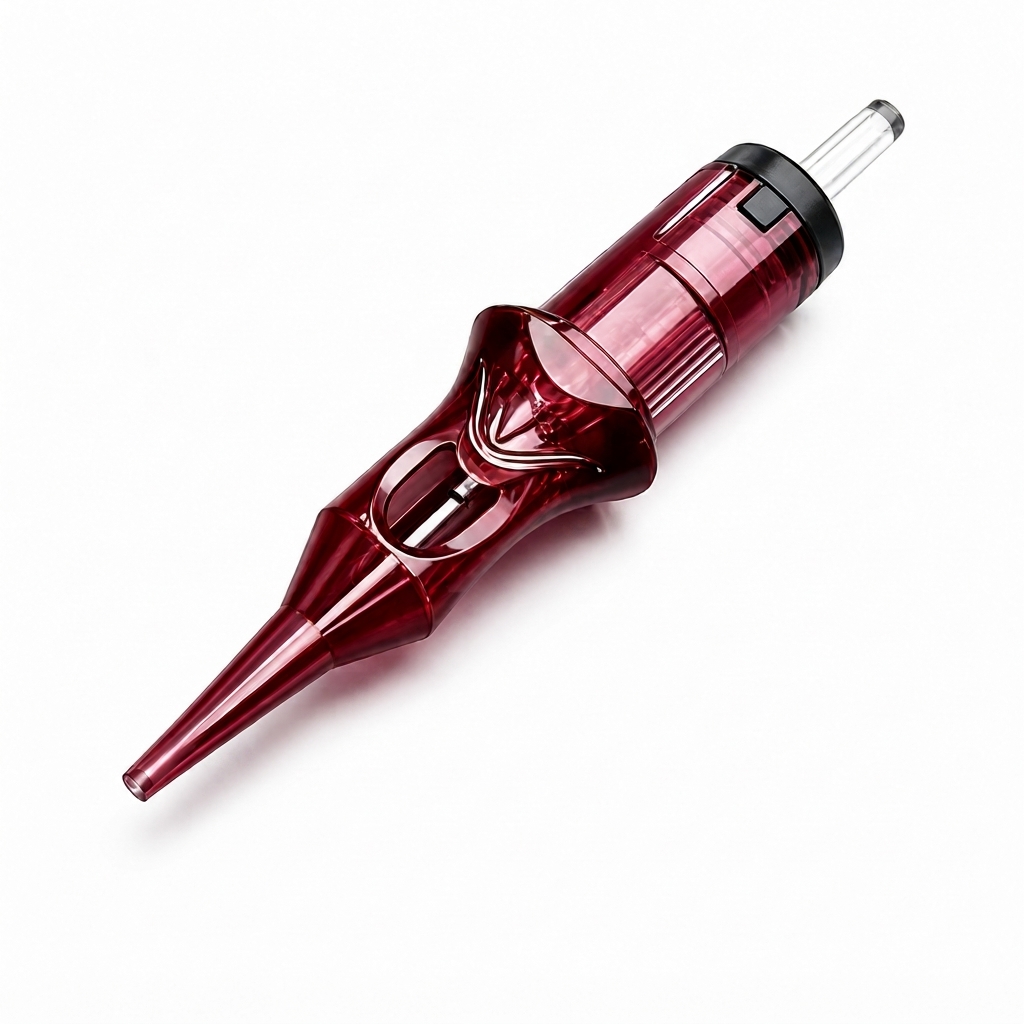
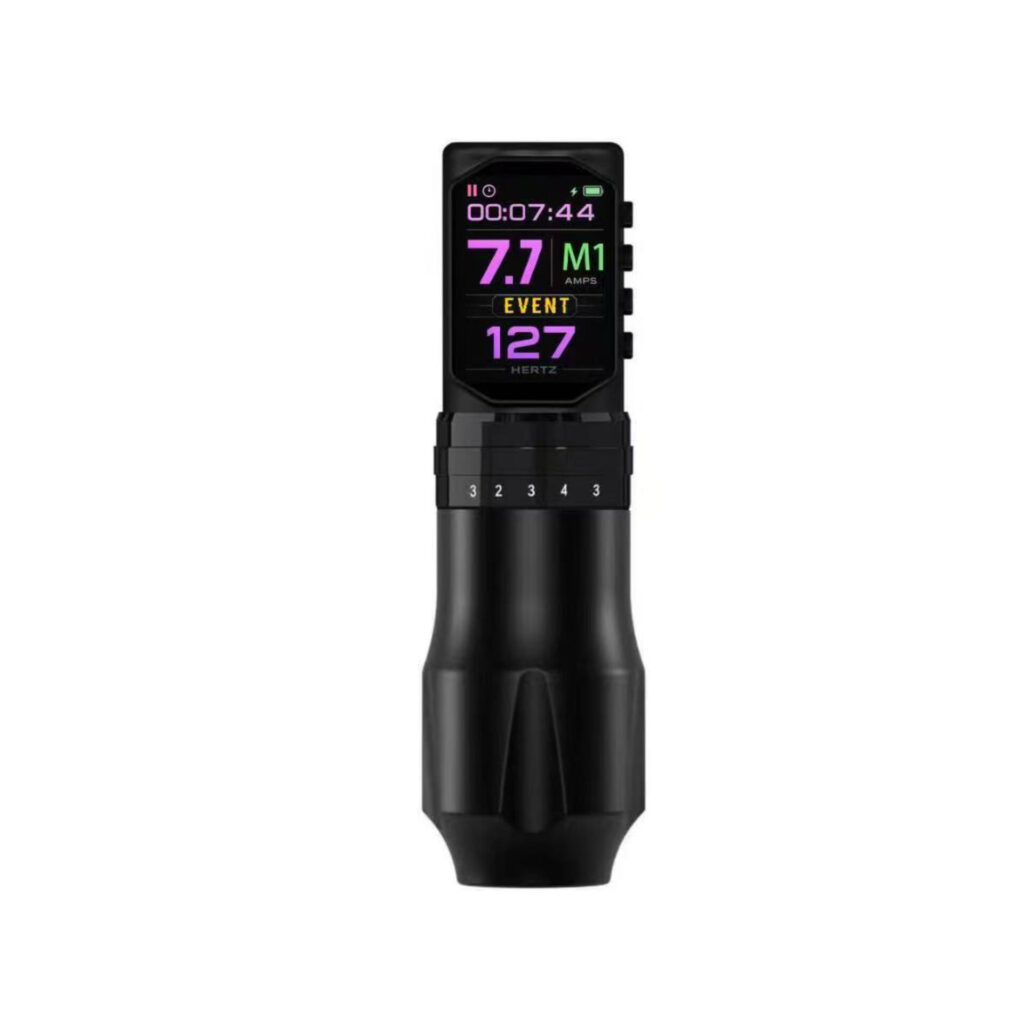
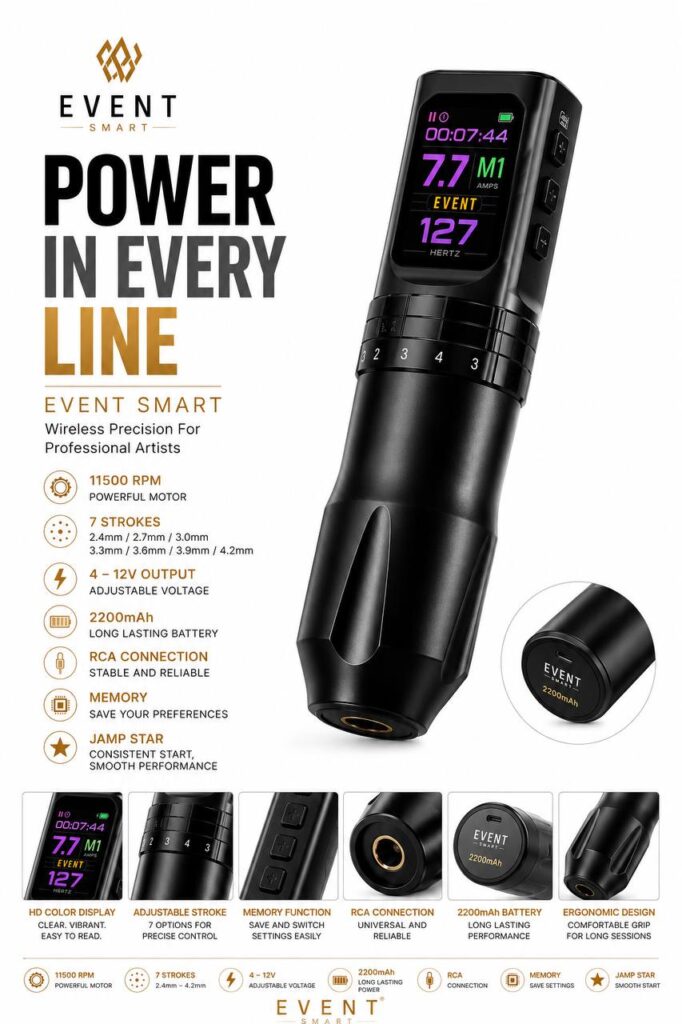
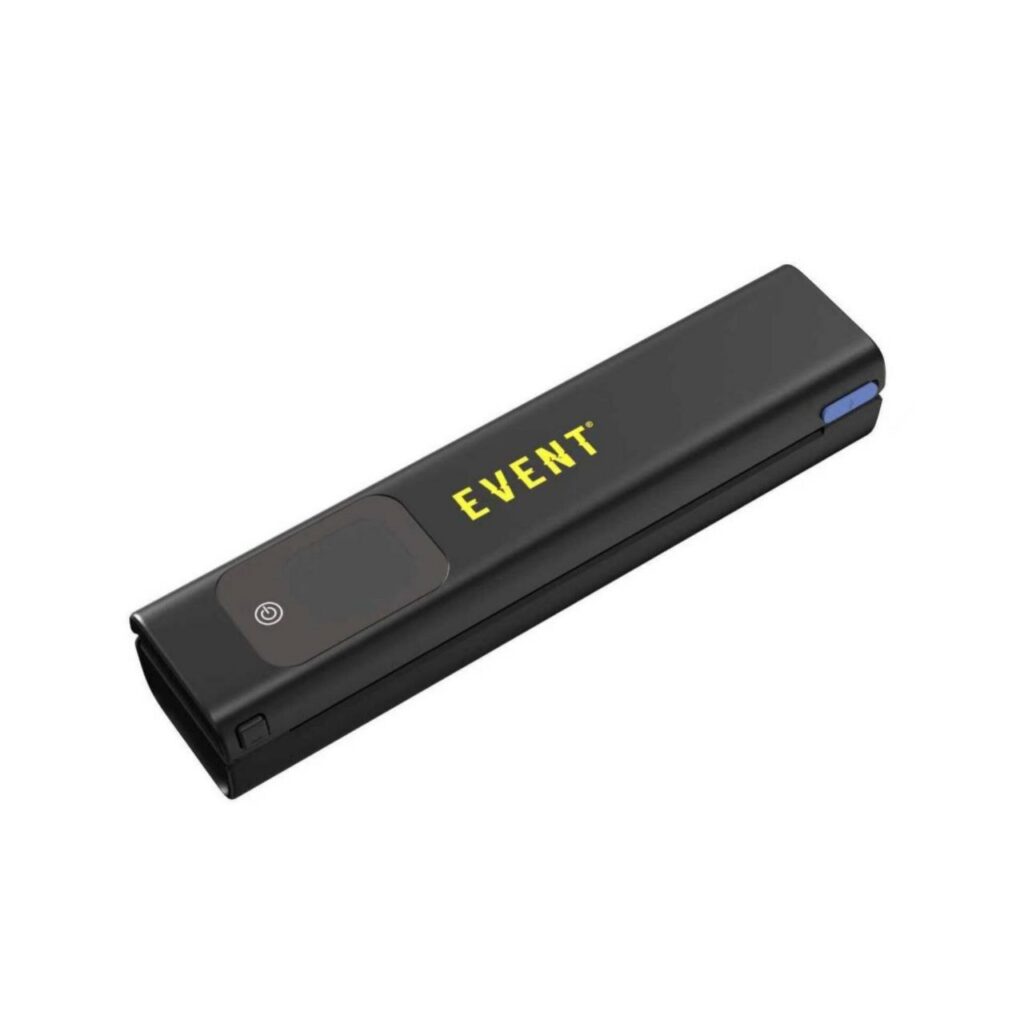
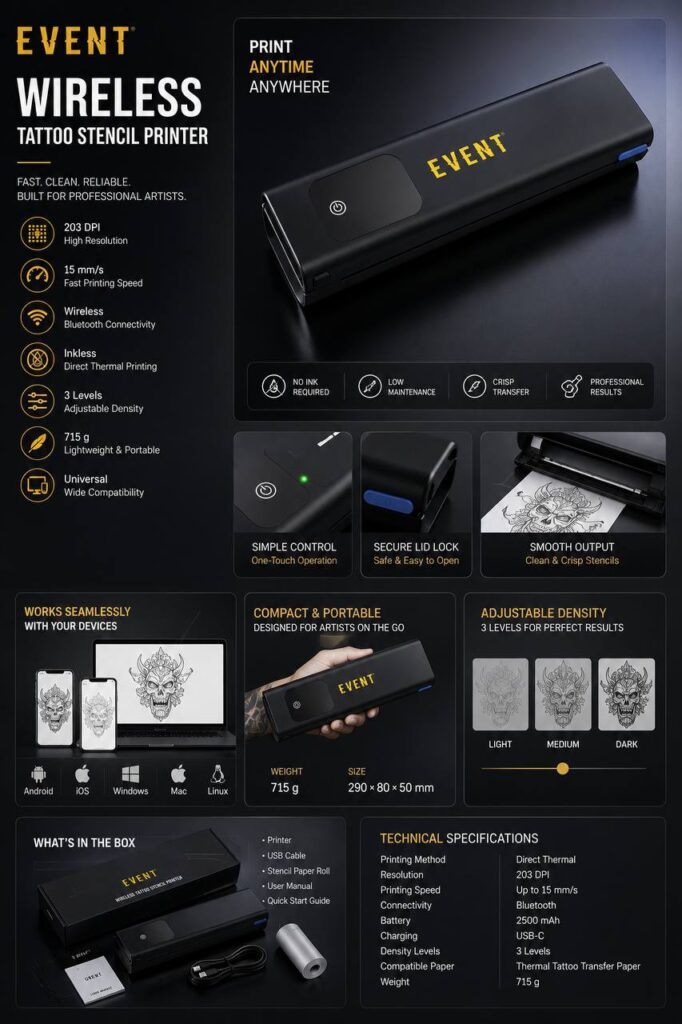
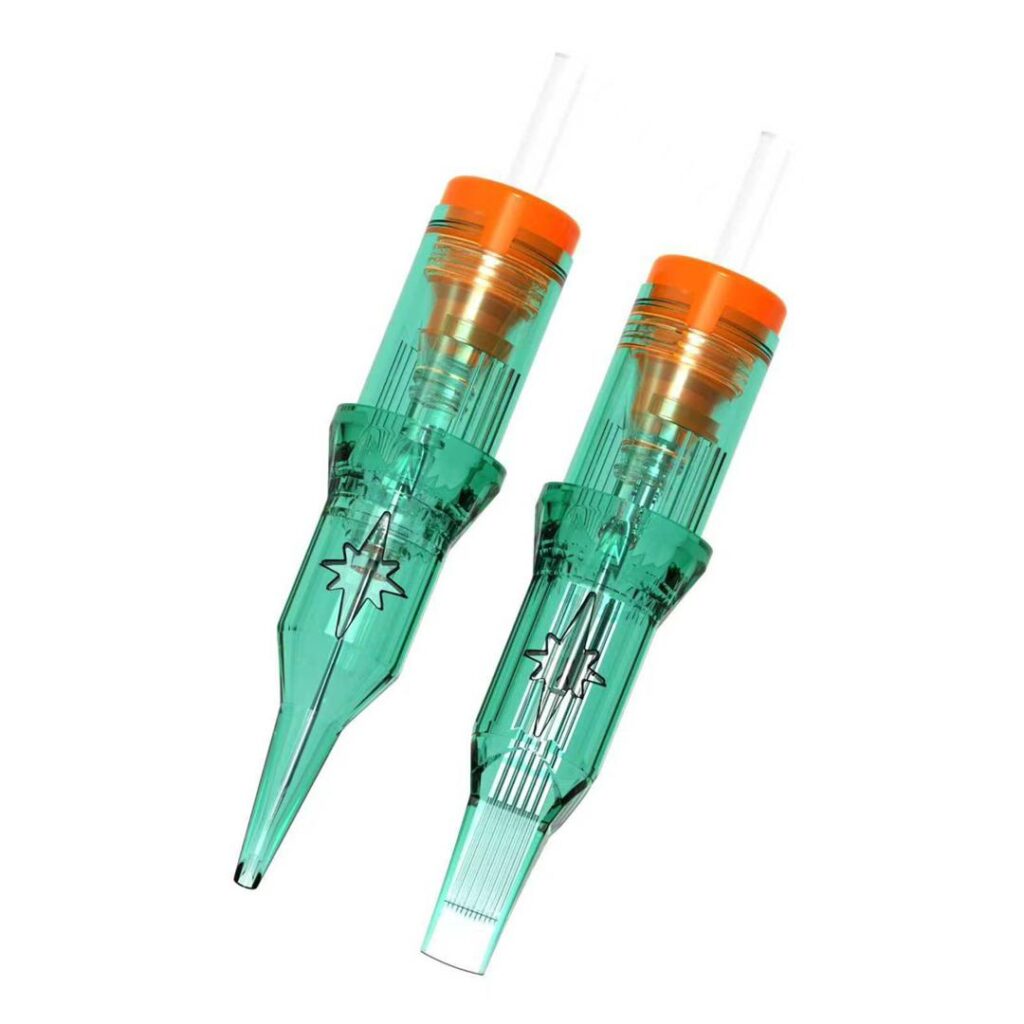
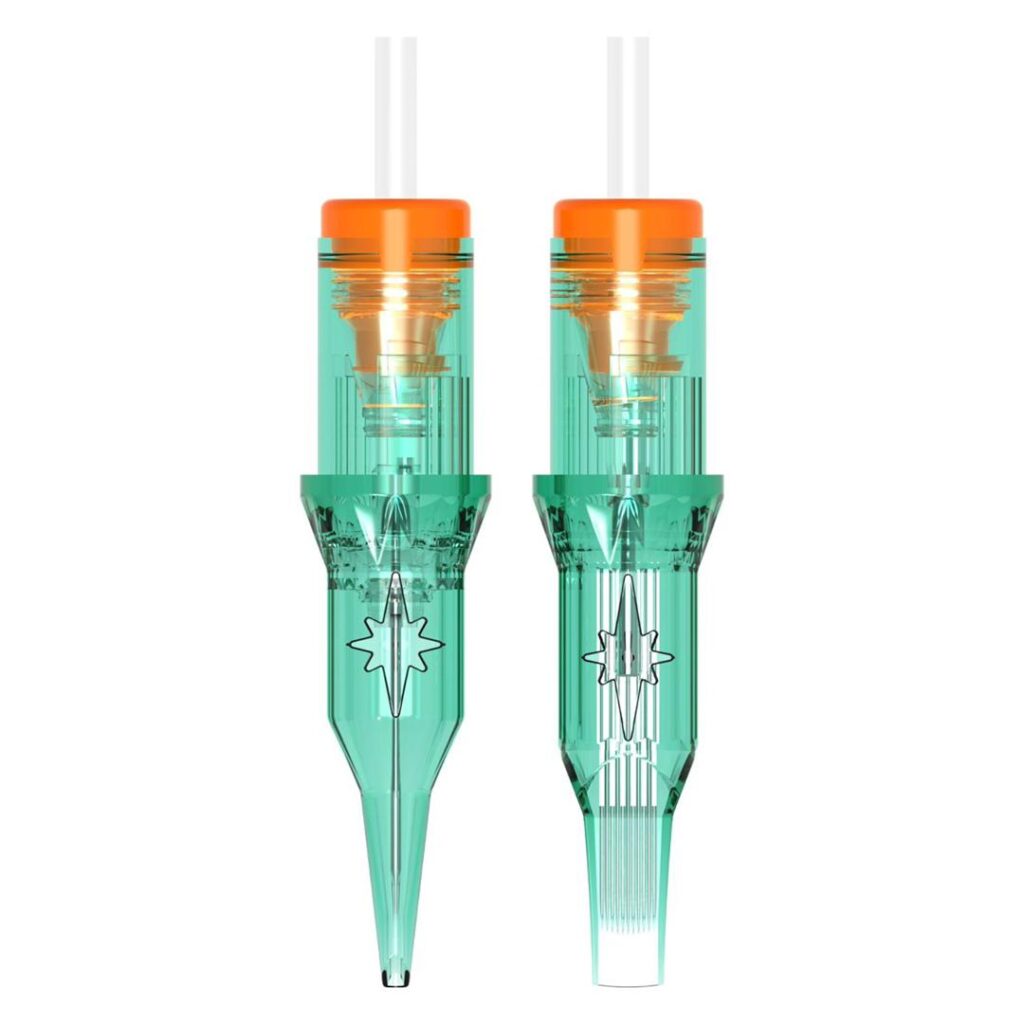
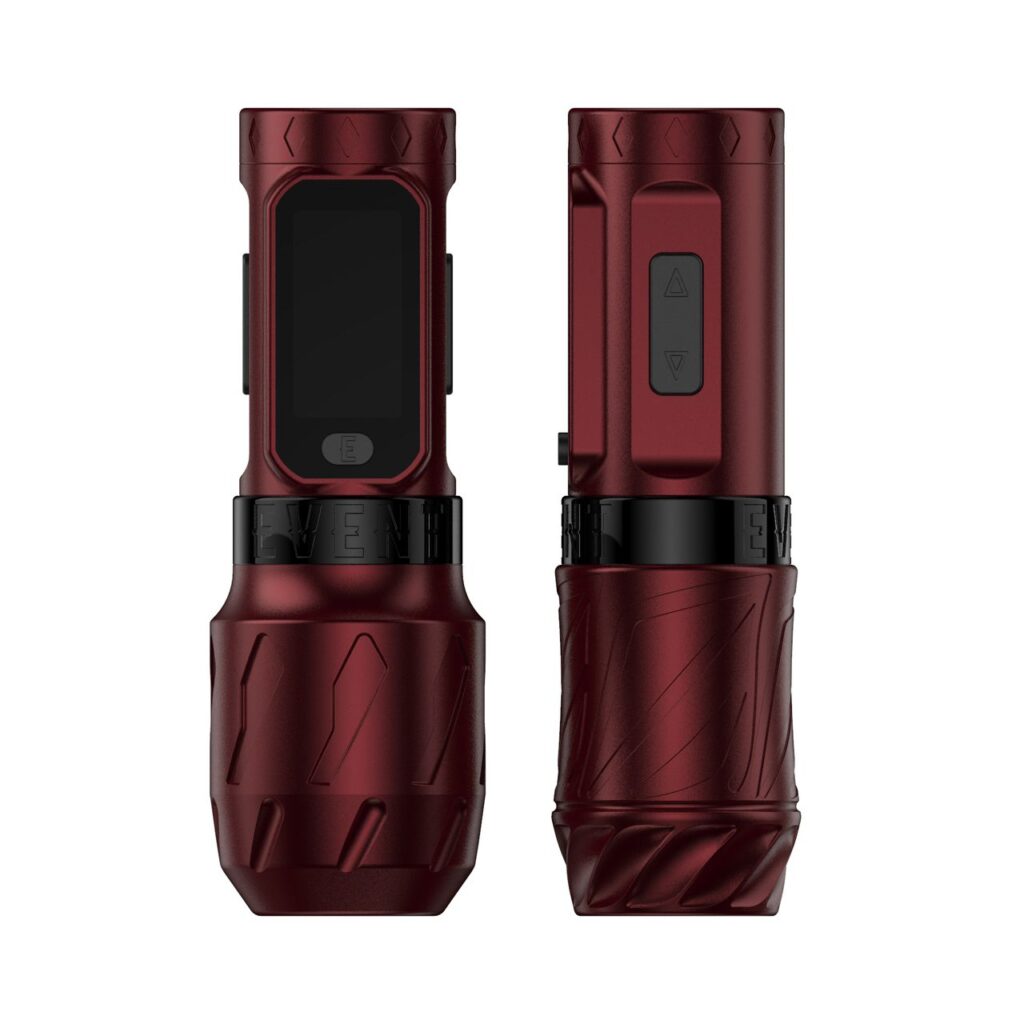
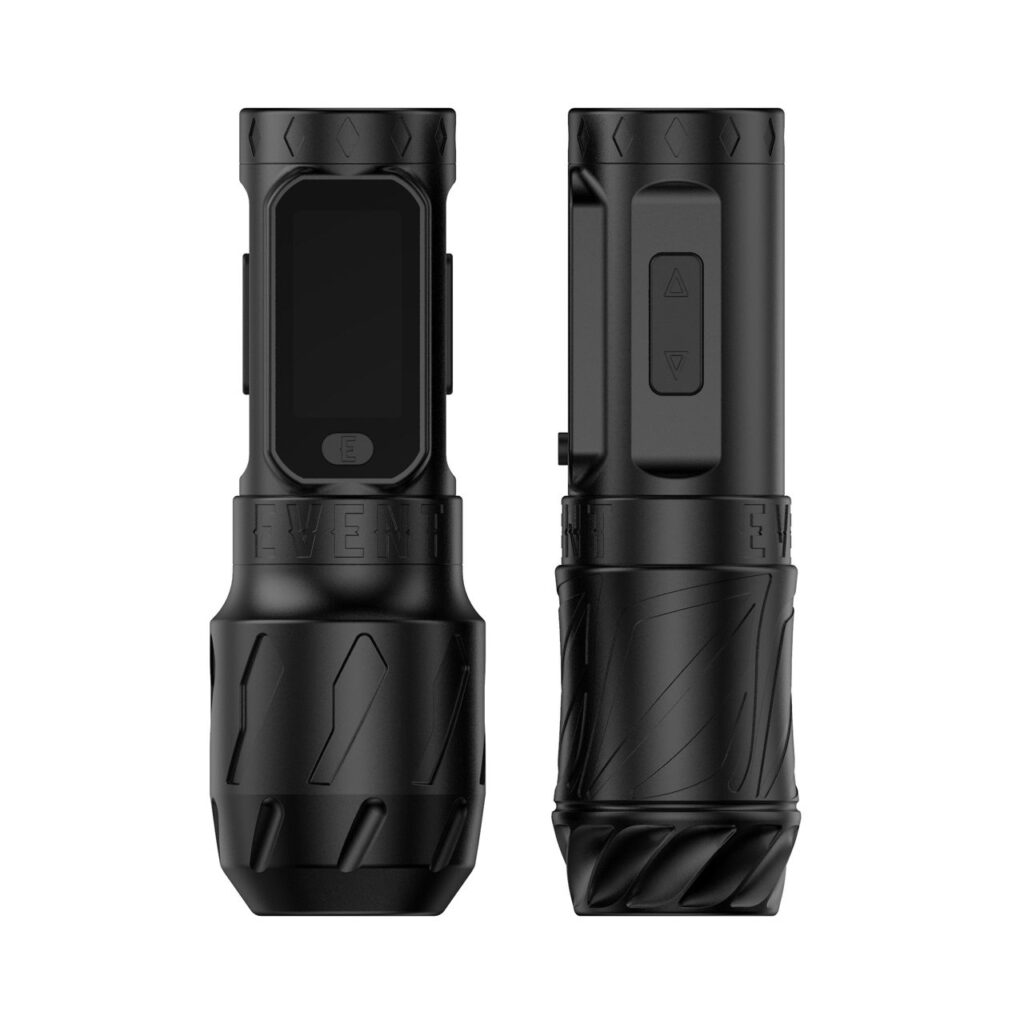
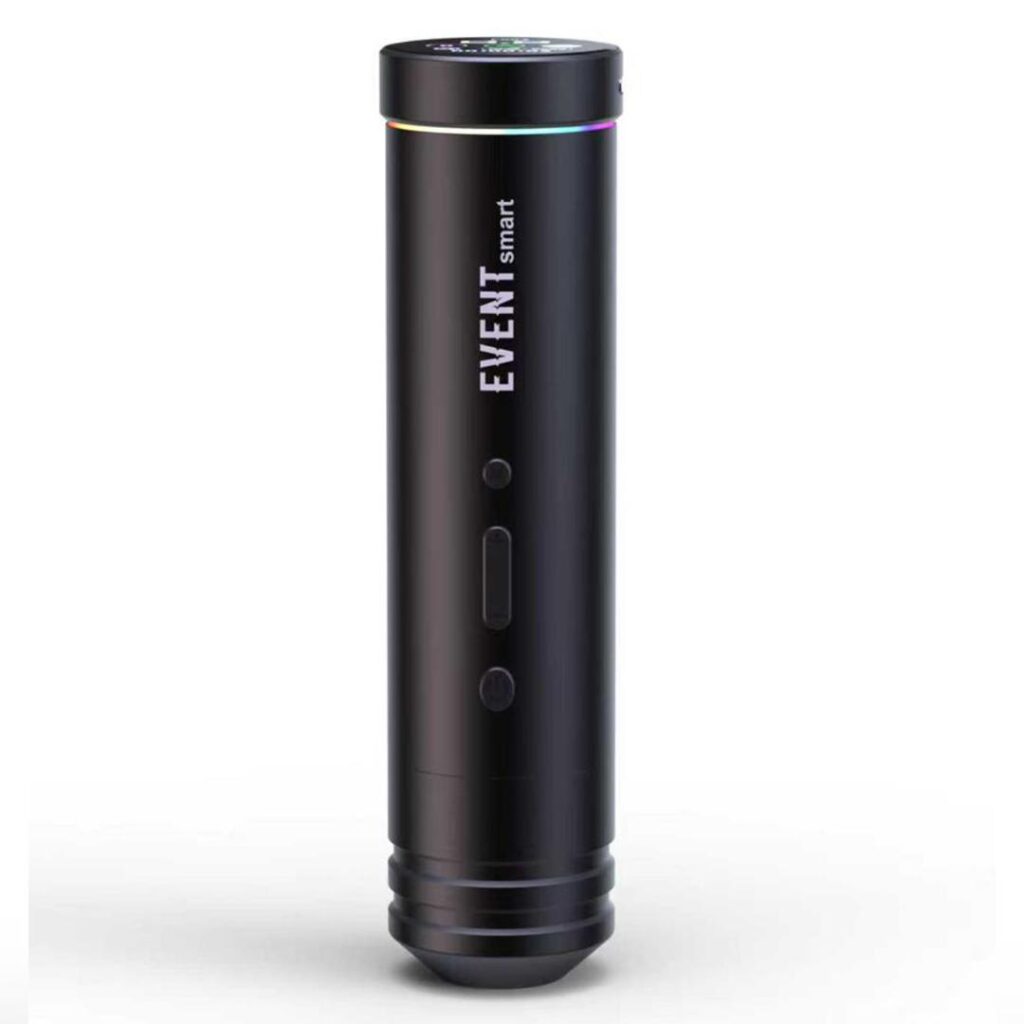
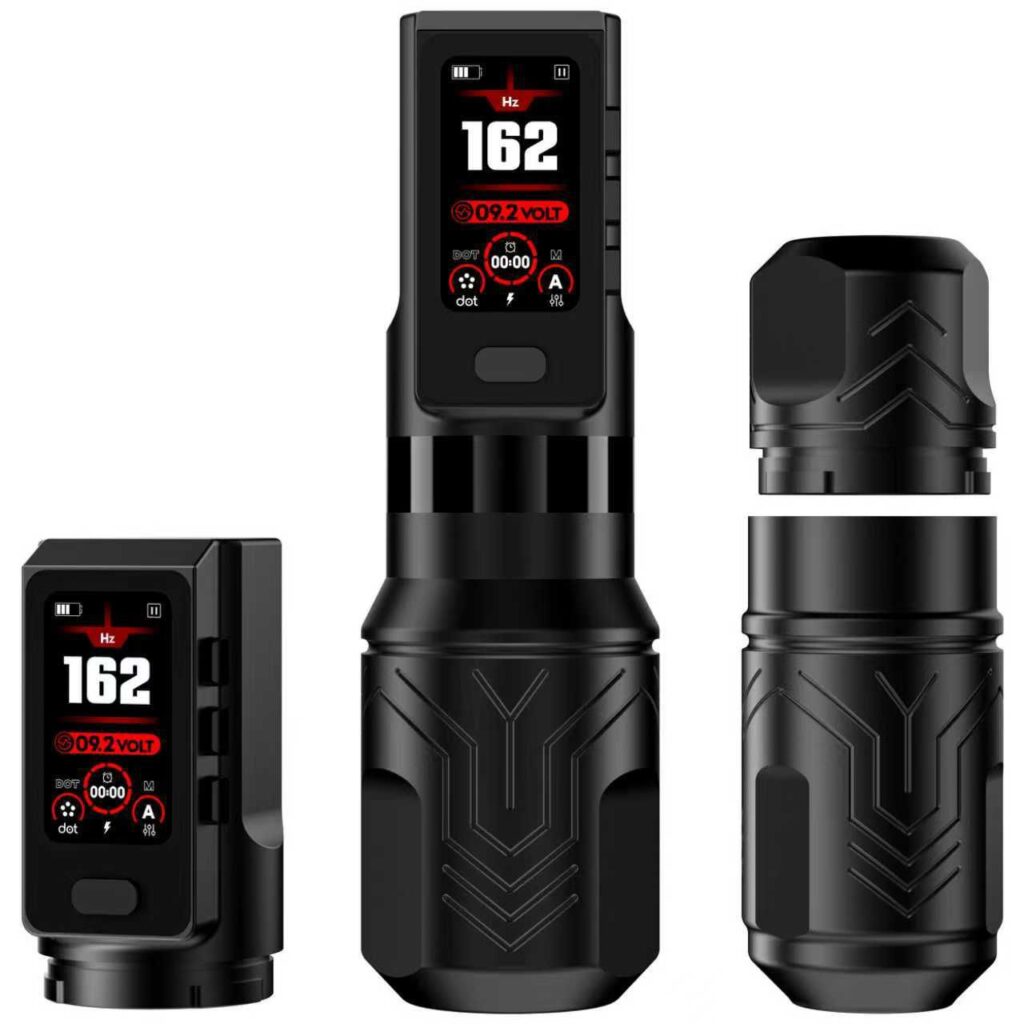
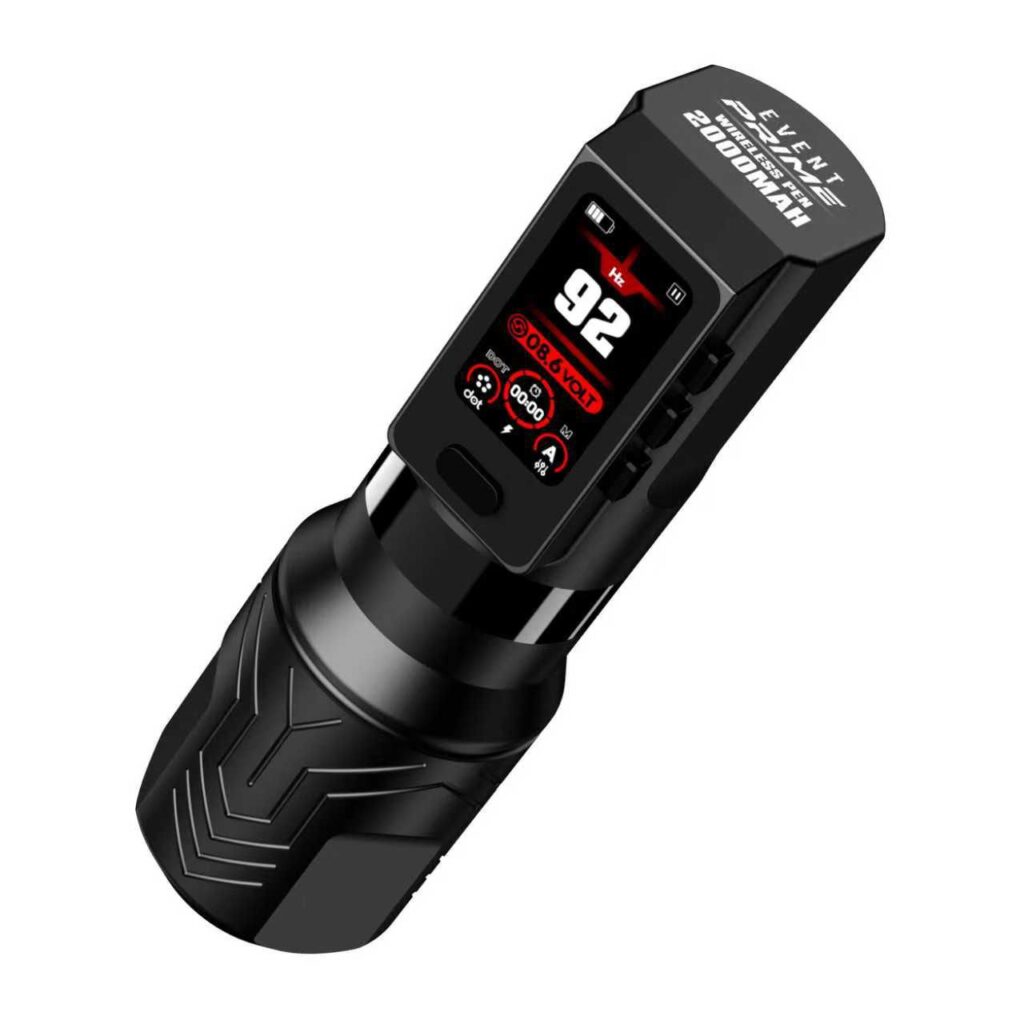
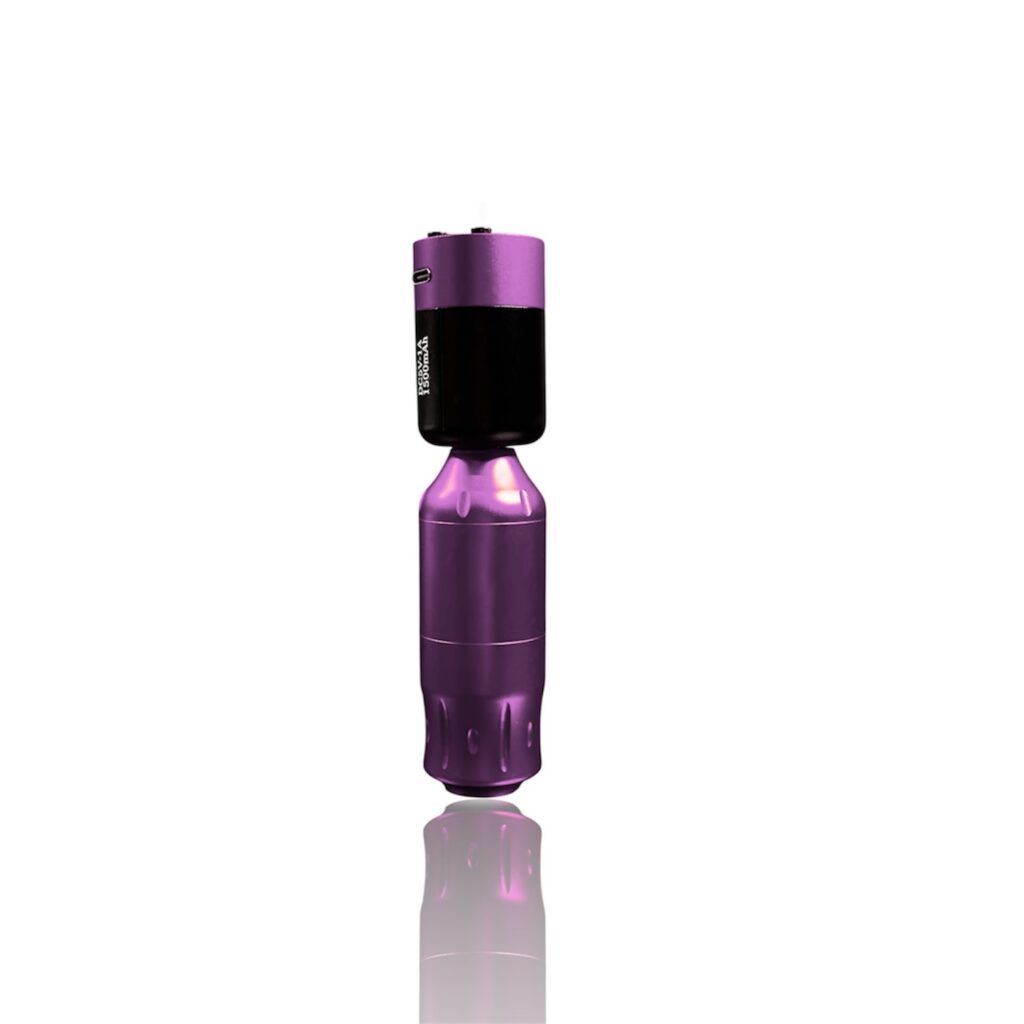
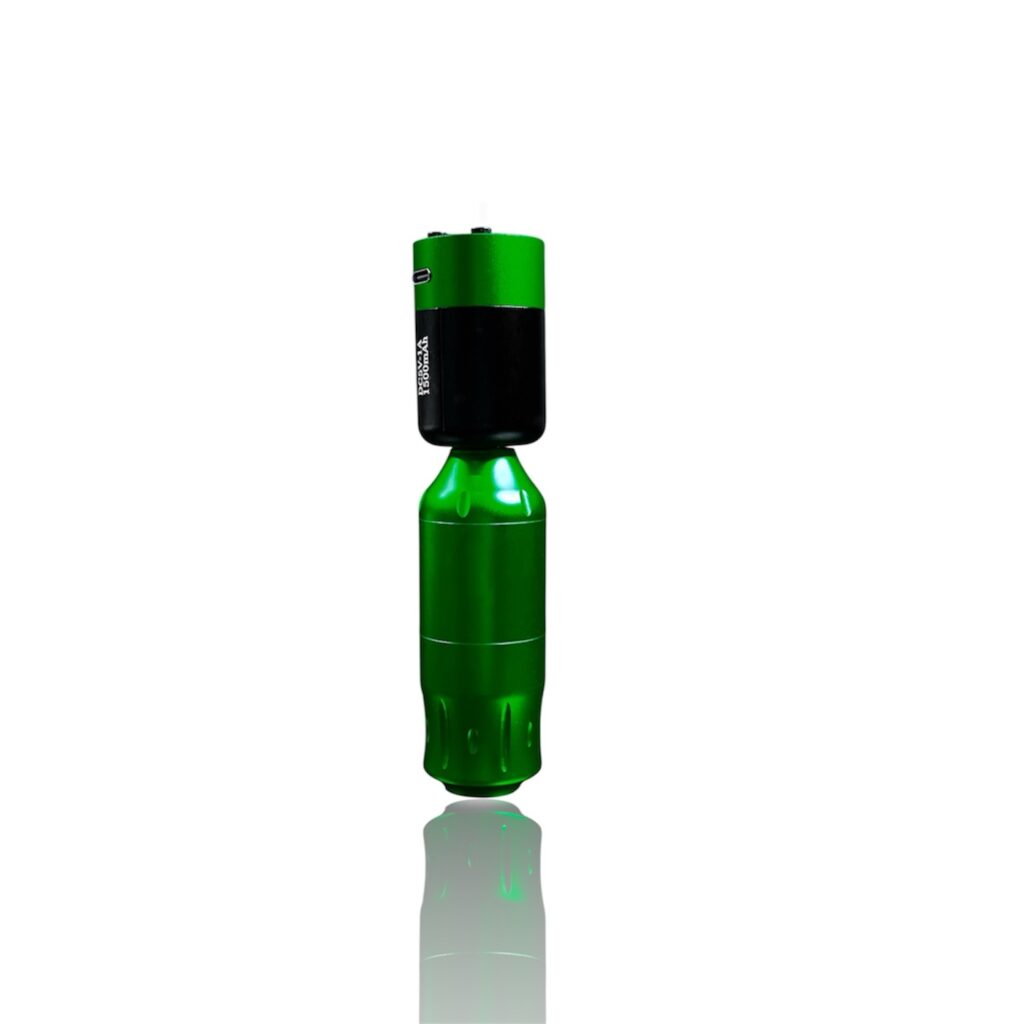
The same equipment a solo artist needs anywhere: a main machine and a backup, cartridges, a stencil setup, and sterilization equipment sized for one station rather than several. We cover the specifics — what to buy first, what can wait, and real price ranges — in how to start a tattoo business, so we won’t repeat the list here. The one home-specific addition is on the conditions list above: your sterilization setup has to stand on its own, separated from anything domestic.
What Should You Tell Clients About a Home Studio?
Set the terms before the first booking, not during it:
- Appointment only, no walk-ins — say this everywhere you’re found, so it’s never a surprise at the door
- Send the address only after booking is confirmed, the way most home-based studios handle it
- The space should look and feel professional the moment a client walks in — the room doing the work of a storefront you don’t have
- Be upfront that it’s a home studio if someone asks. Clients who’d rather book a shop will self-select out, and that’s a cheaper outcome than an awkward first visit
A home studio that’s licensed properly and run this way isn’t a lesser version of a shop. It’s a different business model, with its own rules to follow — starting with the two phone calls at the top of this guide.