
Starting a tattoo business comes down to seven moves, in this order: decide what kind of studio you’re opening, check your local licensing and health rules, set a budget, buy your core equipment, set up a workspace that meets local hygiene rules, get insured, then build your client base and open for bookings. Whether you’re an artist going out on your own or opening a studio with a team, the order holds. Buying equipment before you know your local rules is the easiest way to waste money.
What Are the Steps to Start a Tattoo Business?
- Decide what you’re opening: a private studio (you, maybe one other artist) or a full shop with several artists
- Check licensing and health requirements where you’ll actually work
- Set a budget for equipment first, then everything else
- Buy your core equipment, one station per artist, and nothing beyond it yet
- Set up a workspace that passes your local hygiene rules
- Get insured before your first client
- Build your client base and open for bookings
Which Studio Model Fits: Private Studio, Full Shop, Chair Rental, or Mobile?
This is the decision that sets your costs and your equipment order, so make it first.
| Model | Upfront cost | Control | Best when |
|---|---|---|---|
| Private studio (your own room or suite) | Medium | High: your hours, your brand | You already have clients who will follow you |
| Full shop with several artists | Highest | Full, and full responsibility | You can cover several months of rent and running costs, and you’re ready to manage a team |
| Chair rental in an existing shop | Lowest | Low: the shop sets hours and brand | You want to build clients and savings before taking on a lease |
| Mobile or guest work | Low | Medium | You travel to conventions and guest spots. Where it’s allowed, so check locally first |
If the goal is to own the business, the real decision is private studio or full shop. A private studio keeps costs and staffing simple. A full shop lets you grow past your own hours, but it needs cash in the bank and someone managing artists, which is a different job from tattooing. Chair rental is a stepping stone, not the destination. A private studio can even mean working from home in some places, though that comes with its own legal check first — see can you start a tattoo business from home.
What Licences and Health Approvals Do You Need?
It depends on your country, state and sometimes your city, so we won’t quote rules here. In most places you’ll be asked for some combination of a business registration, an artist licence or registration, and a health approval for the premises, and inspectors ask about sterilization and waste handling.
Call your local health authority before you sign a lease or order gear. It’s a ten-minute call that can change what you’re allowed to buy and where you’re allowed to work.
What Equipment Does a New Studio Actually Need?
Less than most starter lists tell you. A studio’s equipment splits into two kinds: what every artist needs at their own station, and what the shop buys once. Buy those, and wait on the rest until you know your styles and your client flow.
| Per artist station (buy for each artist) | Shared by the shop (buy once) | Can wait |
|---|---|---|
| Two machines or pens: one to work with, one as backup | One stencil printer to start | A third machine per artist |
| Power: the battery or supply the machine needs, plus a spare | Sterilization equipment and disposables, as your local rules require | Specialty machines for a style you don’t offer yet |
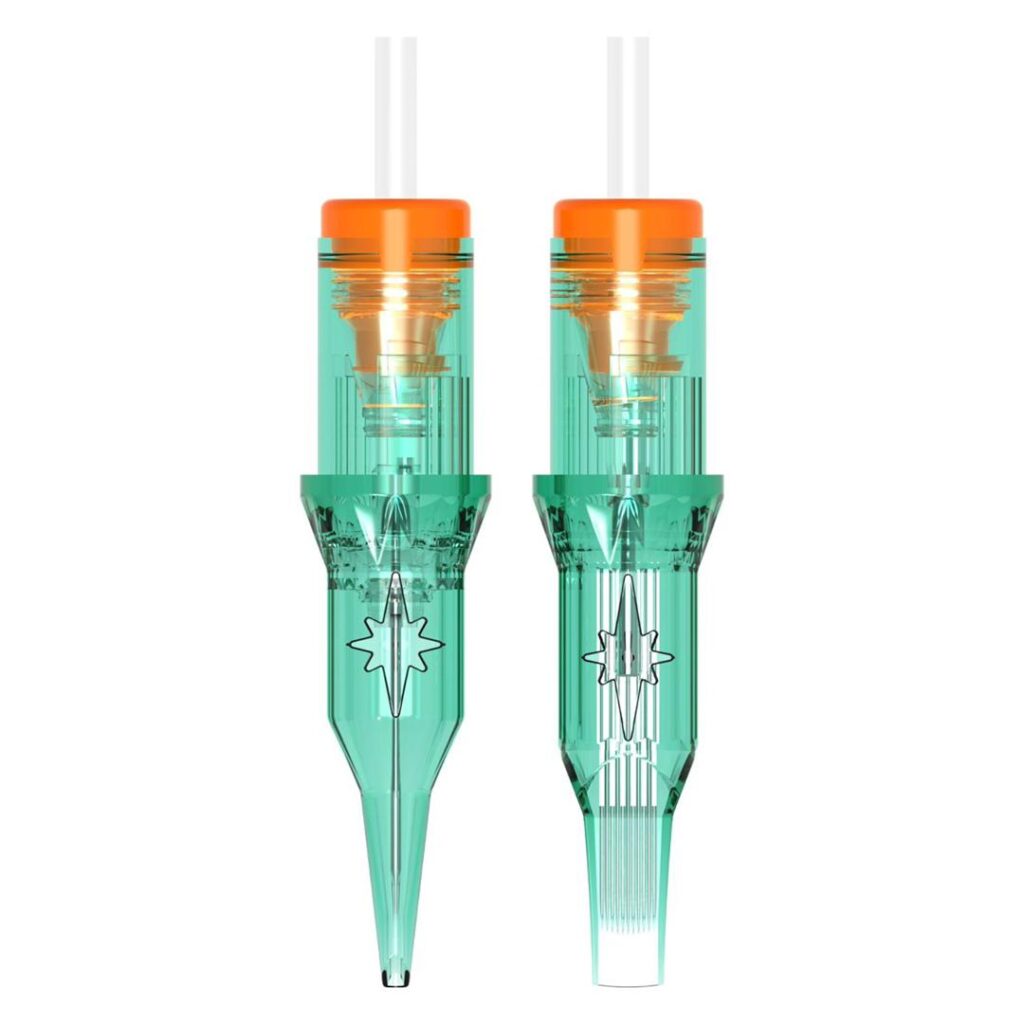
| Cartridges in the two or three groupings that artist uses most | Cleaning and aftercare supplies | The full cartridge range |
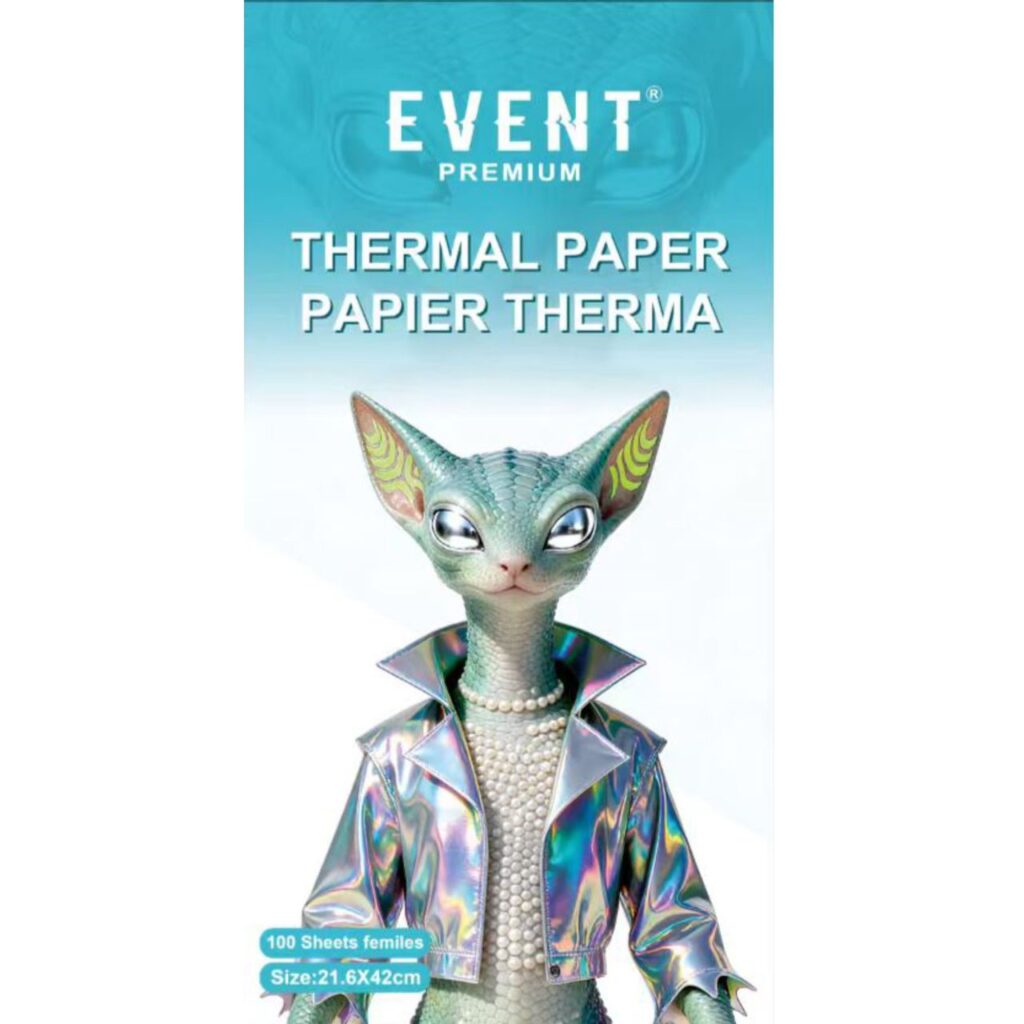
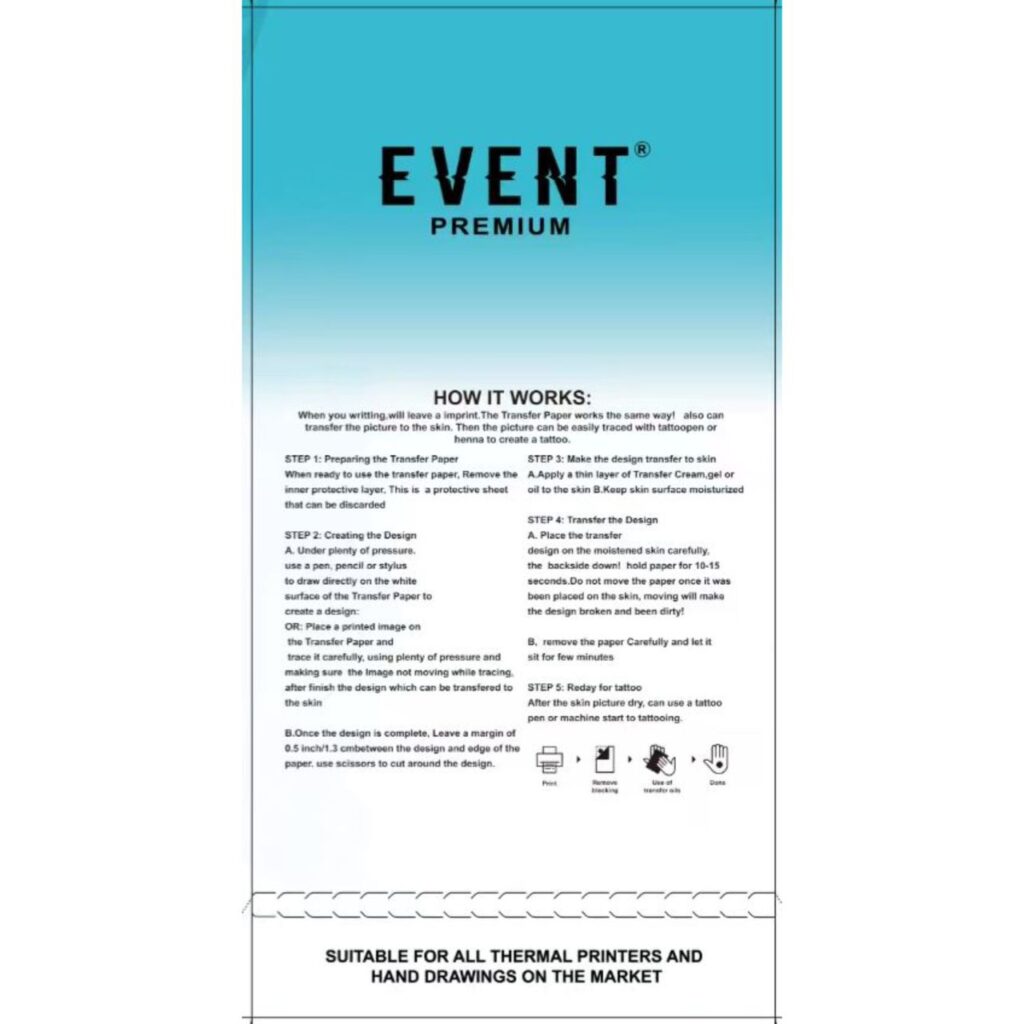
| Stencil gel and paper | Waste disposal set-up, as your local rules require | A second printer, until artists start queuing for the first |
| A chair or bench and proper lighting | A booking and deposit system | Branded merchandise and decor |
Two machines per station, not five. The second one isn’t for variety: a machine that fails mid-session costs the client’s whole appointment, not just a repair. Everything past that backup is a guess about a style you haven’t settled on.
That’s why equipping a studio means ordering in multiples: a three-artist shop needs six machines and three sets of cartridges, but only one printer. It’s also the point where wholesale pricing starts to matter more than the listed price. If you’re unsure whether you need a printer at all yet, our breakdown of whether a stencil printer is necessary goes through who it pays off for.
How Much Should You Budget for Equipment?
Here are Event’s own listed prices as of September 2026, so you can see what the equipment side looks like:
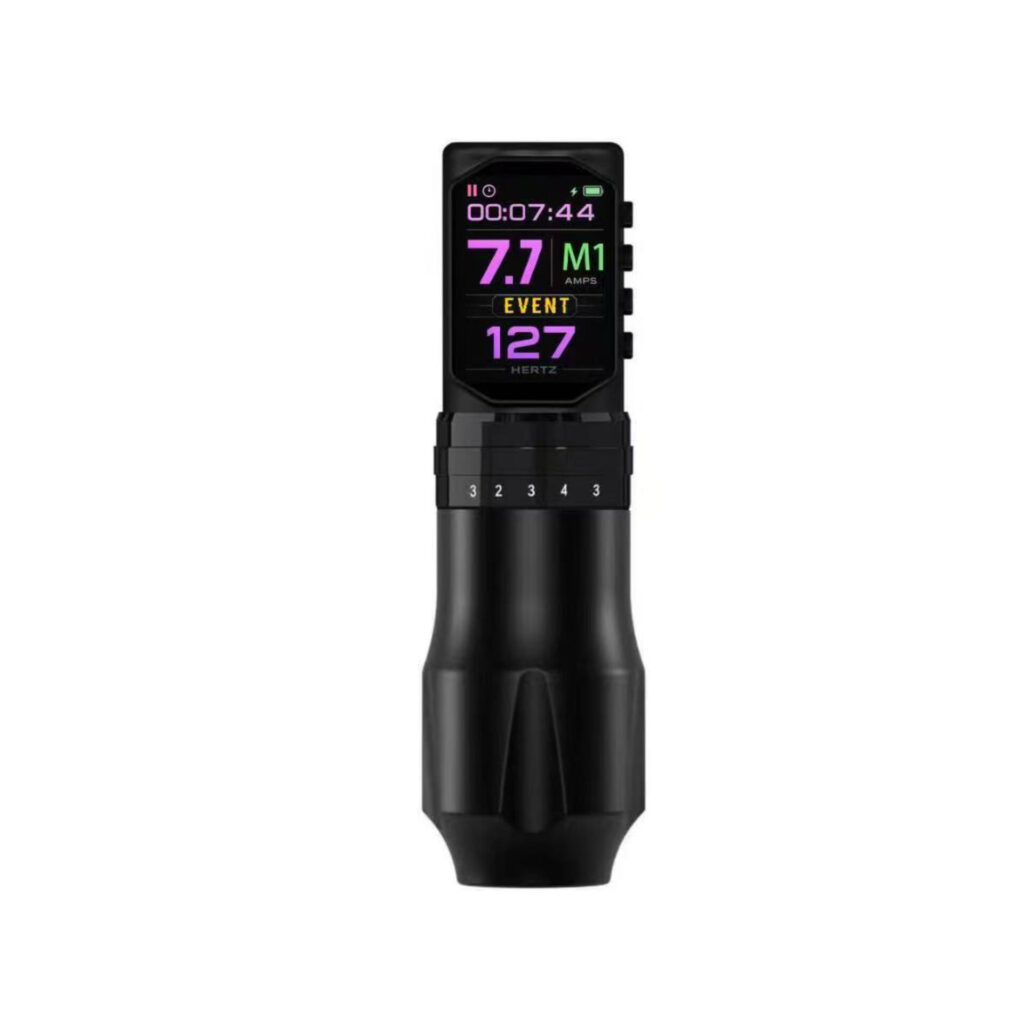
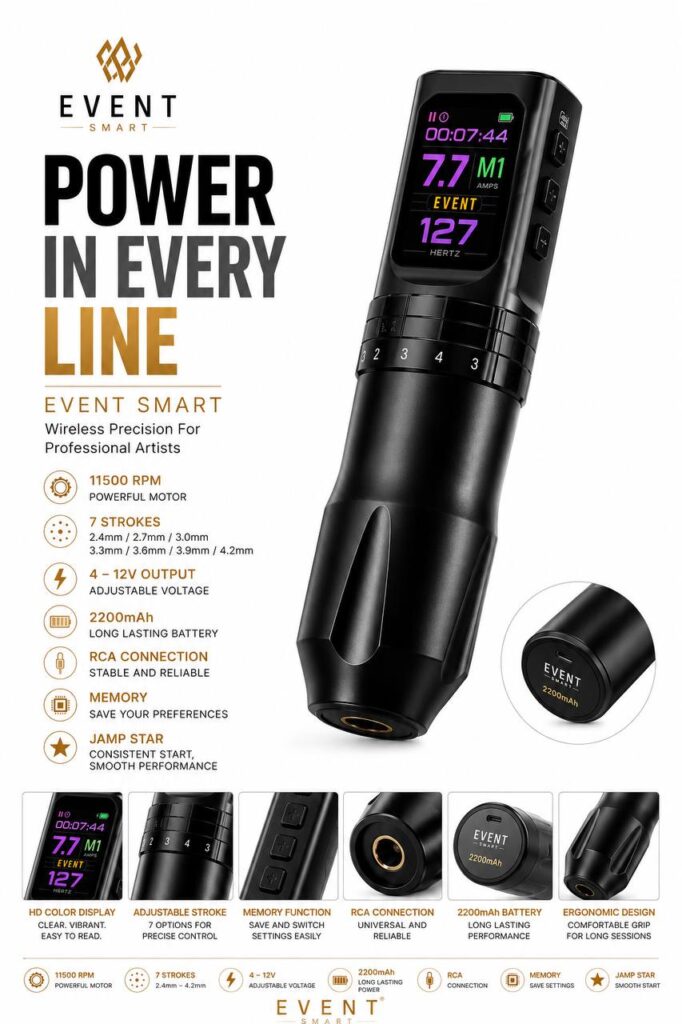
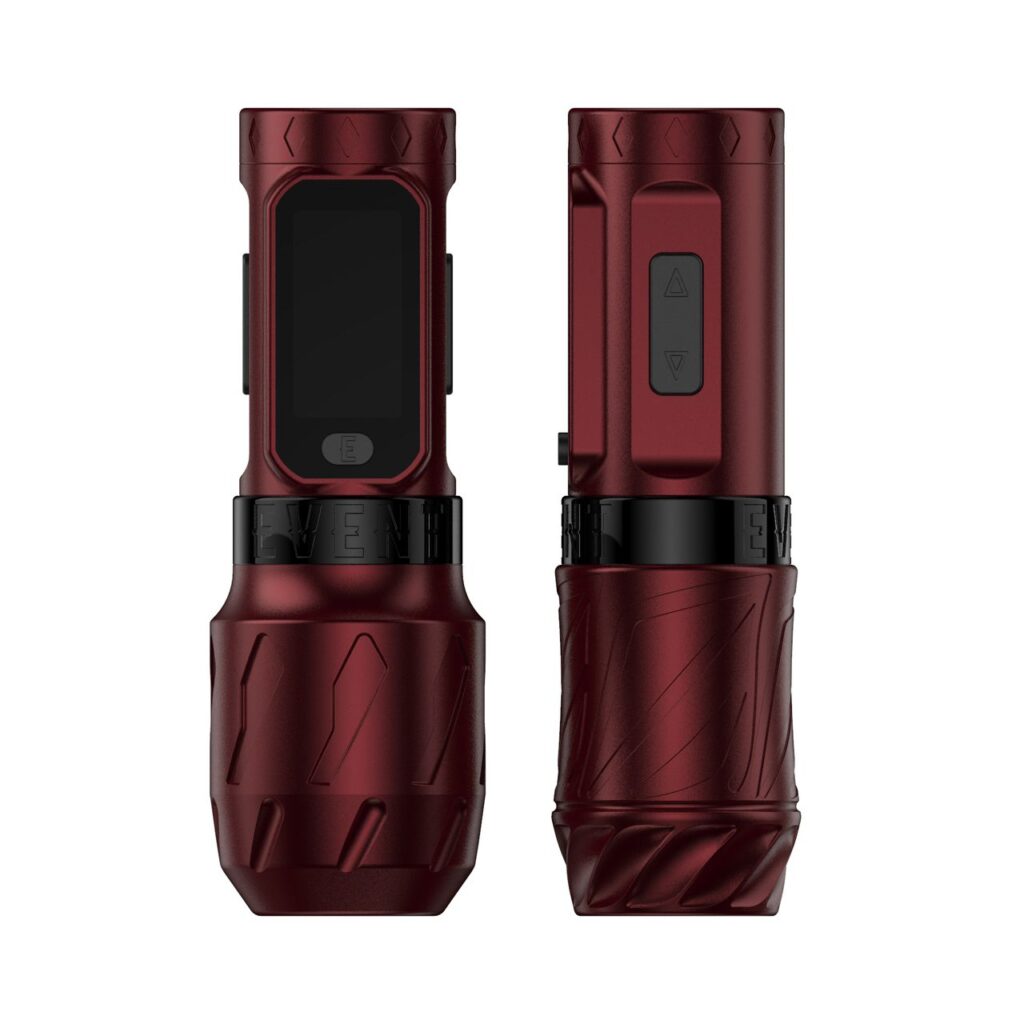
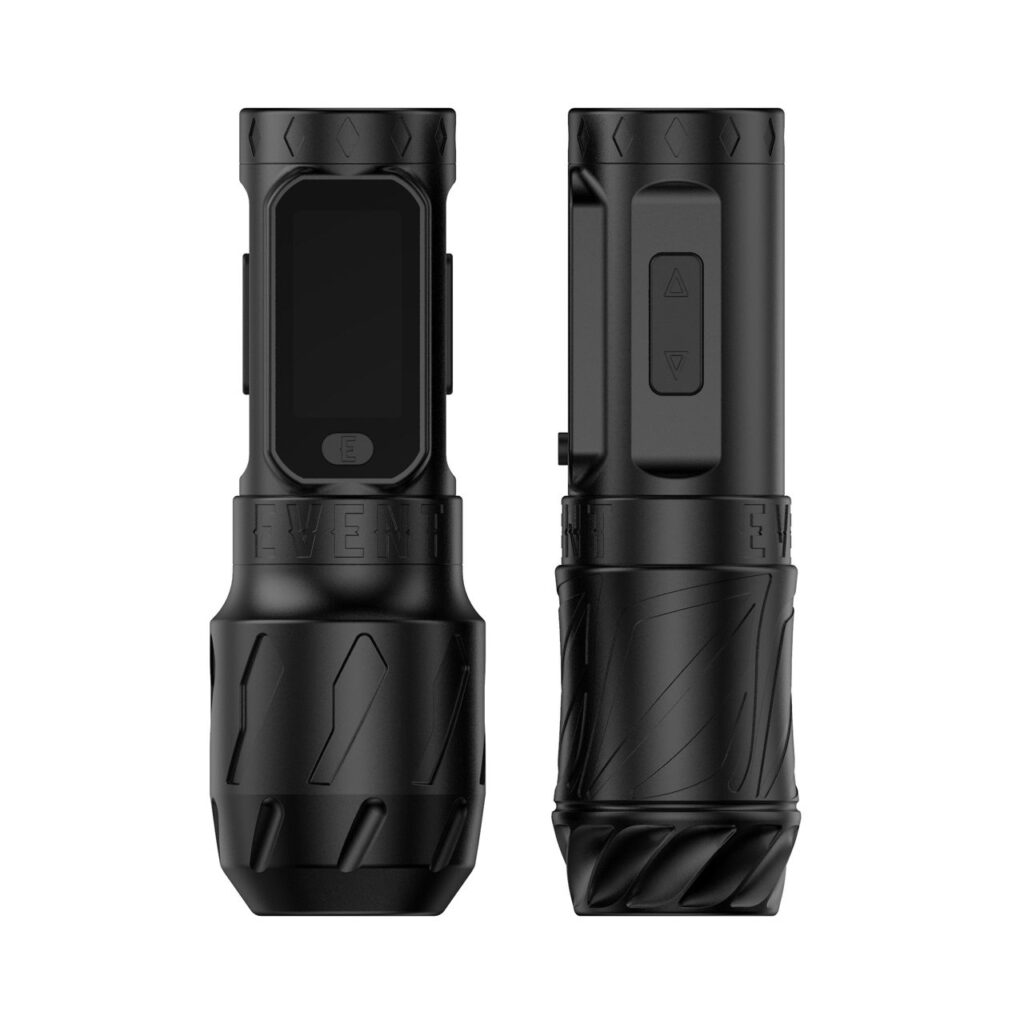
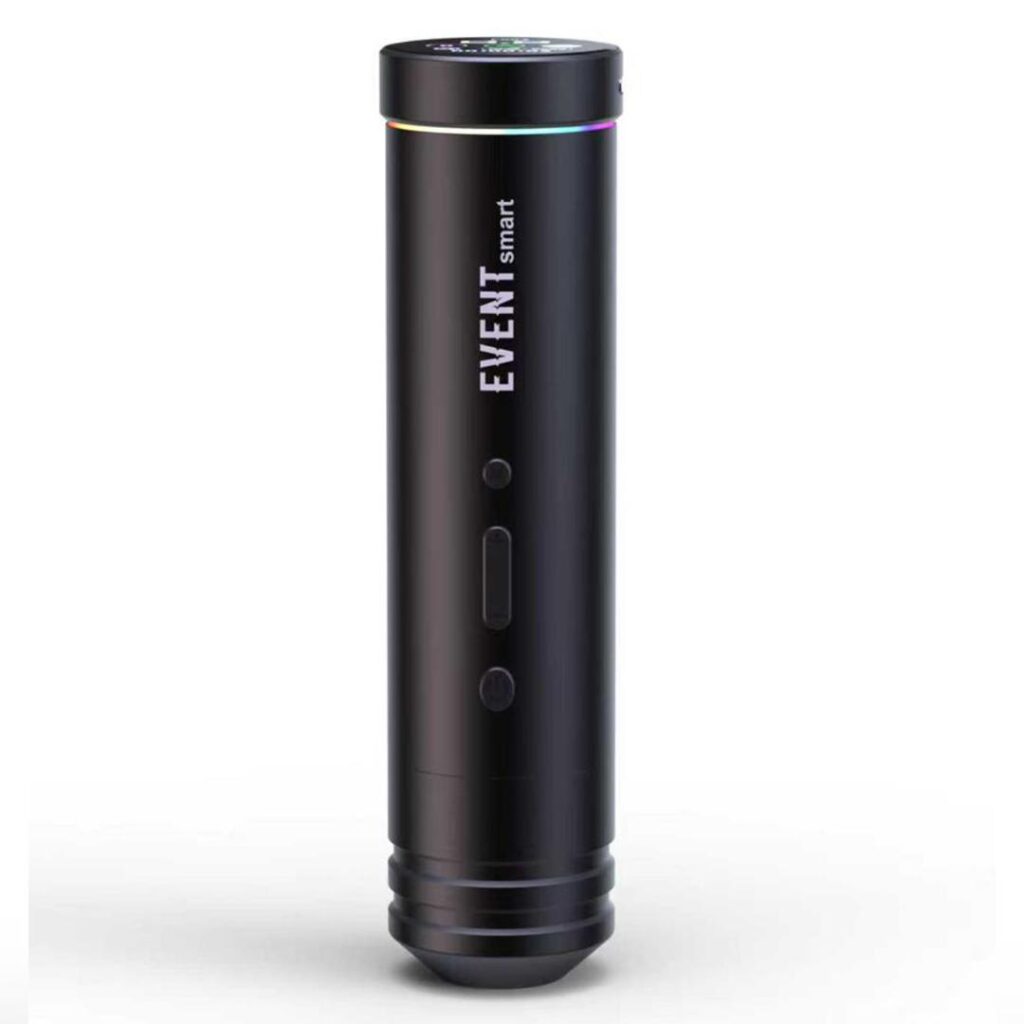
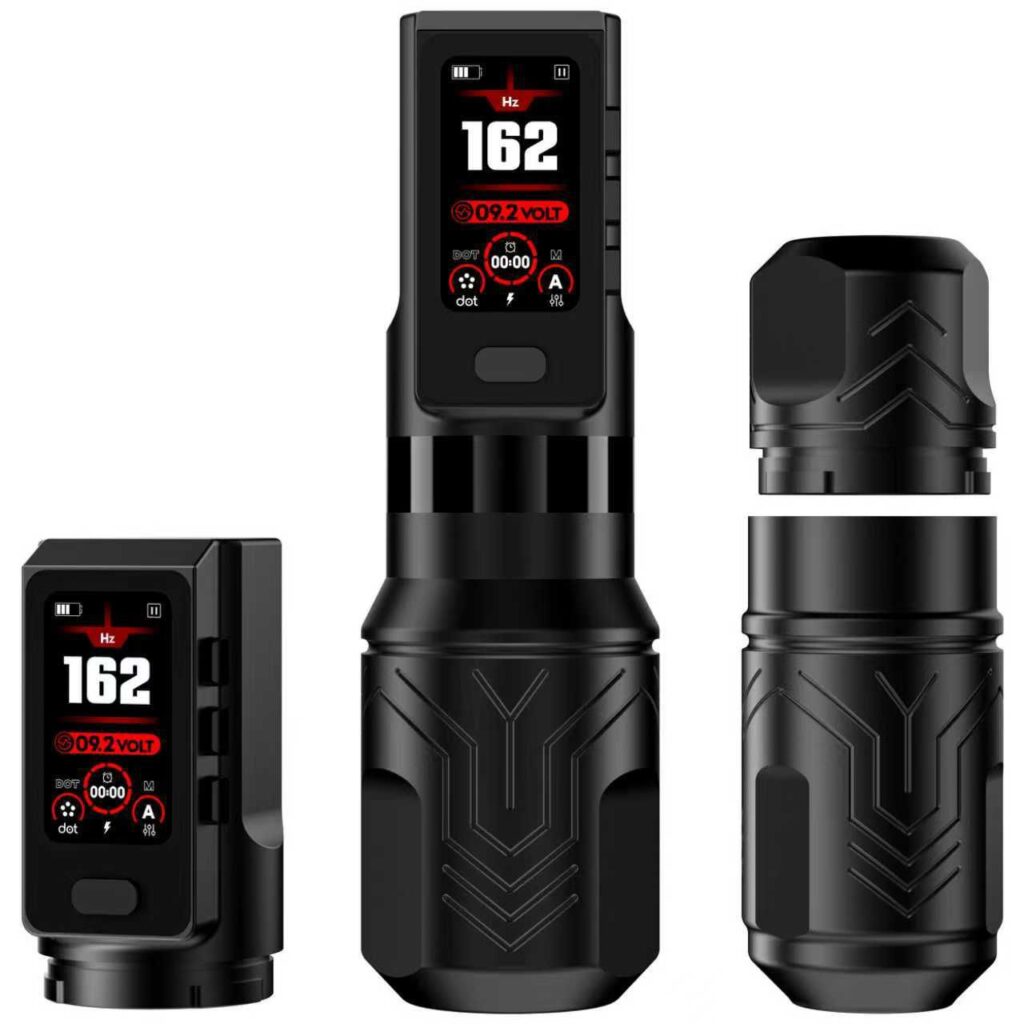
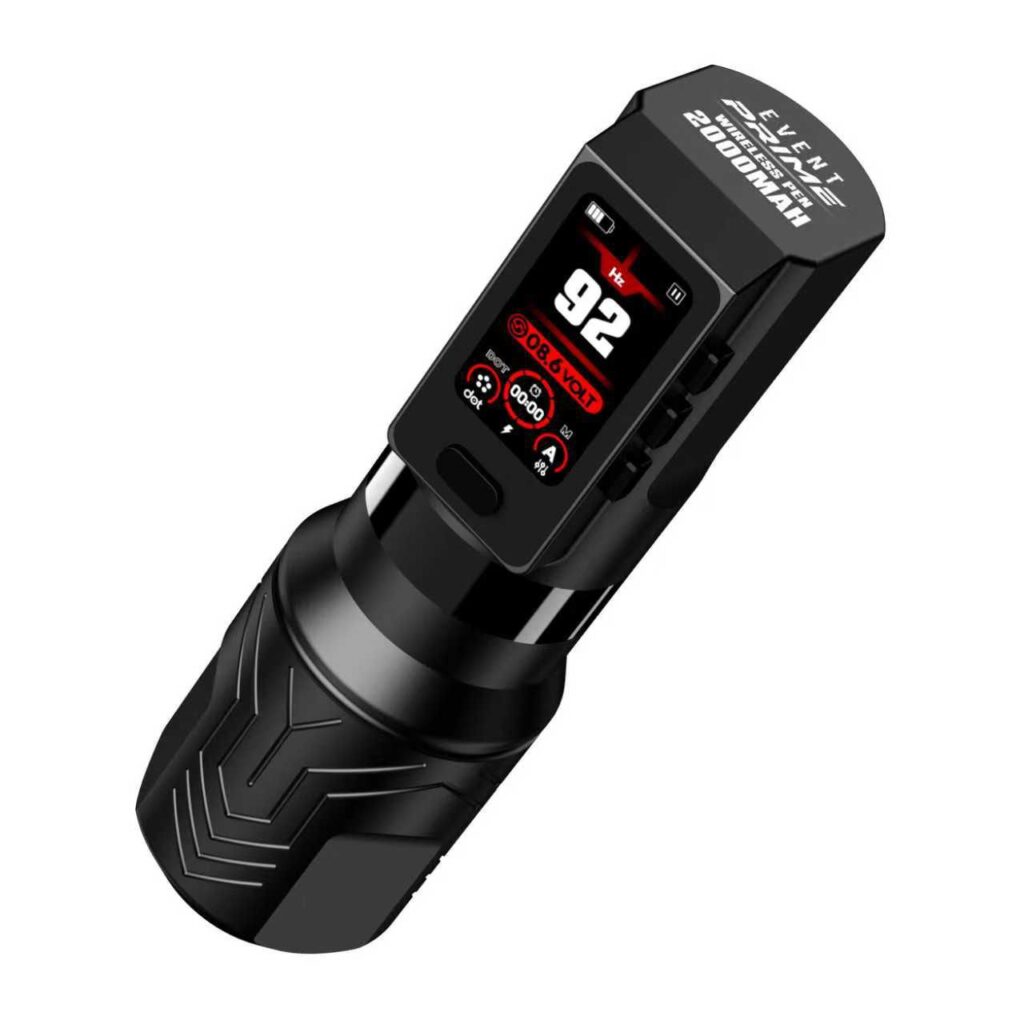
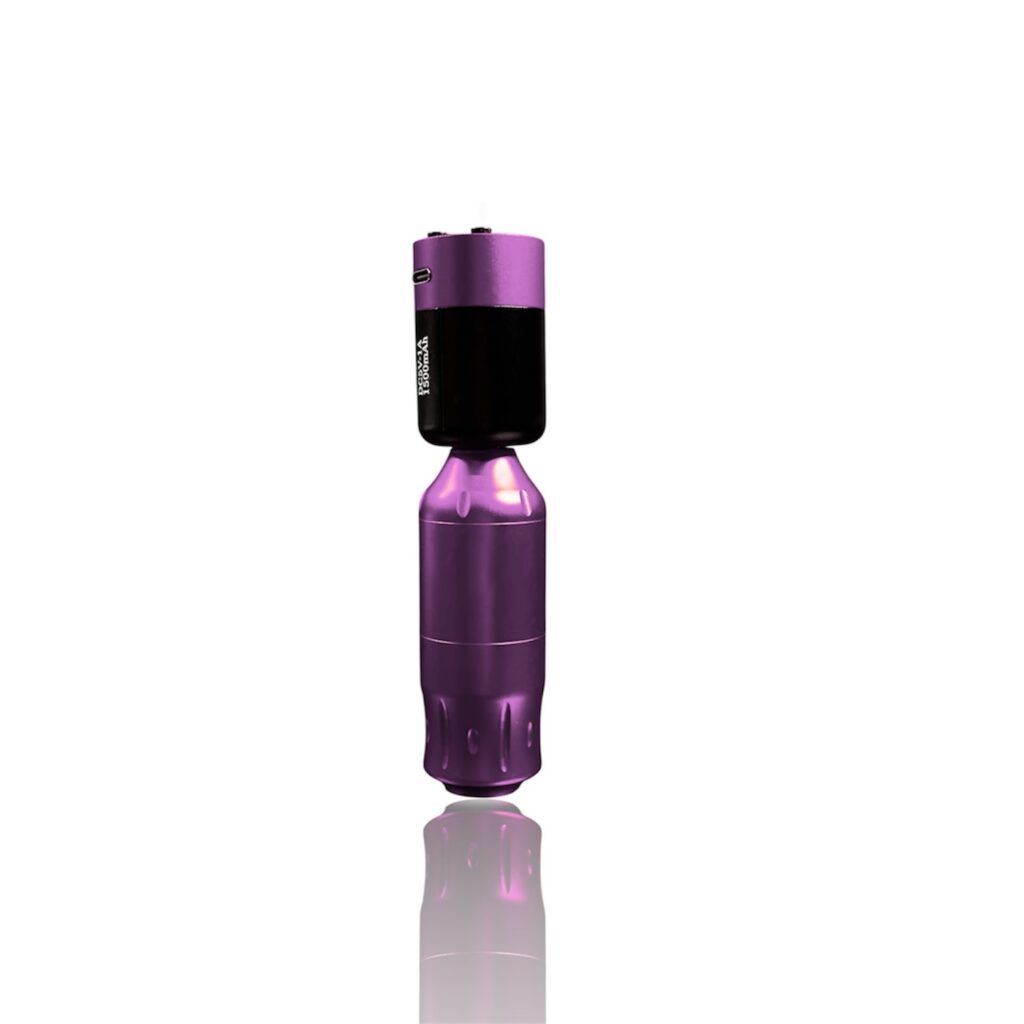
- Machines and pens: $130 to $450 each, depending on the model
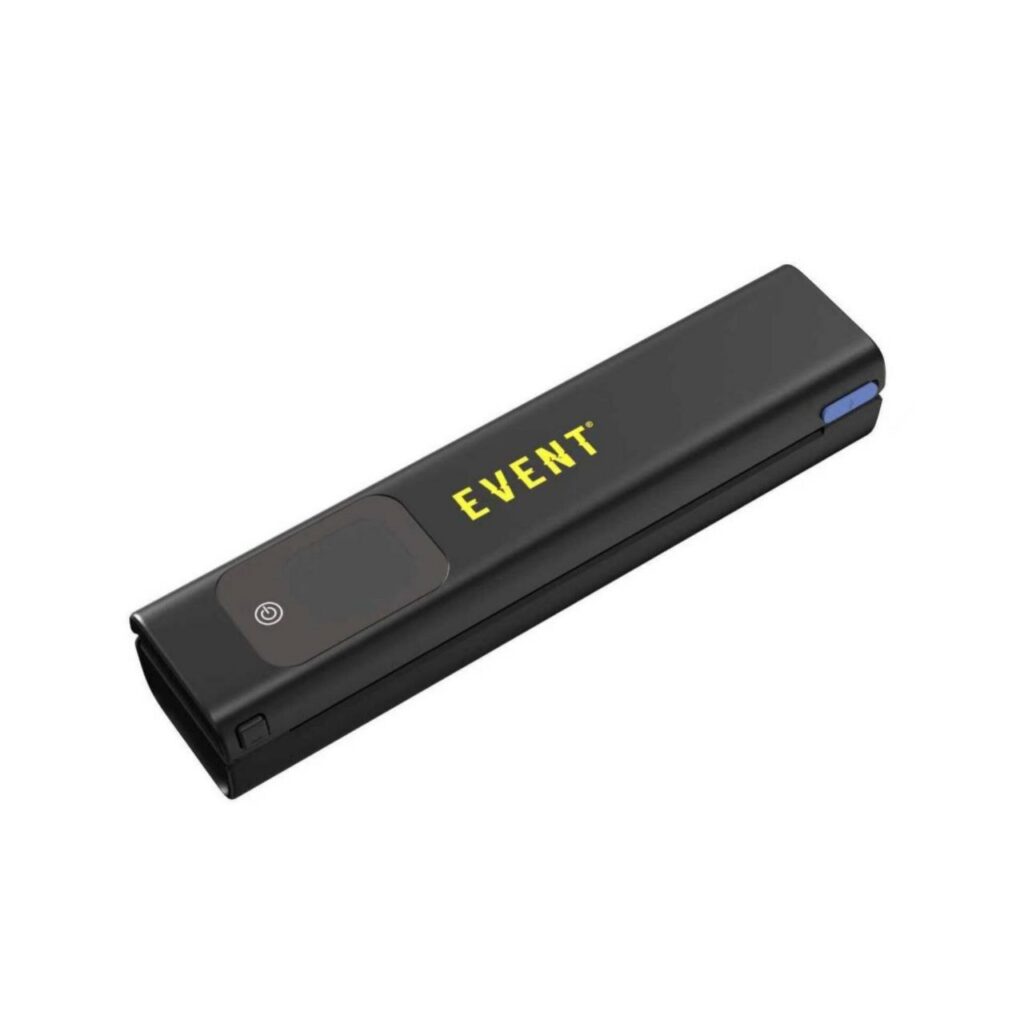
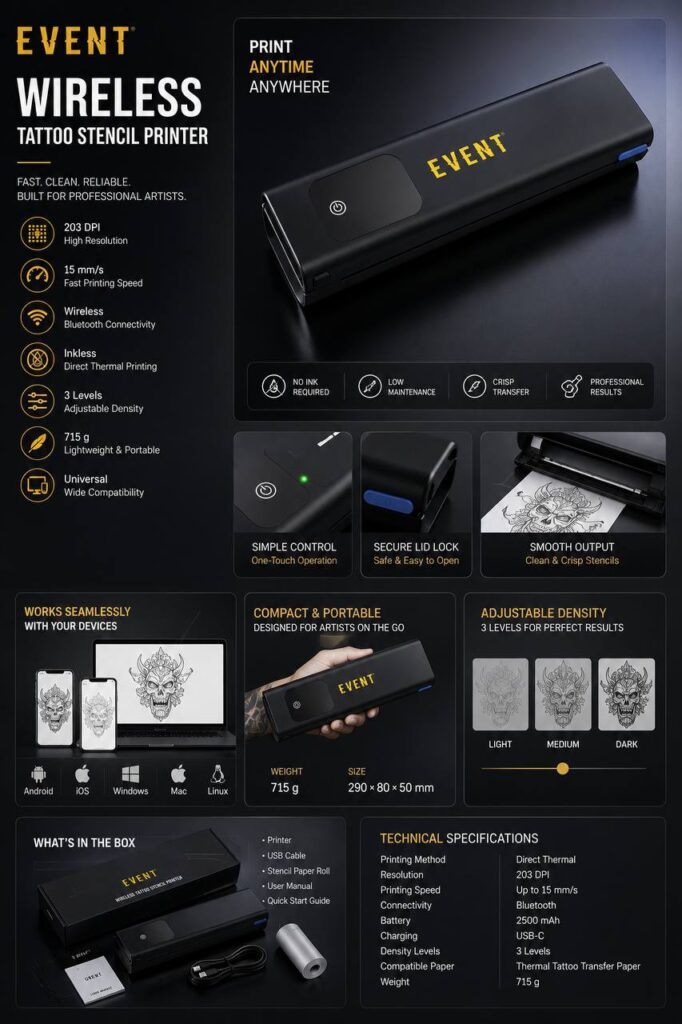
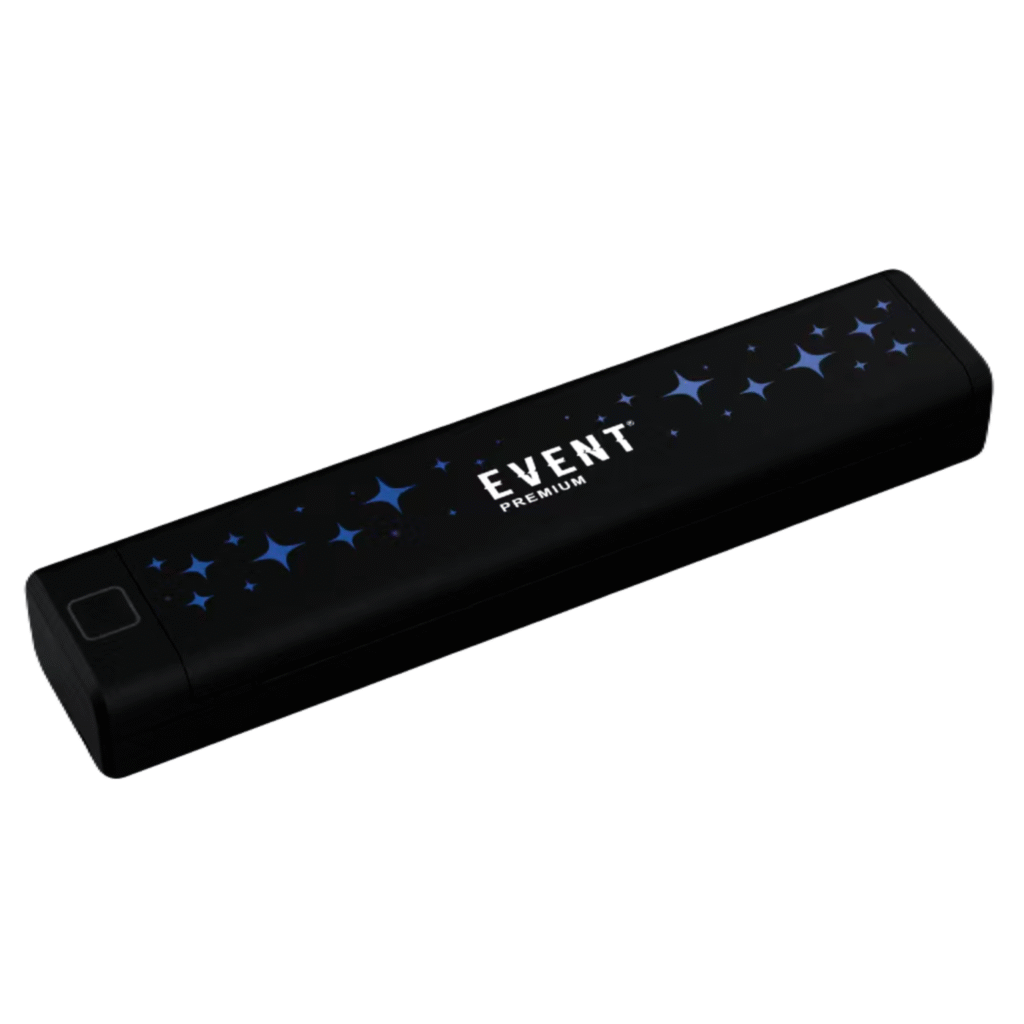
- Stencil printers: $200 to $300
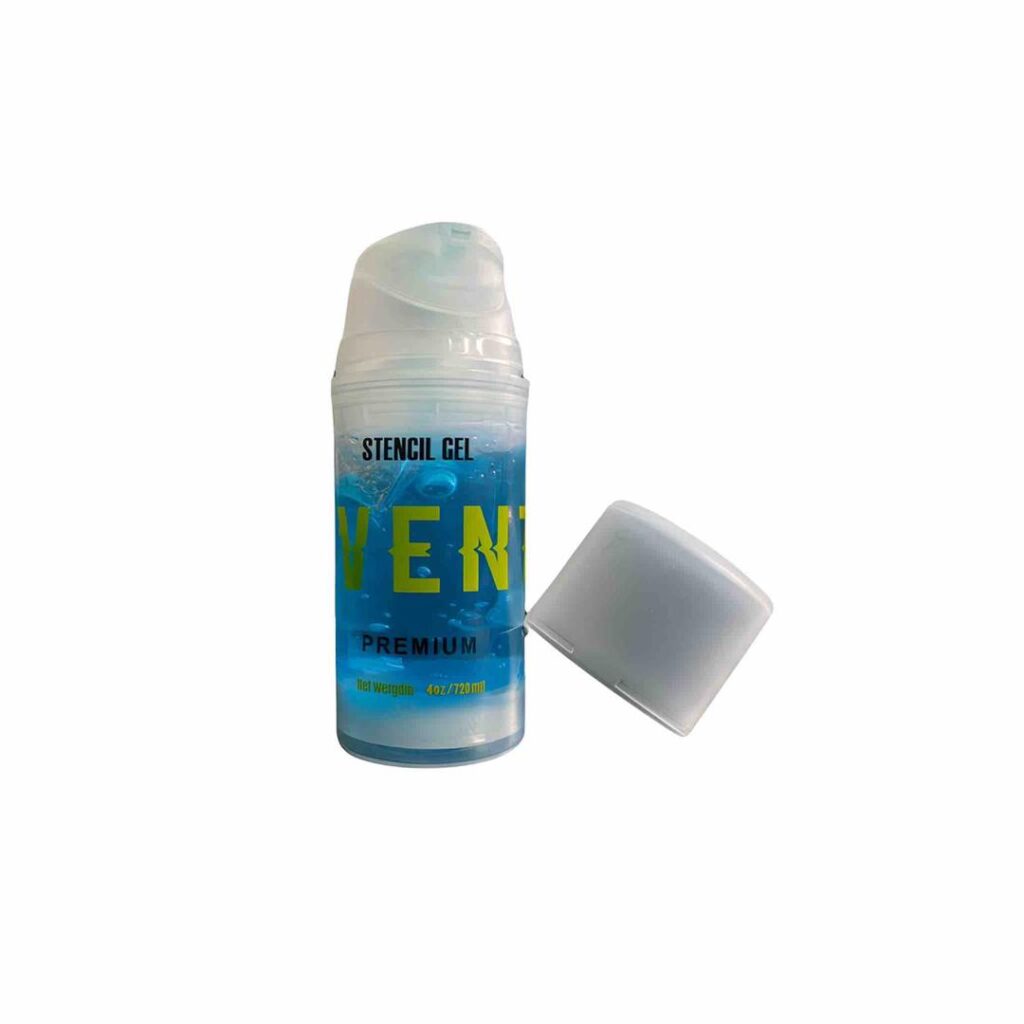
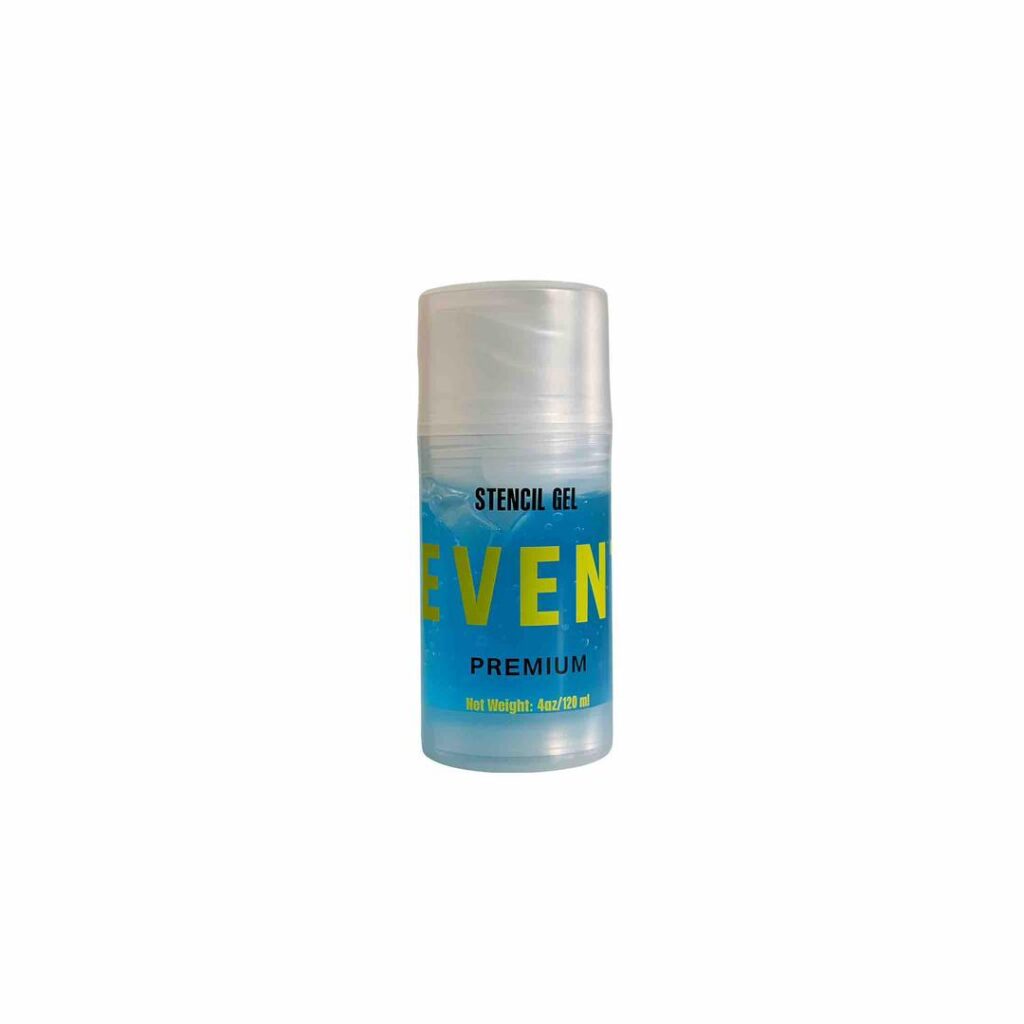
- Stencil gel: about $10
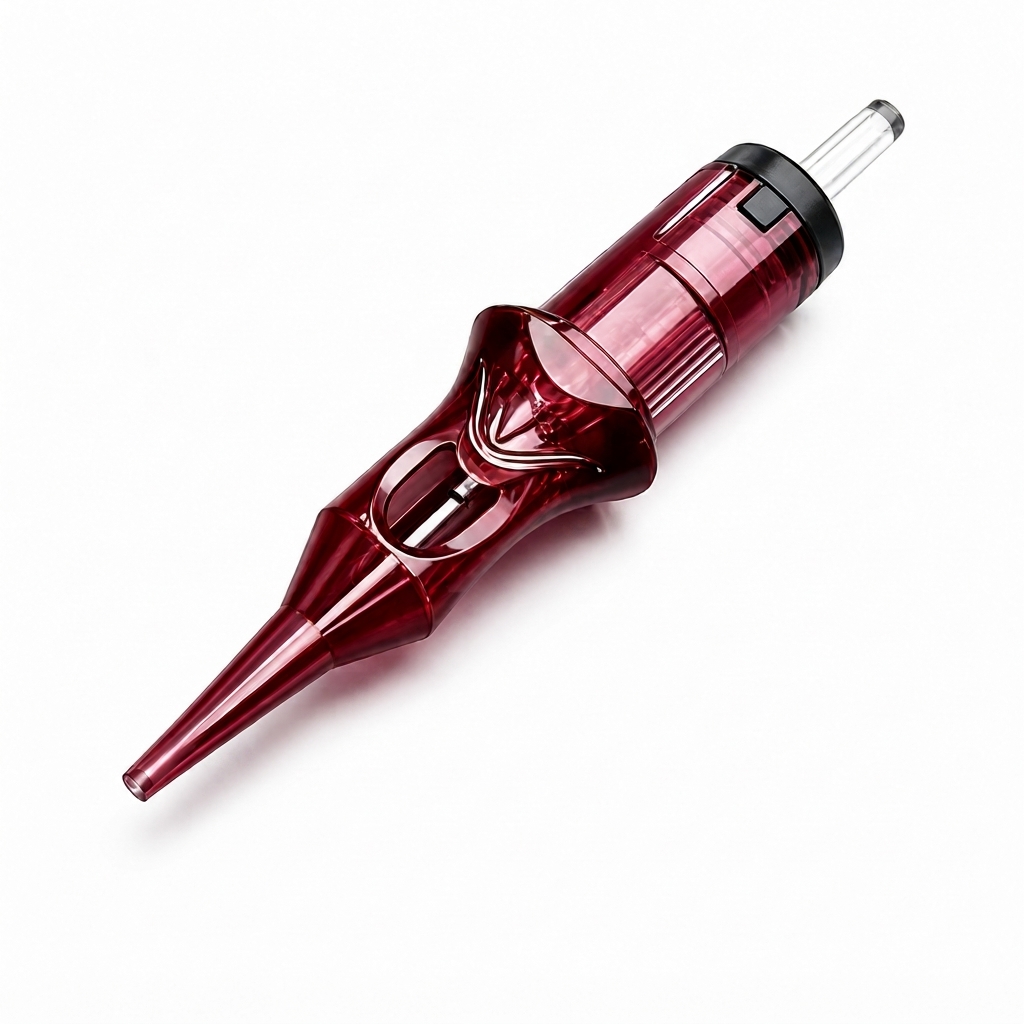
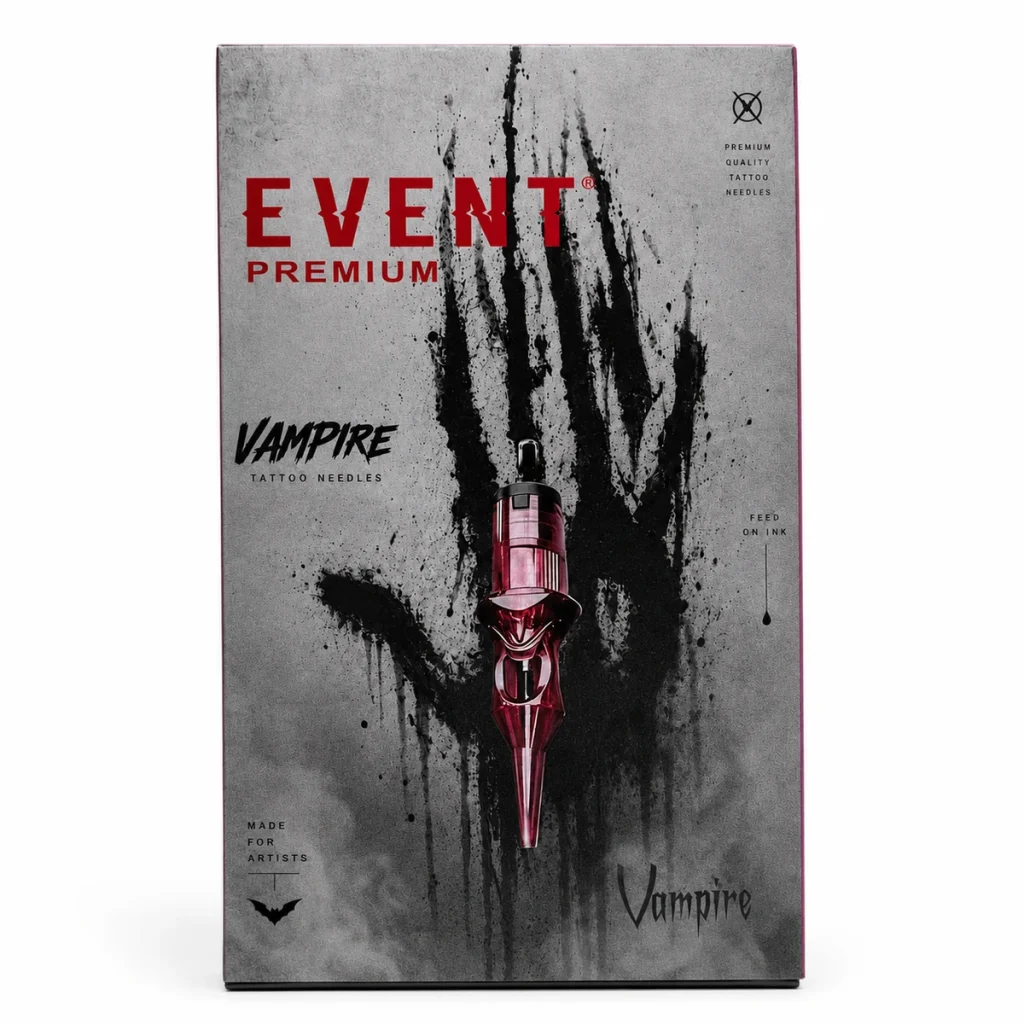
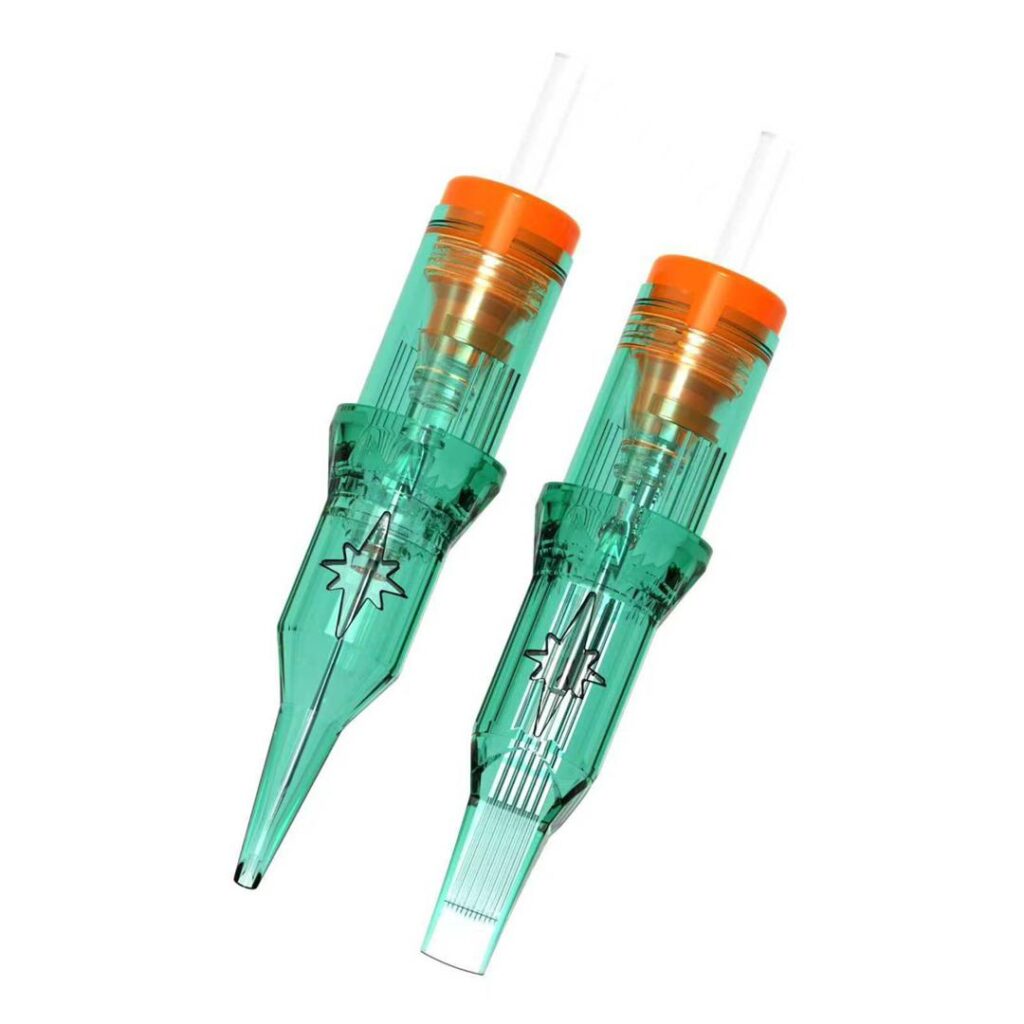
- Needle cartridges: listings start at $22.90
Do the arithmetic for your own studio. A three-artist studio with two machines each is six machines: roughly $780 (six of the lowest-priced model) to $2,700 (six of the highest), plus one shared printer at $200 to $300. A solo artist with a main machine and a backup spends roughly $260 to $900. On multi-unit orders, ask us about wholesale pricing rather than buying at the listed price.
Rent, insurance, furniture and build-out vary too much by location for us to give you a number worth trusting, so we won’t guess at them. For a closer look at what separates a $130 machine from a $450 one, see how much a tattoo machine costs.
How Do You Choose a Supplier for Your First Equipment?
Your supplier matters more than any single machine you buy from them, because you’ll be reordering for years. Before you order, check five things:
- Warranty in writing: what it covers and how long it lasts
- Spare parts: can you buy replacement batteries and parts later, or is a broken pen a dead pen?
- Cartridge compatibility: a machine that takes standard cartridges keeps you from being locked into one seller
- Support before you buy: send them a real question and see how fast, and how well, they answer. It tells you what a problem will look like later
- Bulk terms: if you’re equipping several artists, ask about wholesale pricing before you order at retail
We manufacture Event’s machines, needle cartridges and stencil printers ourselves, which is why we can stand behind them with a warranty and active support. If you’re building your first setup, start with the tattoo machines, cartridge needles and stencil printers. For picking cartridges, our needle guide explains which groupings suit which work. Equipping a whole team? Get in touch for wholesale terms.
What Small-Business Basics Do New Studio Owners Skip?
Four things, mostly because none of them involve a machine:
- Insurance. A studio without cover is one bad healing story away from a serious problem. Get quotes before you open, not after your first complaint
- Bookkeeping. Track income and expenses from day one and keep receipts for equipment. It makes tax time and any loan application much easier
- A booking and deposit system. Deposits cut no-shows, and a simple booking page saves you answering the same messages every day
- Artist agreements. If artists will rent a chair or work on commission, agree the split and each side’s responsibilities in writing before the first shift
None of it is glamorous, but it’s what keeps a studio open long enough for the tattooing to pay off.