
Yes — once a scar is fully healed and stable, it can be tattooed. The catch is that scar tissue doesn’t behave like the skin around it: it’s denser, less elastic, and takes ink less predictably, so it needs a different approach to needle choice, depth, and design than an untouched area.
Why Scar Tissue Tattoos Differently
A scar forms from collagen laid down during healing, not the same layered structure as normal skin. That collagen is usually denser and less elastic, which changes how it holds ink:
- Texture is often uneven — raised (hypertrophic) or slightly indented — so a needle that glides on normal skin can catch or skip
- Ink uptake is less consistent, which is why touch-ups are more common on scar work than on unscarred skin
- Sensation can be different for the client — some scars are numb, others are more sensitive than the surrounding area
None of that makes scar tissue impossible to work with. It makes it a different surface that deserves a plan before the machine turns on.
When Is a Scar Actually Ready to Tattoo?
Most artists won’t work over a scar until it’s fully matured — flat, pale or stable in color, and no longer changing. As a general guideline in the industry, that’s at least a year for most scars, sometimes longer for larger surgical scars. Tattooing too early, while a scar is still remodeling, is where problems come from.
Situations that call for more caution, or a referral to a dermatologist before booking:
- The scar is still red, raised, or changing shape
- The client has a history of keloid scarring
- It’s from a recent surgery or an ongoing medical treatment
- There’s any open skin, numbness spreading beyond the scar, or signs of nerve involvement
This isn’t a technique call at that point — it’s outside what a tattoo artist is qualified to clear, and saying so to the client is part of the job.
Camouflage or Cover: Two Ways to Design Around a Scar
Once a scar is cleared to work on, the design decision usually comes down to two approaches.
Camouflage routes the linework directly through the scar, using the design to break up how the eye reads the raised or indented texture. Botanical line-work is common for this because a stem or vine can follow the exact path of the scar rather than fighting it.

The same idea works on a forearm scar — the vine’s path is drawn to sit exactly on top of the scar line rather than around it, so the eye follows the ink instead of the texture underneath.

Cover is less literal — the design sits over or around the scarred area without tracing it exactly. Geometric and linear styles do this well, since straight lines and arcs can cross a scar deliberately, using it as one more line in the composition instead of hiding it.

Neither approach is universally better — it depends on the scar’s shape, the client’s style preference, and how much of the texture actually needs disguising versus incorporating.
Needle and Technique Adjustments for Scar Tissue
Scar tissue’s uneven texture and denser structure are exactly why needle configuration and depth matter more here than on regular skin:
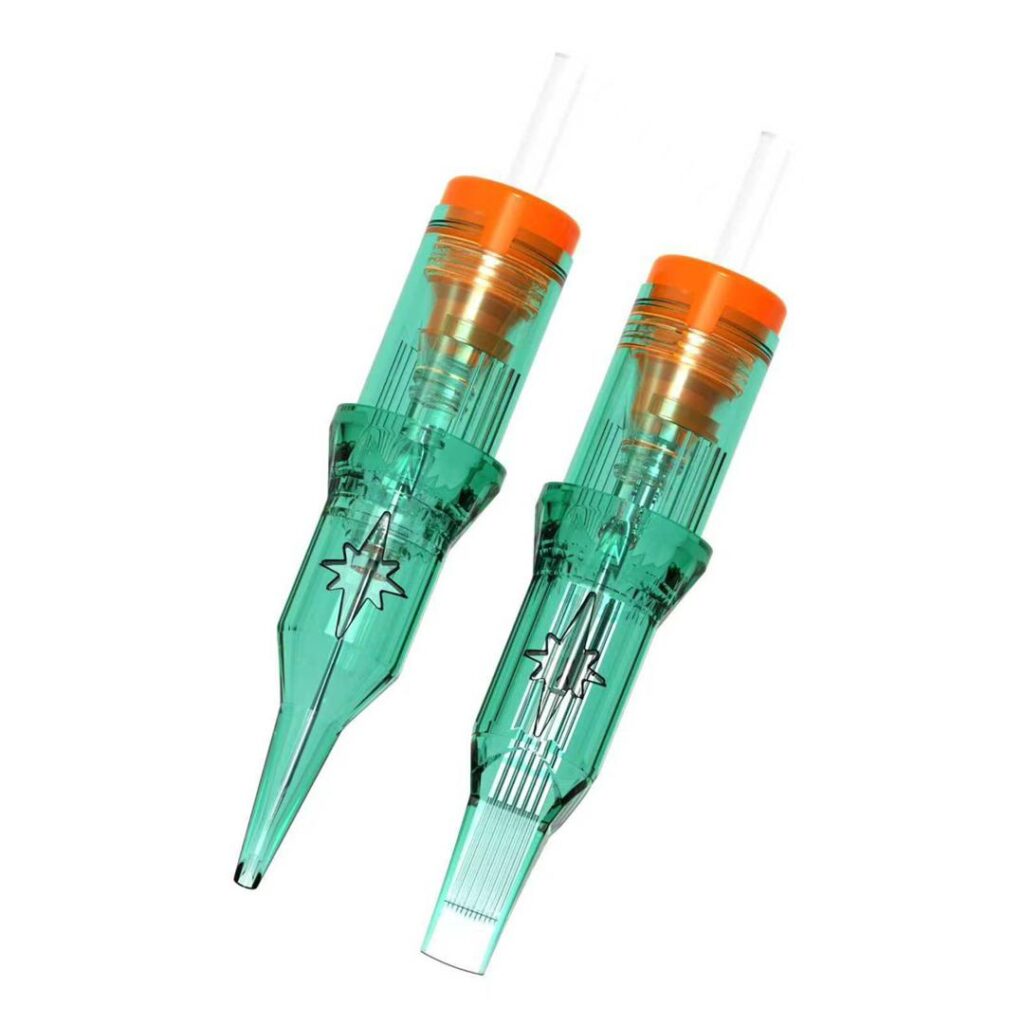
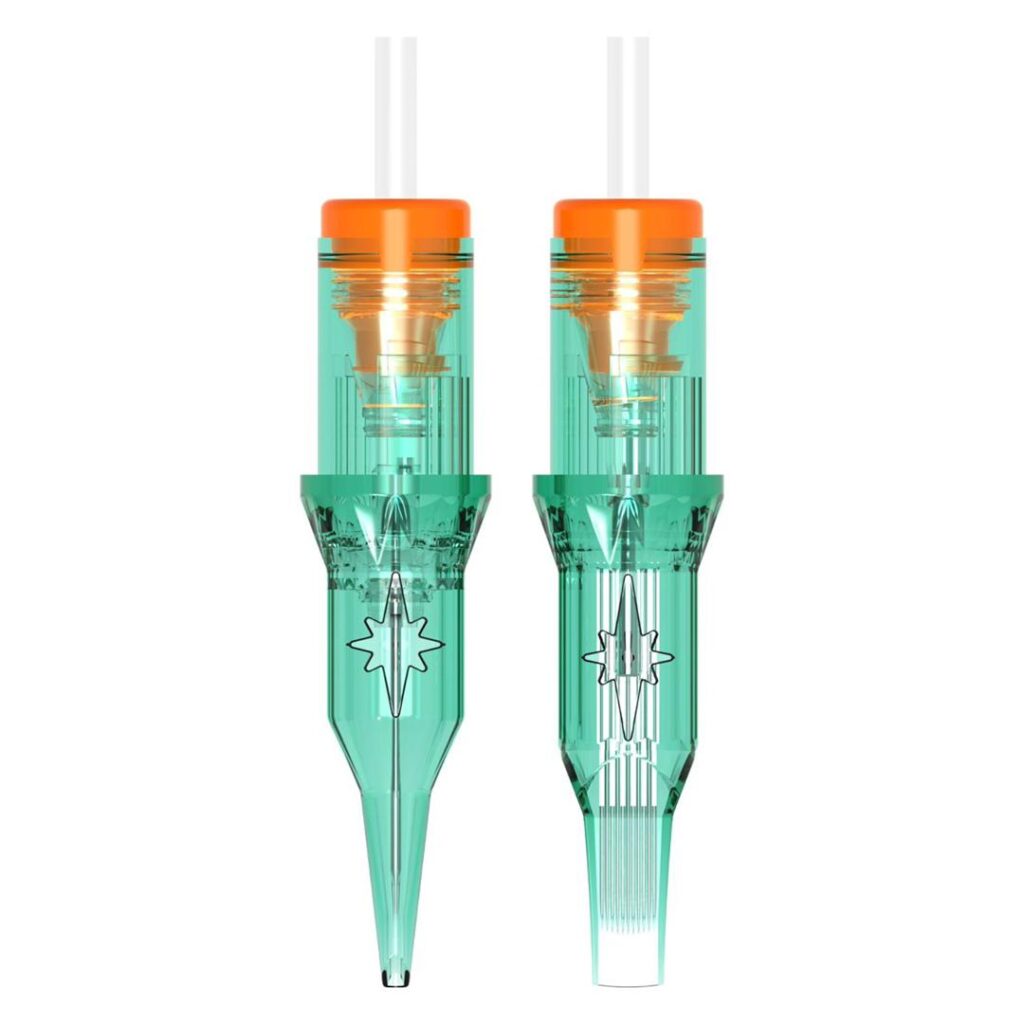
- Liner groupings generally track a raised or indented surface more predictably than tightly packed magnums
- Depth that’s correct on normal skin can be too shallow on denser scar tissue and too deep where a scar has thinned the skin — adjust by feel, not by habit
- Working a small test line on the scar itself before committing to the full design shows how that specific scar is going to take ink
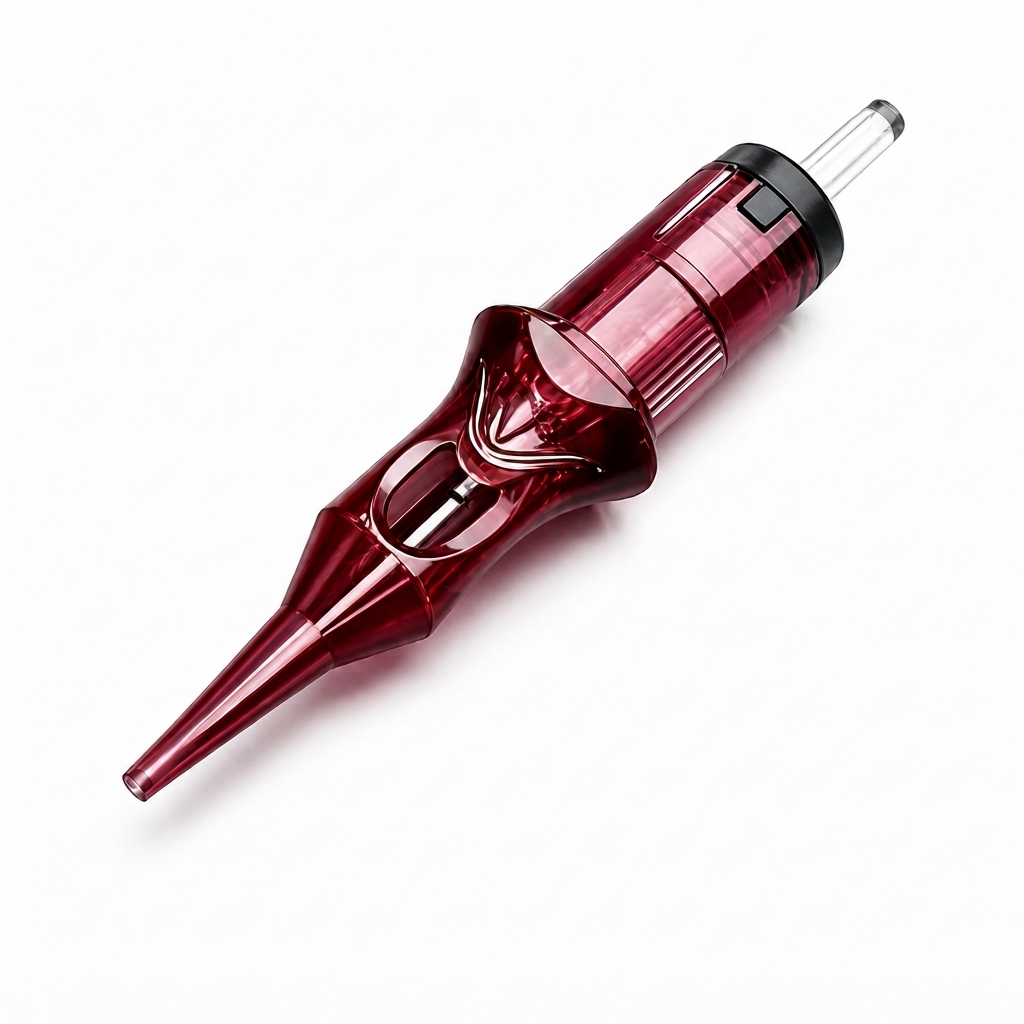
If you’re still working out which cartridge groupings suit which line weight and skin type, our guide to choosing needle cartridges goes through liner, magnum and shader configurations in more detail.
What to Tell Clients Before You Start
Set expectations before the first pass, not after:
- A touch-up session is more likely on scar work than on unscarred skin — say so up front rather than treating it as a surprise
- Results vary more from scar to scar than tattoo to tattoo on normal skin, since no two scars heal the same way
- A short consultation looking at and feeling the actual scar beats guessing from a photo — texture matters as much as appearance
A client who understands why their scar tattoo might need a second session is a client who comes back for it instead of feeling let down.