
A Complete Professional Guide to Tattoo Machines, Their History, Evolution, and Modern Use
Tattooing has evolved dramatically over the last century. From primitive hand tools to modern wireless pen machines, tattoo devices have continuously adapted to meet the demands of artists, clients, hygiene standards, and technological progress.
If you’re building your tattoo career—or investing in equipment for long-term growth—understanding all kinds of tattoo devices is essential. Each type emerged during a specific era, solved particular problems, and changed the way artists worked.
Below is a detailed, professional breakdown of every major tattoo device type: their history, peak relevance, users, pros and cons, and whether they are still worth owning today.
1. Traditional Hand-Poke (Stick-and-Poke) Tools
Historical Background
Before electric tattoo machines existed, tattooing was performed manually. Indigenous cultures across Polynesia, Japan, Southeast Asia, and the Americas used hand tools made from bone, bamboo, or metal.
Modern hand-poke tattooing evolved from these traditions.
When It Was Most Relevant
- Pre-1890s (before electric machines)
- Cultural and tribal tattooing eras
- Prison tattooing culture (20th century)
Who Used It Most
- Indigenous tattoo masters
- Traditional cultural practitioners
- Modern minimalist tattoo artists
- DIY/prison tattoo culture
Why It Was Used
Because it was the only method available. It required no electricity and minimal tools.
Pros
- Extremely low equipment cost
- Minimal mechanical failure
- Quiet and intimate process
- Often less traumatic to the skin
Cons
- Slow process
- Limited shading capabilities
- Less consistency in inexperienced hands
- Not practical for large-scale work
What It Changed Into
The need for speed and efficiency led directly to the invention of electric tattoo machines in the late 19th century.
Should You Get One?
Only if you specialize in fine-line or traditional hand-poked aesthetics. It is niche but respected.
2. Coil Tattoo Machines
History and Origin
The modern tattoo machine traces back to Thomas Edison’s electric pen (1876). In 1891, Samuel O’Reilly modified it into the first electric tattoo machine.
By the early 1900s, coil machines became the dominant design.
When It Was Most Relevant
- 1900s–2010s (peak dominance)
- Golden era of American traditional tattooing
- Heavy black and bold line styles
Who Used It Most
- Traditional tattoo artists
- American traditional specialists
- Japanese traditional artists
- Street shop artists
Why It Became Popular
- Powerful and punchy
- Strong lining capability
- Adjustable and customizable
Pros
- Extremely powerful
- Great for bold lines
- Highly customizable (springs, coils, tuning)
- Durable when maintained
Cons
- Heavy and noisy
- Requires tuning knowledge
- More maintenance
- Needs power supply, clip cord, foot pedal
What It Changed Into
As artists demanded lighter, smoother machines, coil machines gradually gave way to rotary designs.
Are They Still Used?
Yes. Many traditional artists still prefer coils for lining due to their hard-hitting performance.
Should You Get One?
If you want deep understanding of tattoo mechanics or specialize in bold traditional work, yes. Otherwise, modern alternatives may offer better efficiency.
3. Rotary Tattoo Machines
History
Rotary machines appeared in the 1970s but gained serious popularity in the 2000s as motors improved.
Unlike coils, they use a rotating motor to move the needle.
When They Became Relevant
- 2000–2018 surge
- Rise of realism and smooth shading
- Growth of European tattoo styles
Who Used Them Most
- Realism artists
- Black and grey specialists
- Artists seeking lighter machines
Why They Grew Popular
- Smoother operation
- Less vibration
- Lighter weight
- Lower maintenance
Pros
- Quiet
- Consistent motor-driven motion
- Good for long sessions
- Easier learning curve
Cons
- Less “punch” than coils (depending on motor)
- Early models lacked power
- Still required cables and power supply
Evolution
Rotary machines evolved into cartridge-compatible systems and eventually into pen-style machines.
Should You Get One?
Yes, if you prefer smooth operation and versatility. Many artists transitioned from coils to rotaries permanently.
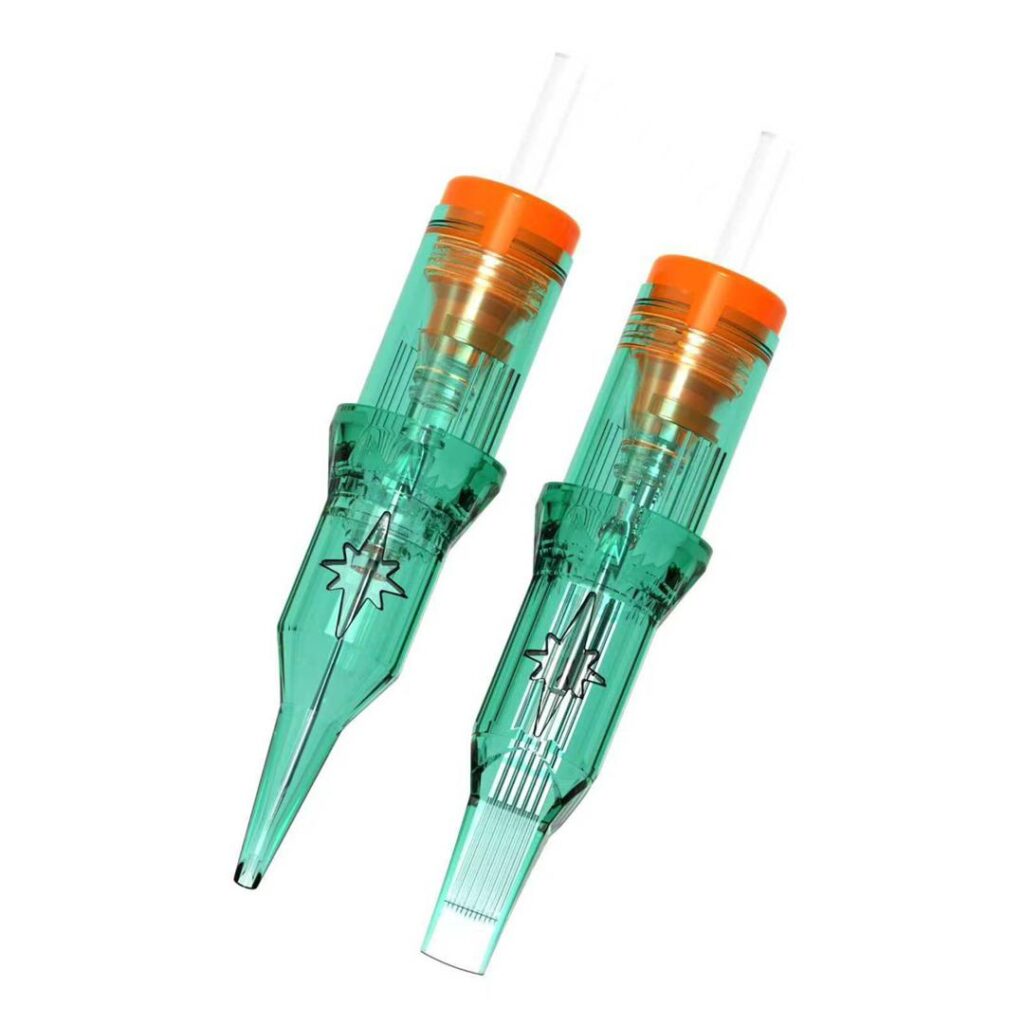
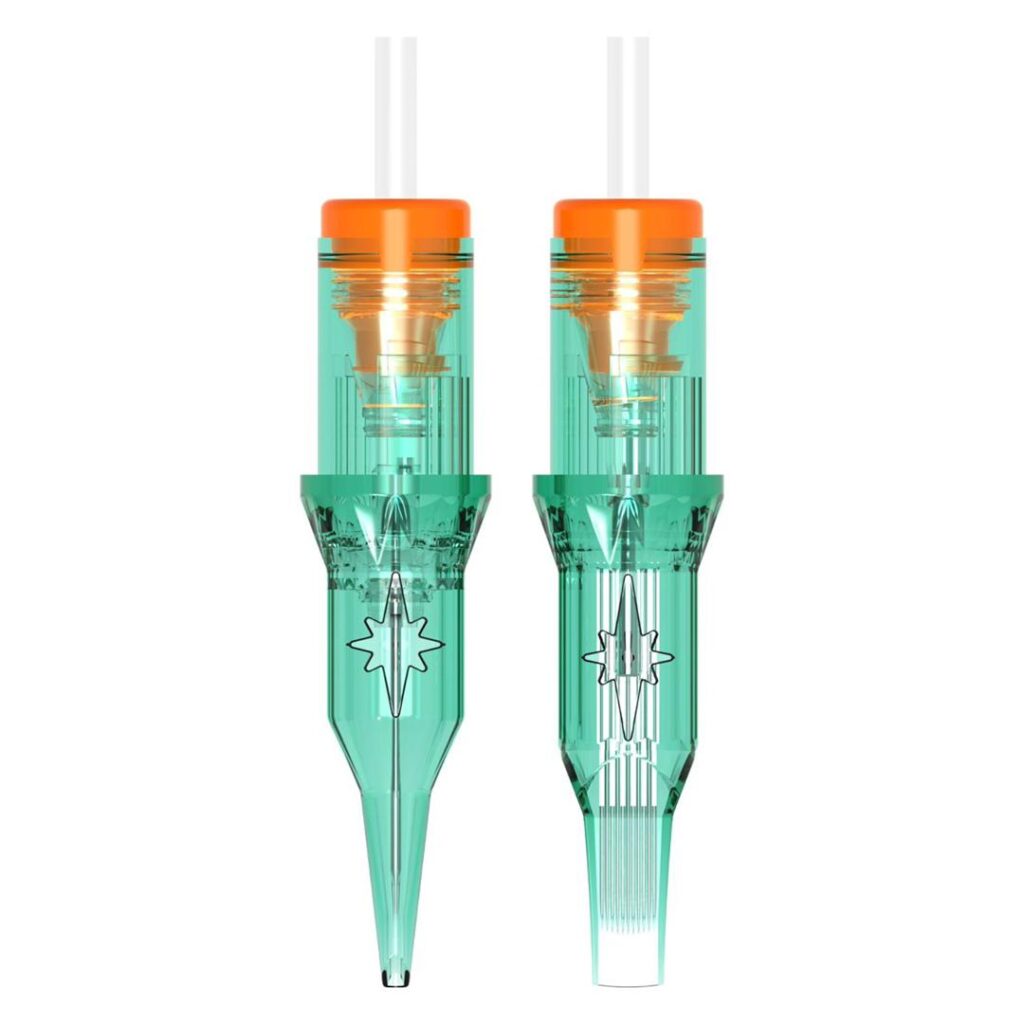
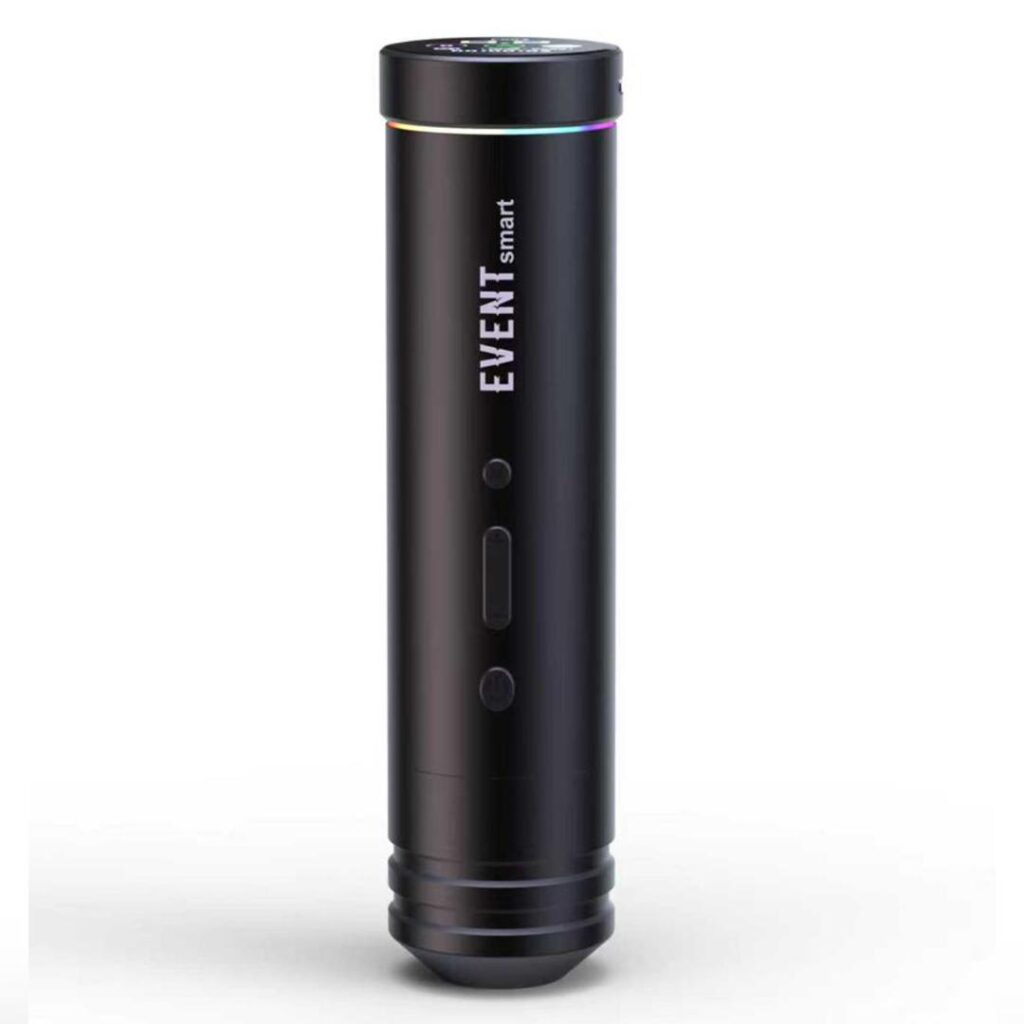
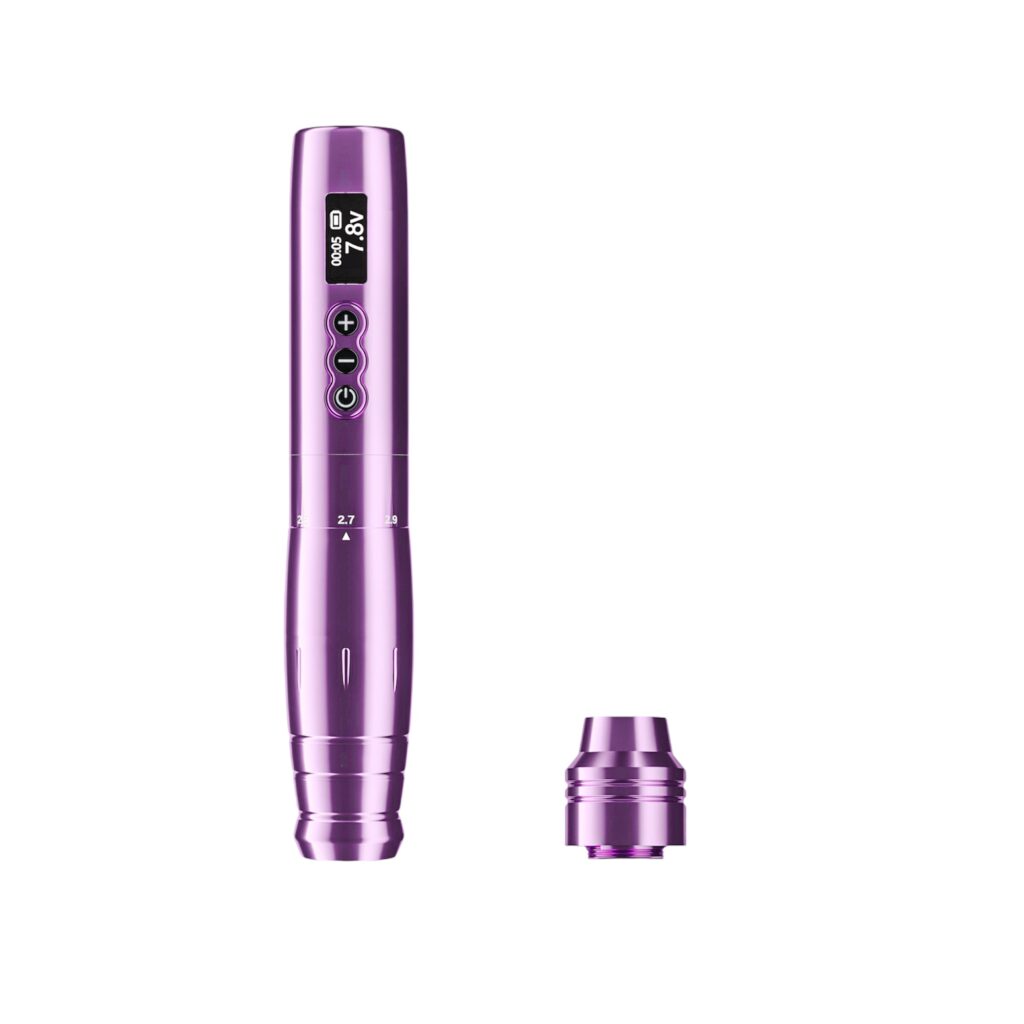
4. Tattoo Pen Machines (Cartridge Systems)
History
Pen machines emerged in the 2010s, inspired by rotary motors but designed in a pen-like ergonomic form.
They became extremely popular when cartridge needle systems improved.
When They Dominated
- 2015–present
- Social media tattoo boom
- Fine line and realism growth
Who Uses Them Most
- Fine line artists
- Realism artists
- Modern studio professionals
- Artists valuing hygiene efficiency
Why They Became Dominant
- Lightweight and ergonomic
- Easy cartridge swapping
- Minimal tuning
- Cleaner setup
Pros
- Comfortable grip
- Quick needle change
- Consistent performance
- Beginner-friendly
Cons
- Less customizable than coils
- Dependent on cartridge quality
- Higher initial cost
Evolution
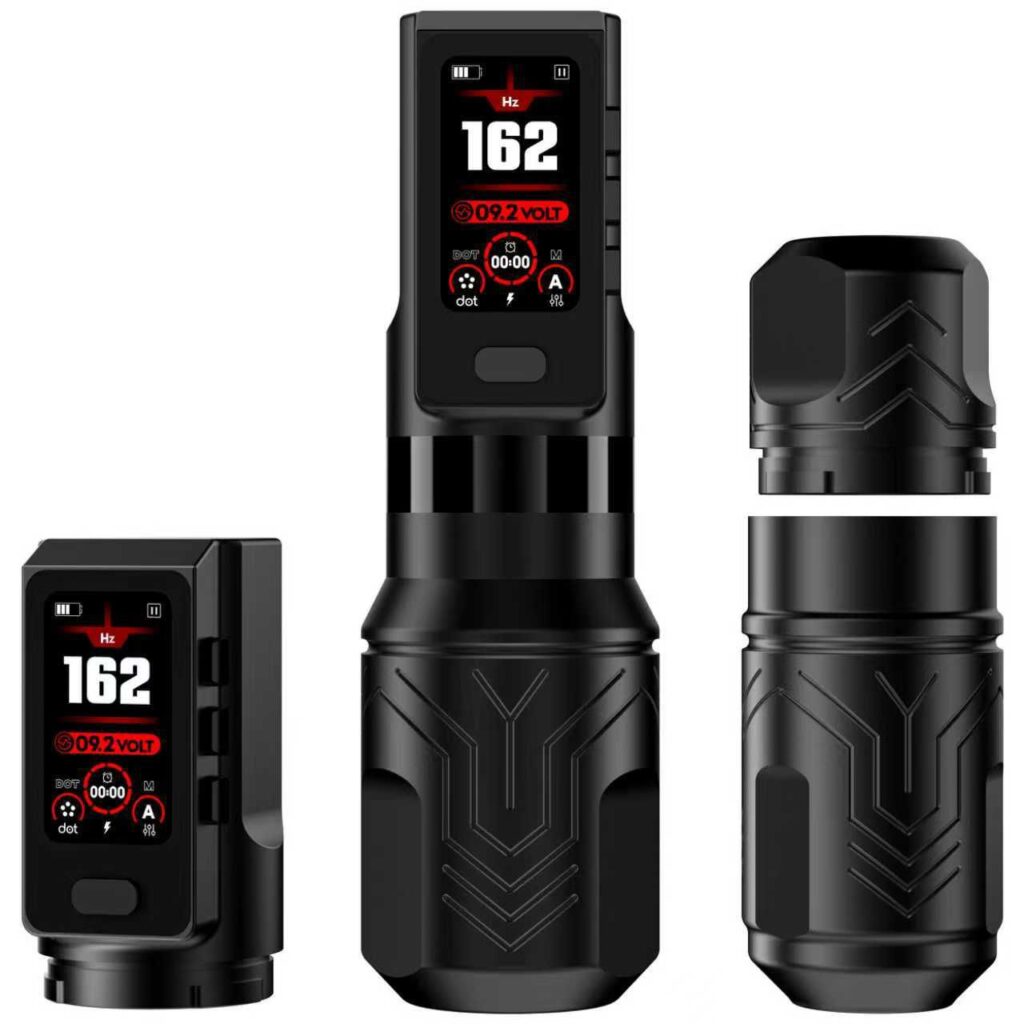
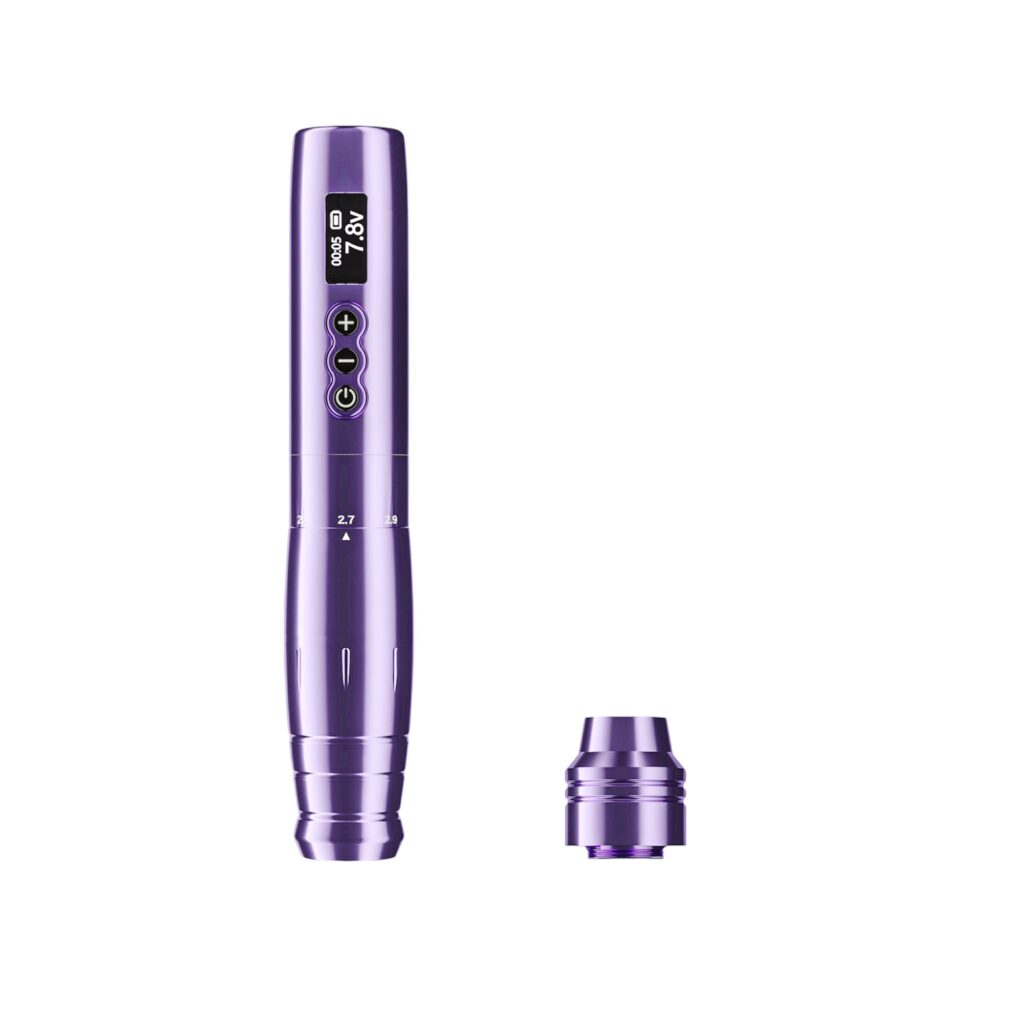
Pen machines evolved into wireless tattoo machines, integrating batteries directly into the device.
Should You Get One?
For most modern artists: yes. They represent today’s industry standard.
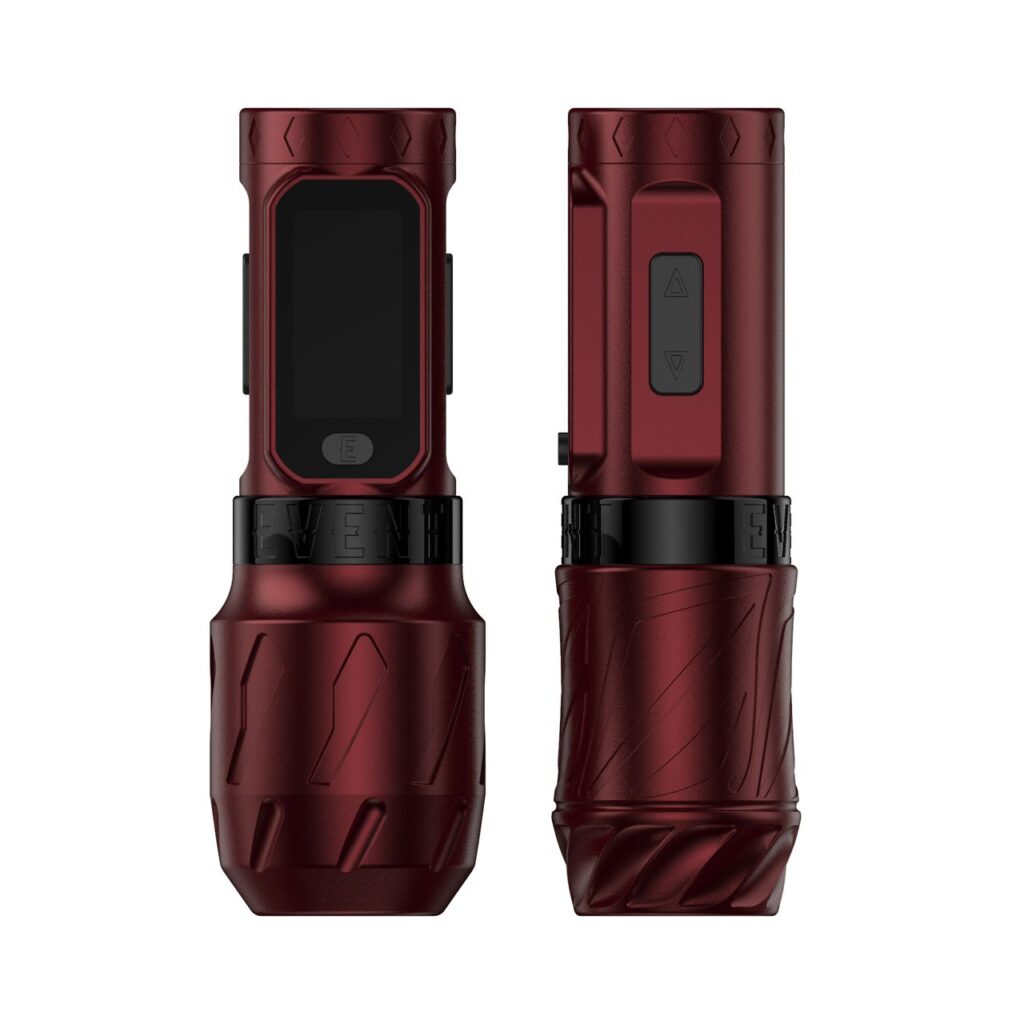
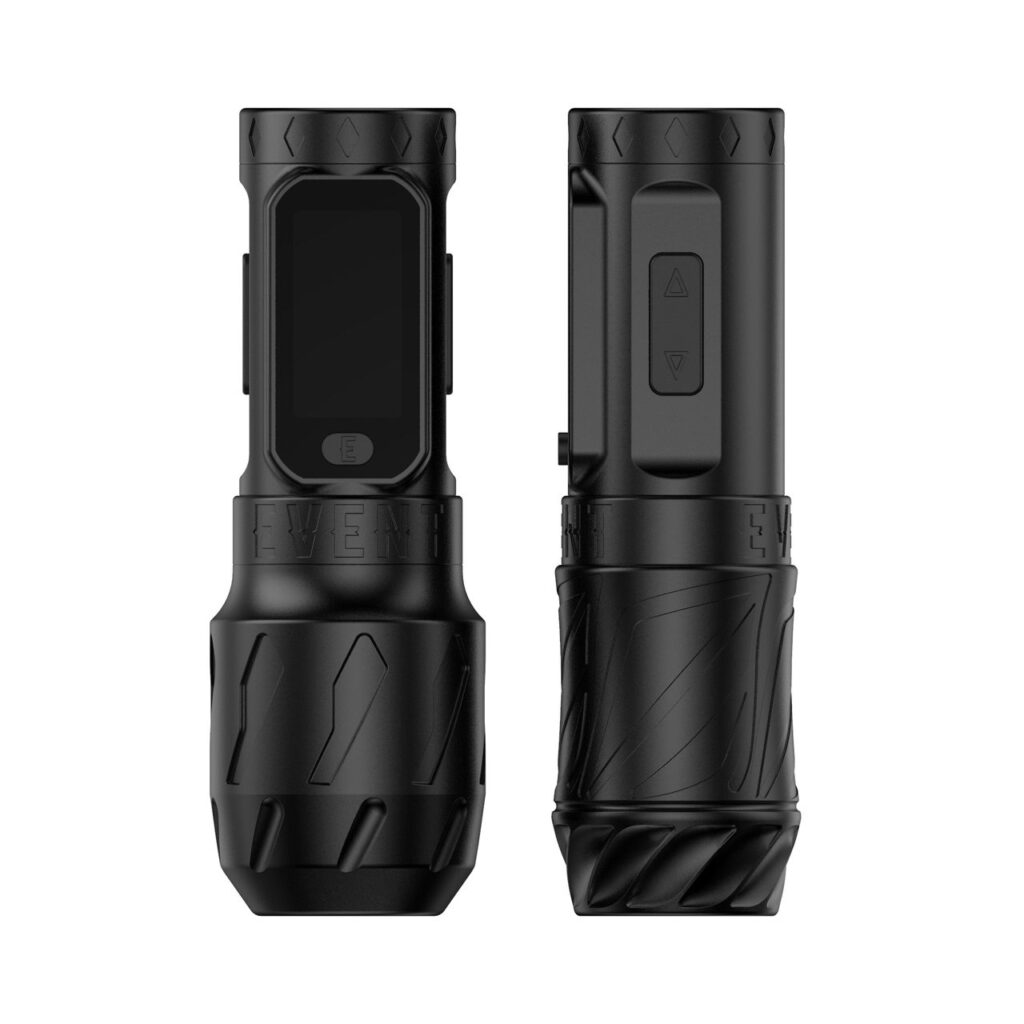
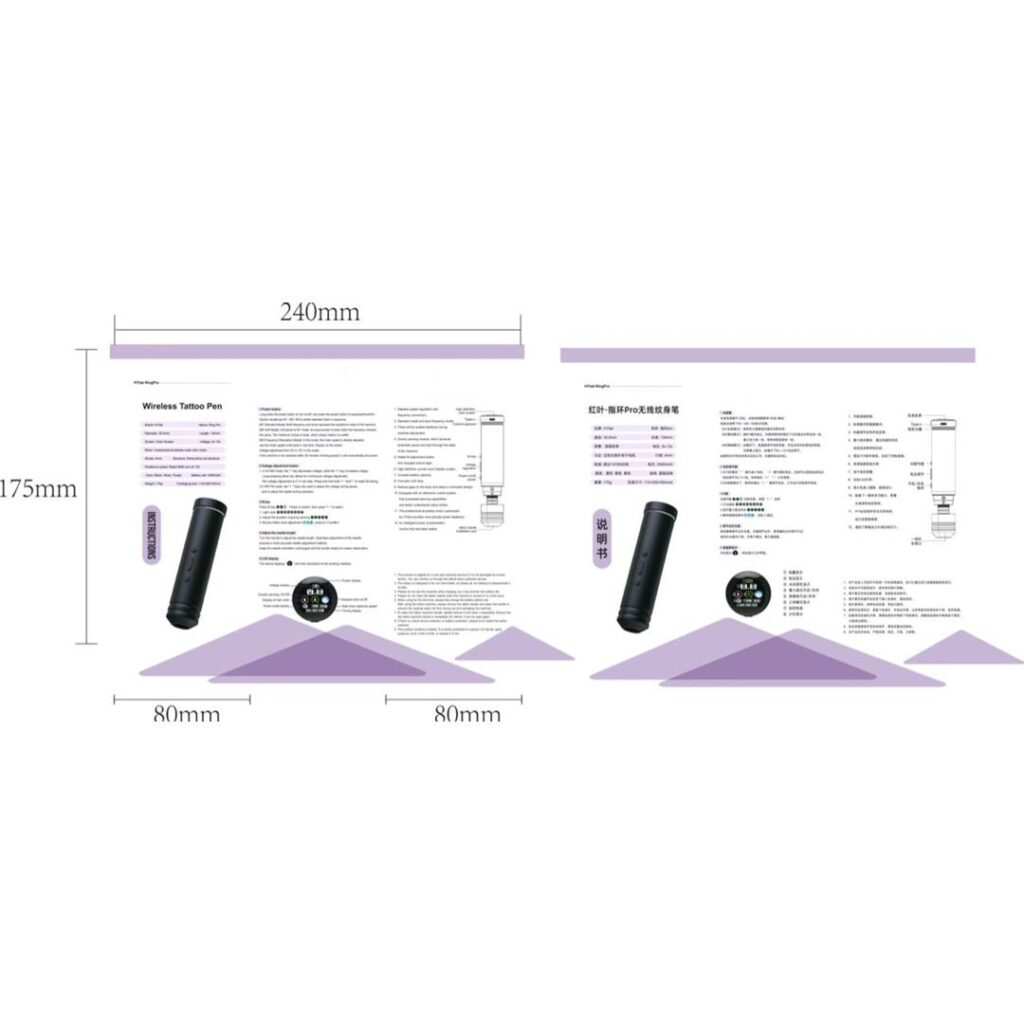
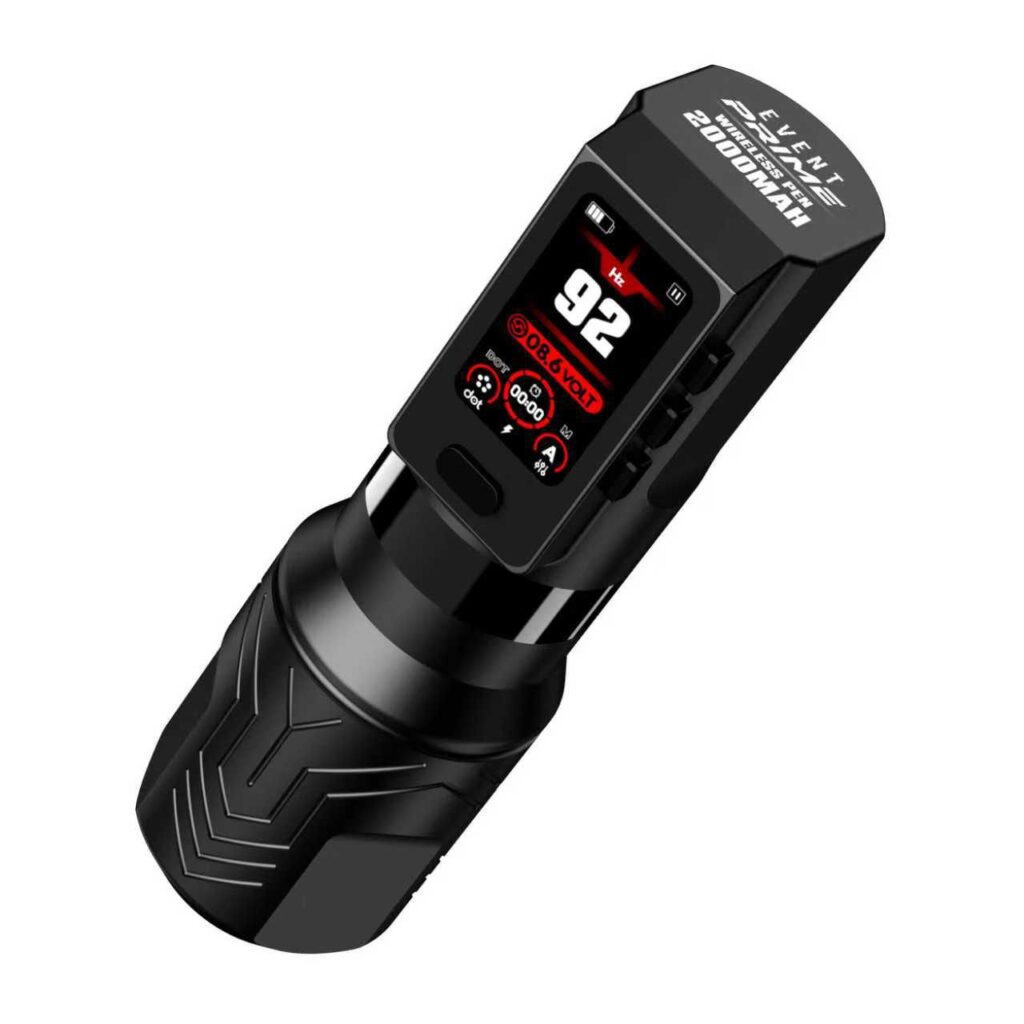
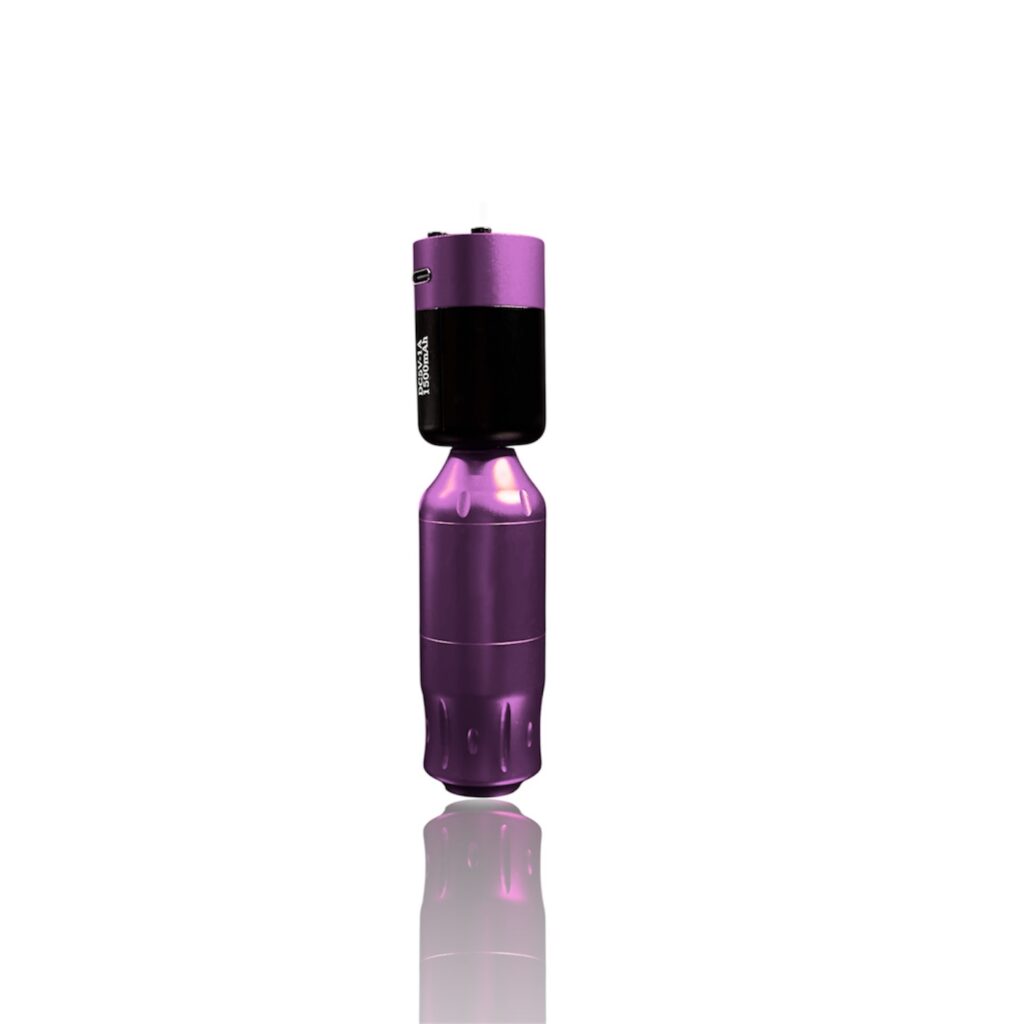
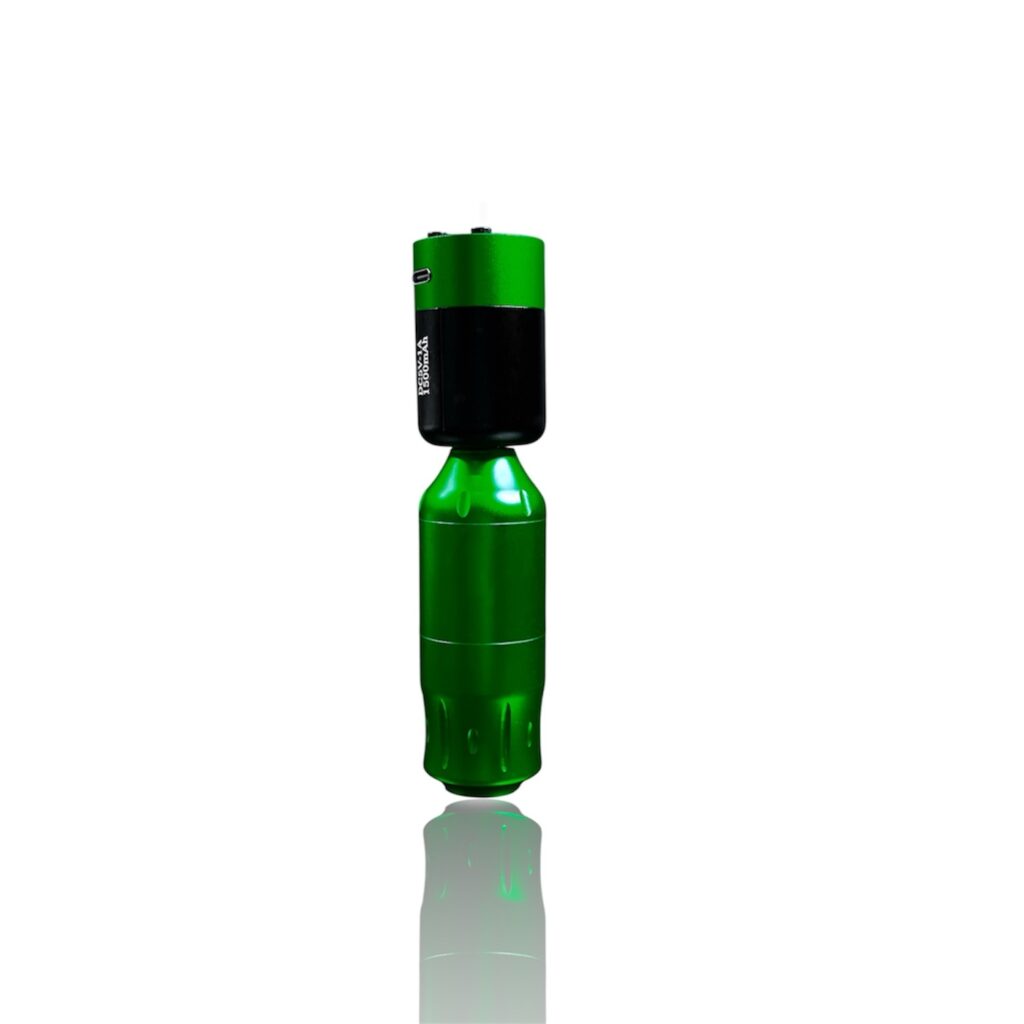
5. Wireless Tattoo Machines
History
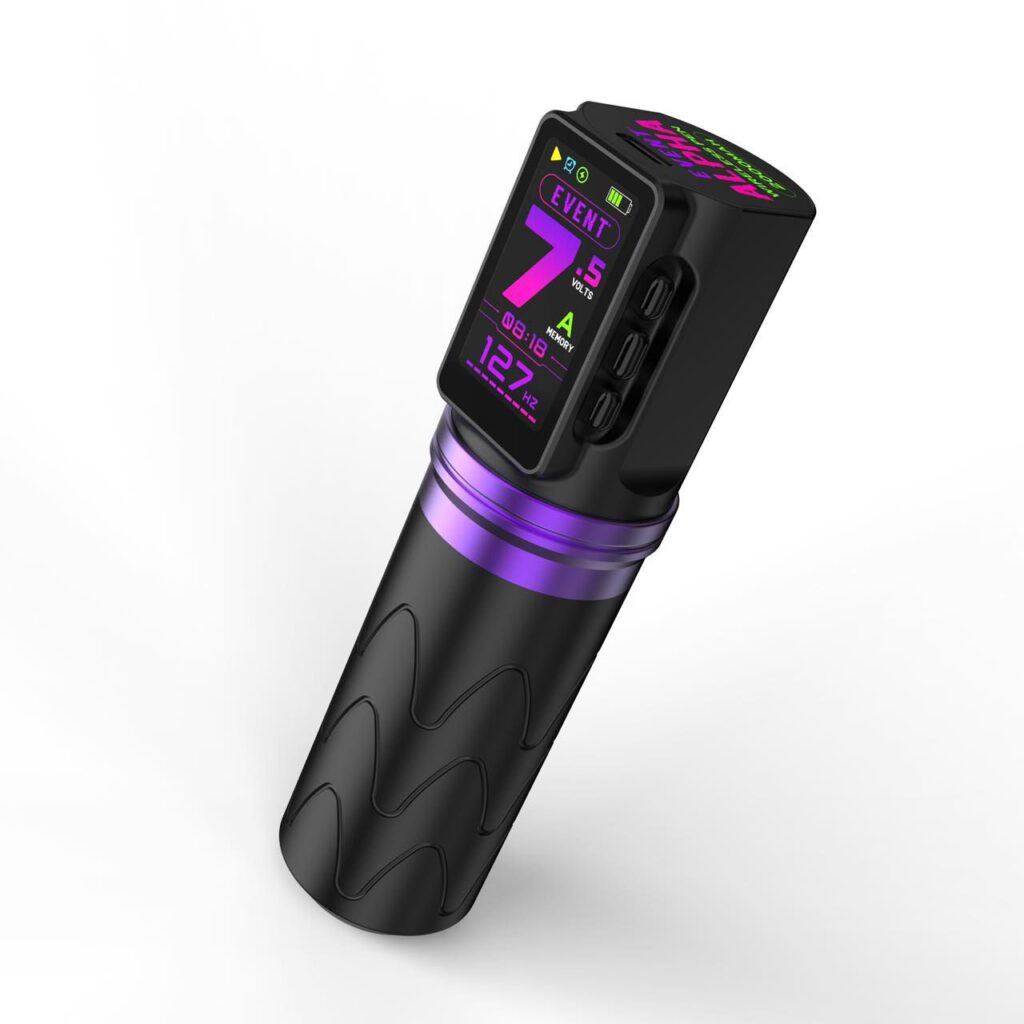
Wireless machines became mainstream around 2018–2020 as battery technology improved.
They removed the need for power supplies and cables.
When They Became Most Relevant
- Post-2020 era
- Convention culture growth
- Mobile tattooing demand
Who Uses Them Most
- Traveling artists
- Event and convention artists
- Modern studio professionals
- Minimalist workstation setups
Why They Became Popular
- No cables
- Faster setup
- Clean workstation
- Increased mobility
Pros
- Maximum portability
- Reduced clutter
- Quick setup/breakdown
- Professional appearance
Cons
- Battery dependency
- Heavier rear balance
- Higher cost
- Requires charging management
What They Changed
They transformed tattoo stations into minimalist setups and reduced reliance on bulky equipment.
Should You Get One?
If mobility, events, or clean setups matter to you—yes. Many modern artists now use wireless as their primary device.
6. Pneumatic Tattoo Machines (Rare Category)
History
Introduced in the early 2000s, pneumatic machines used compressed air instead of coils or motors.
Why They Were Created
- Fully autoclavable
- Designed for medical-level sterilization
Why They Didn’t Dominate
- Required air compressor
- Complex setup
- Higher cost
Are They Still Used?
Rarely. Mostly replaced by cartridge systems and improved sterilization practices.
Summary: The Evolution of Tattoo Devices
- Hand tools → cultural origins
- Coil machines → mechanical power era
- Rotary machines → smoother motor era
- Pen machines → ergonomic cartridge era
- Wireless machines → mobility and minimalism era
Each evolution solved the limitations of the previous generation.
Which Tattoo Device Is Used the Most Today?
Currently, wireless pen-style tattoo machines dominate the industry.
Why?
- Portability
- Cartridge efficiency
- Minimal setup
- Cleaner workstations
- Professional appearance
- Adaptability across styles
Coil machines are still respected, but the majority of modern artists—especially new-generation professionals—prefer wireless pen machines for versatility and efficiency.
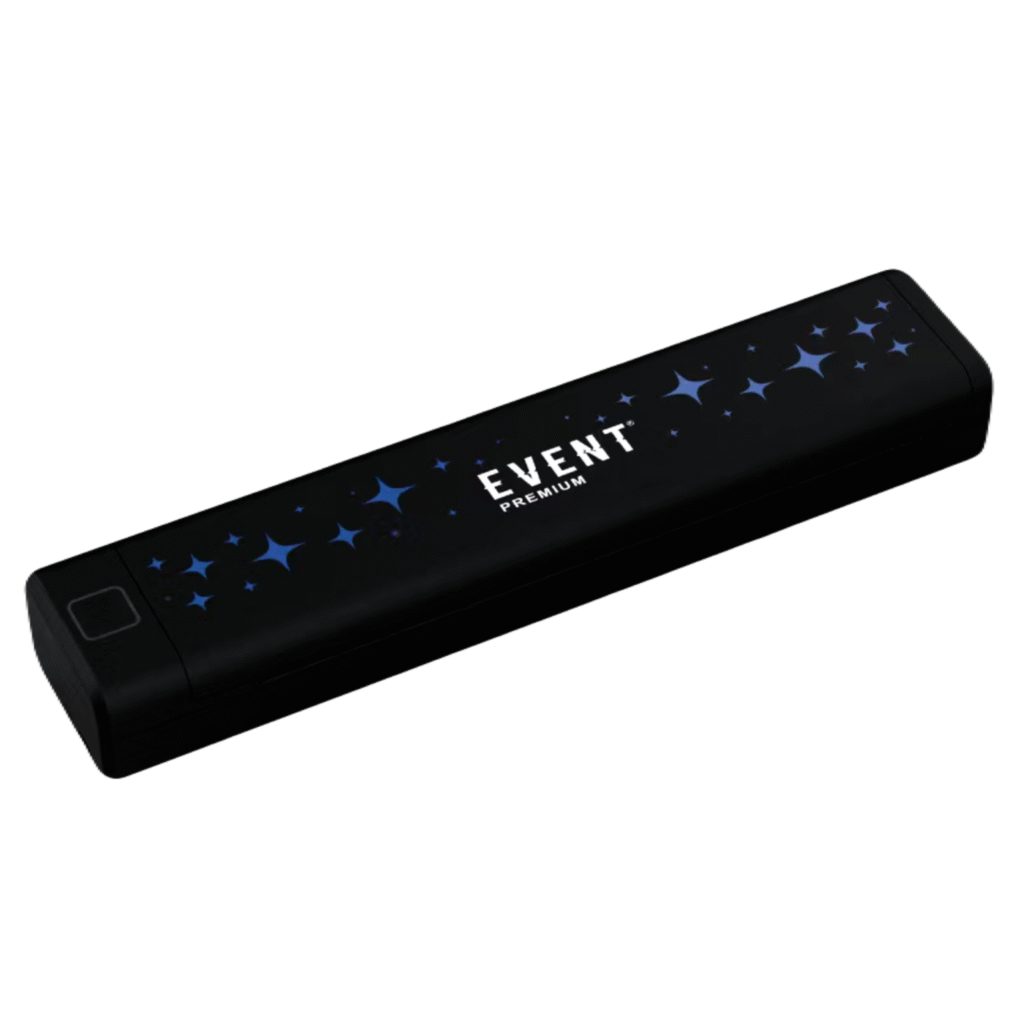
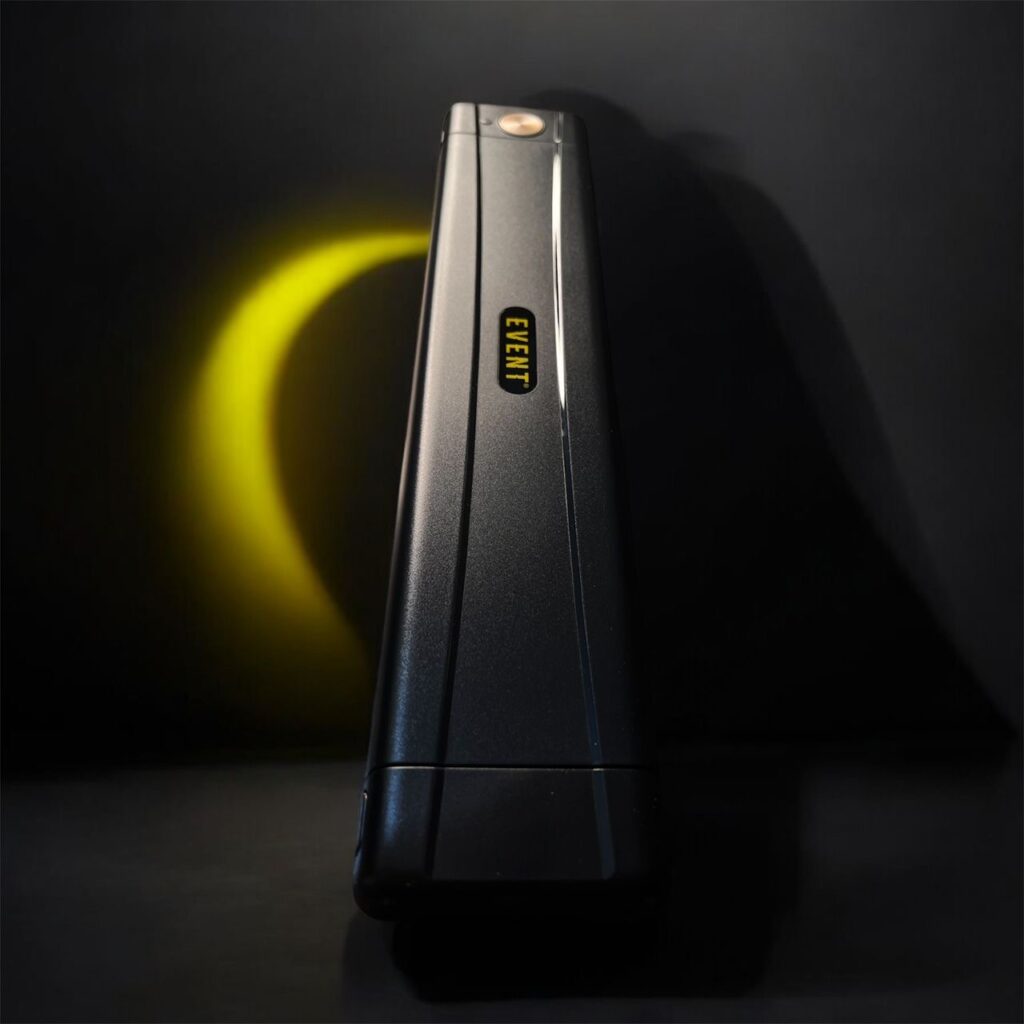
Feel free to check Event Tattoo Pens if you’re looking for a high quality Tattoo machine for best pricing
Comparison Chart of Tattoo Devices
| Device Type | Era of Peak Use | Power Source | Who Uses It Most | Pros | Cons | Still Relevant? |
|---|---|---|---|---|---|---|
| Hand-Poke | Pre-1900s | Manual | Traditional artists | Simple, low cost | Slow | Niche |
| Coil | 1900–2015 | Electromagnetic | Traditional artists | Powerful, customizable | Heavy, noisy | Yes |
| Rotary | 2000–2018 | Motor | Realism artists | Smooth, quiet | Less punch | Yes |
| Pen Machine | 2015–Present | Motor + PSU | Modern artists | Ergonomic, efficient | Cost | Yes |
| Wireless Pen | 2018–Present | Battery | Event & modern artists | Portable, clean | Battery limits | Dominant |
| Pneumatic | Early 2000s | Air compressor | Medical setups | Autoclavable | Complex | Rare |
Final Professional Insight
If you are building your career today, the most future-proof choice is a high-quality wireless pen machine. It combines portability, efficiency, and modern workflow expectations.
However, understanding coil machines and traditional systems gives you deeper mechanical knowledge and appreciation for the craft.
The best artists don’t just buy tools—they understand the evolution behind them.