
A professional friend’s guide for tattoo artists who care about quality, control, and long-term value
Choosing the right tattoo power supply is one of those decisions that quietly shapes your entire tattooing experience. It affects line consistency, shading smoothness, machine lifespan, and even how confident you feel while tattooing.
If you’re building your tattoo artist career and want to invest wisely instead of buying twice, this guide will walk you through exactly what matters—and what doesn’t—when choosing a tattoo power supply.
What Is a Tattoo Power Supply (and Why It Matters More Than You Think)
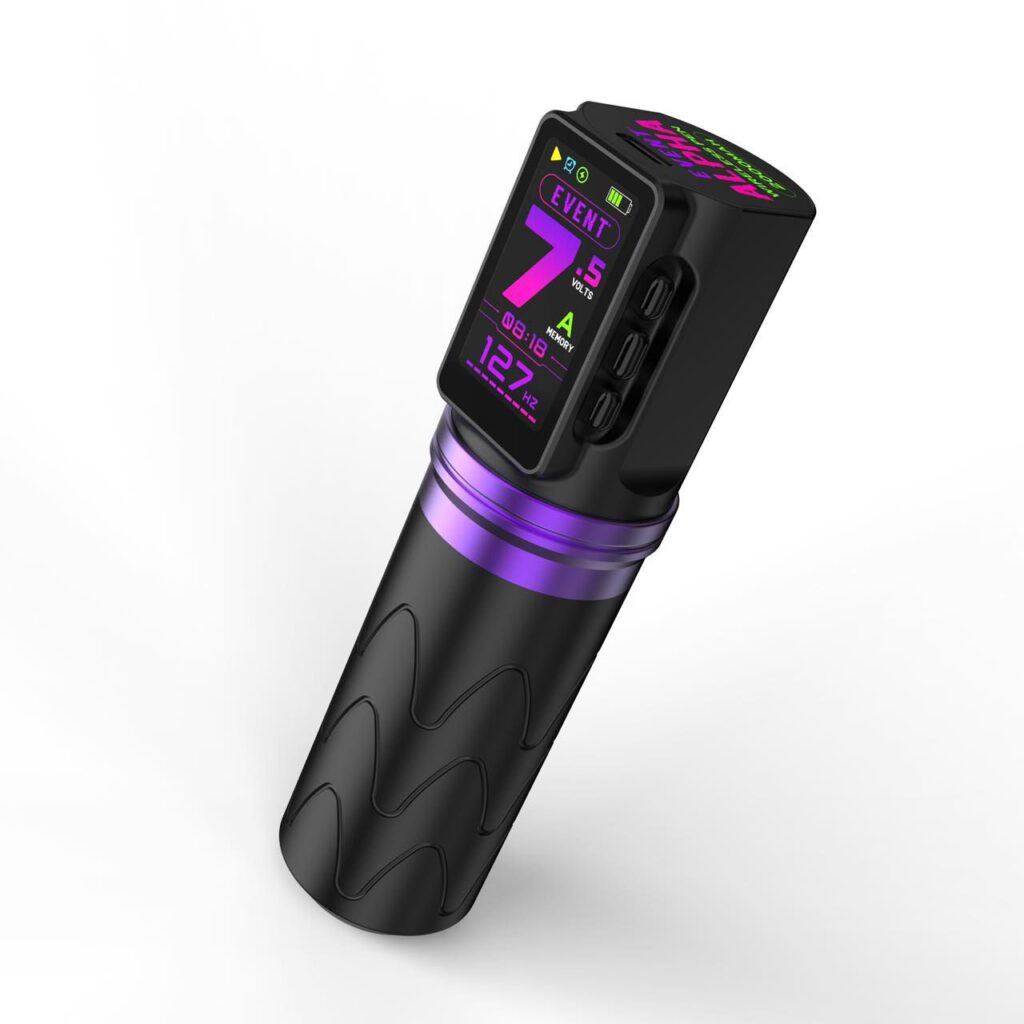
A tattoo power supply regulates the voltage sent to your tattoo machine. That voltage controls how hard and fast your machine runs.
A stable, reliable power supply means:
- Cleaner lines
- Smoother shading
- Less machine stress
- More predictable results
An unstable or low-quality power supply can cause voltage fluctuations, inconsistent needle movement, and unnecessary wear on your machine—problems that slow your growth as an artist.
Types of Tattoo Power Supplies
Digital Tattoo Power Supplies
Most modern artists choose digital units because they offer:
- Precise voltage control
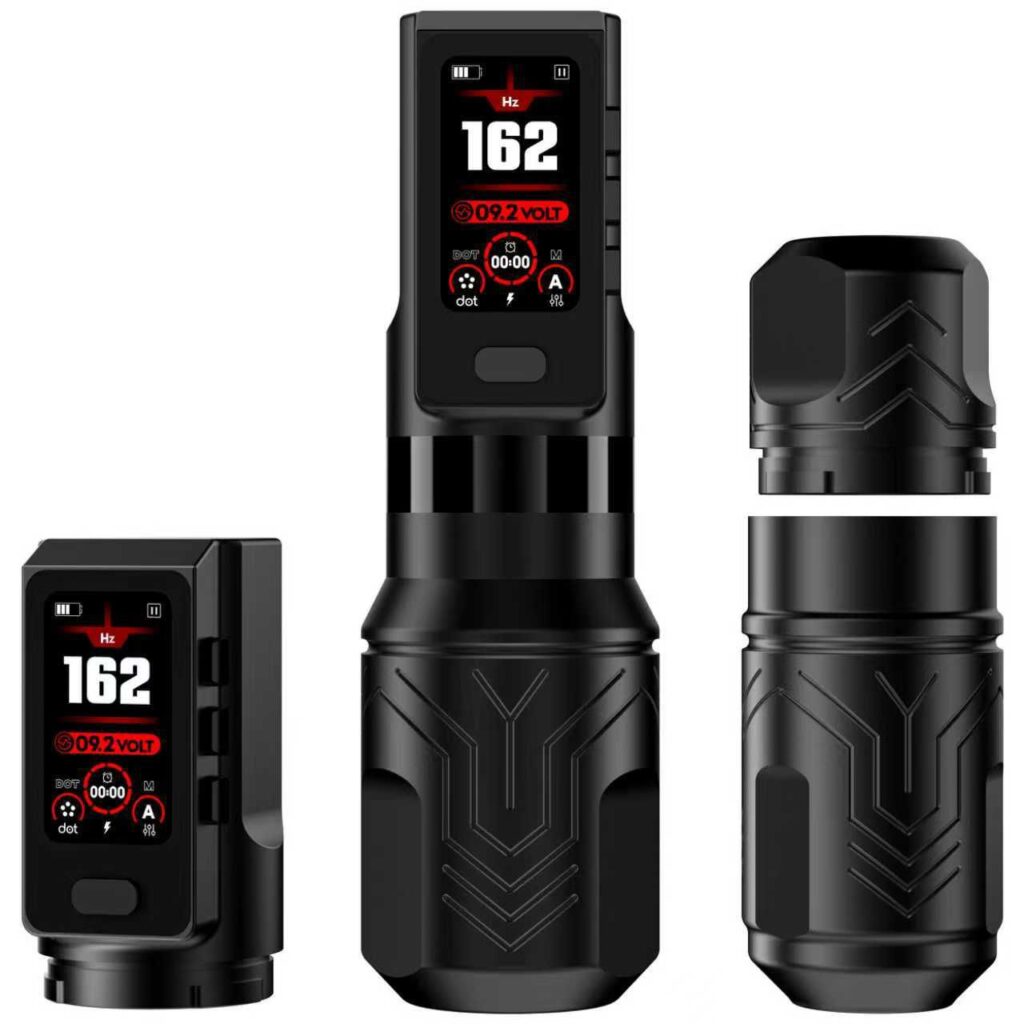
- Clear LED/LCD displays
- Memory presets
- More consistent output
They’re beginner-friendly and ideal for artists who want control and repeatability.
Analog Tattoo Power Supplies
These use a dial instead of a digital display. They’re simple and durable but less precise. Some traditional artists love them, but for learning and consistency, digital is usually the better choice.
Wired vs Wireless Power Supplies
- Wired: Reliable, affordable, and perfect for studio setups
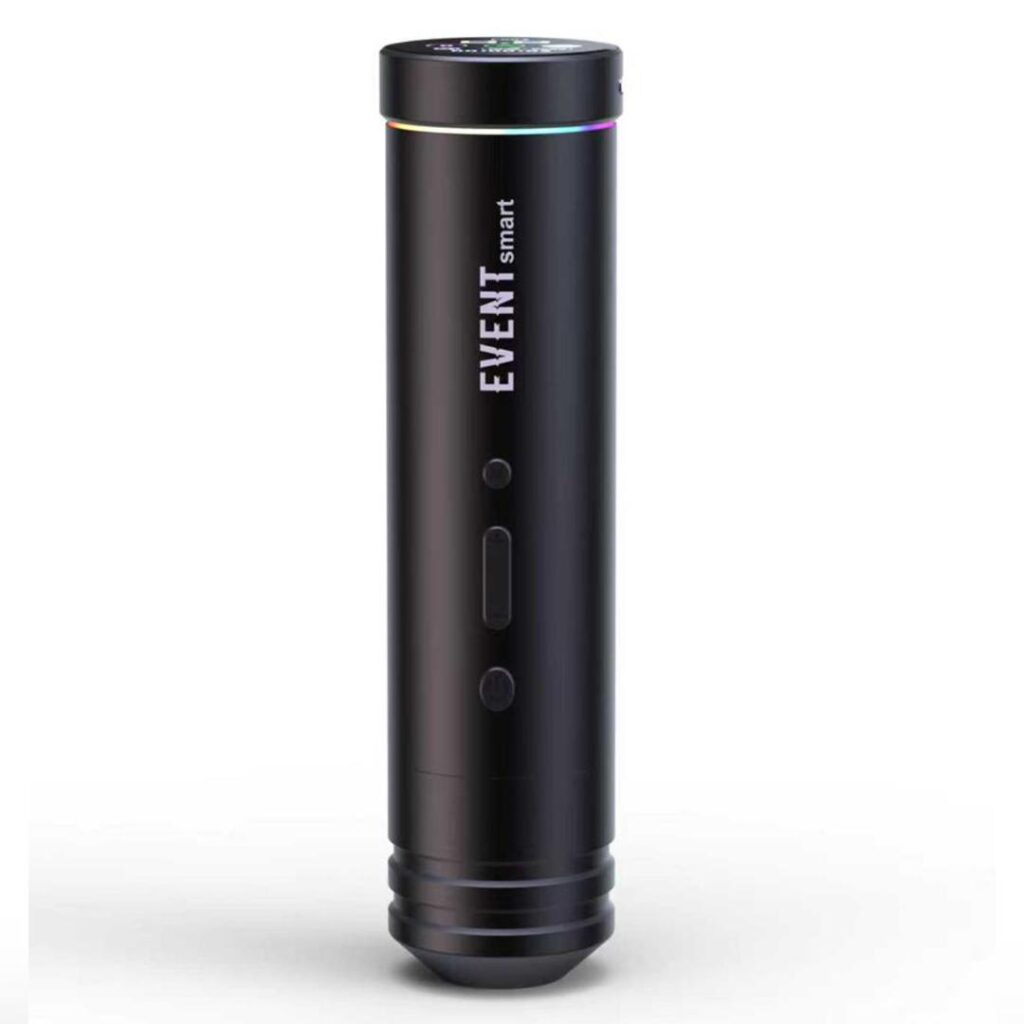
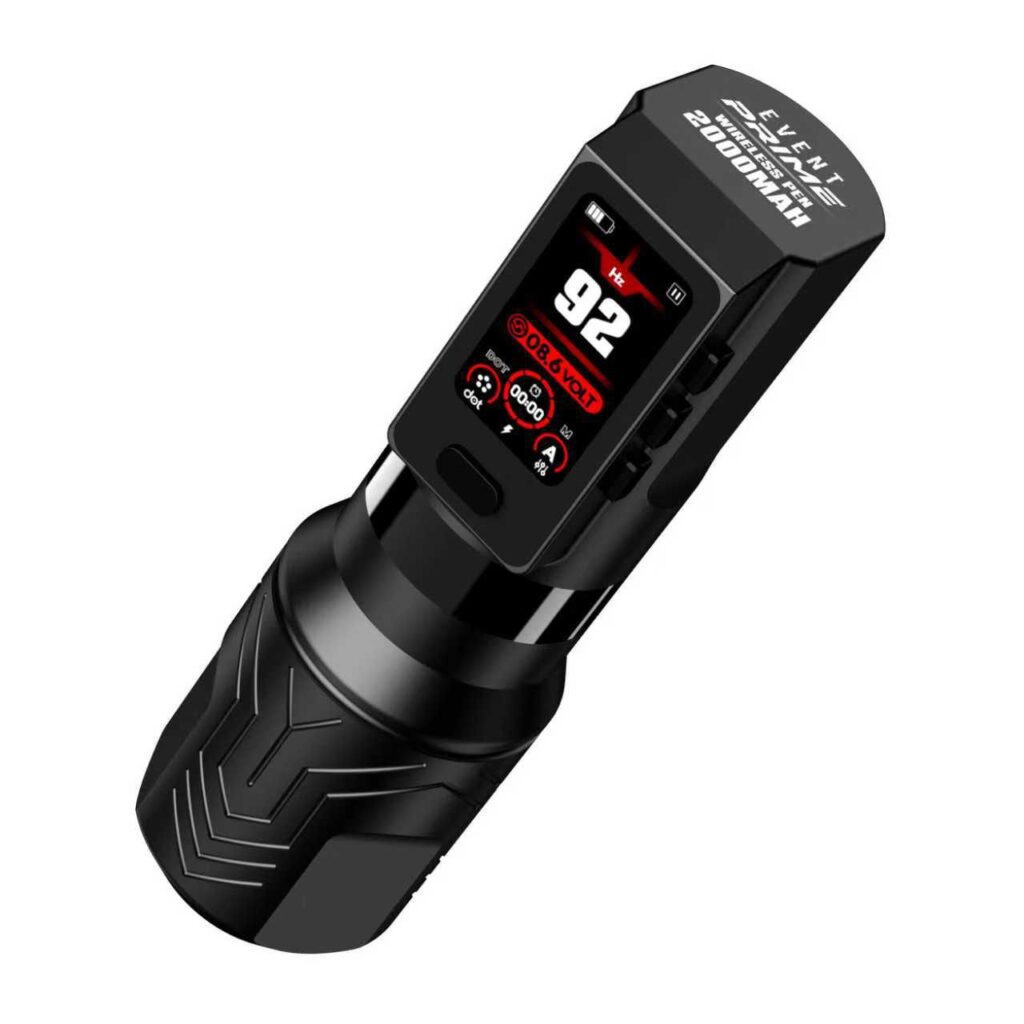
- Wireless: Portable and clean-looking, but usually more expensive
If you’re early in your career, wired power supplies often provide better value and fewer limitations.
Key Factors to Consider Before Buying a Tattoo Power Supply
1. Voltage Range & Stability
Look for a power supply that offers:
- A range of 4–12 volts (or wider)
- Smooth voltage adjustment
- Minimal fluctuation under load
Stable voltage matters more than maximum voltage.
2. Compatibility With Tattoo Machines
Not all power supplies work equally well with every machine. Make sure it supports:
- Rotary machines
- Pen-style machines
- Coil machines (if you use them)
A versatile power supply allows you to grow without replacing gear.
3. Build Quality & Durability
Cheap plastic housings, loose ports, and flimsy buttons don’t last. A solid tattoo power supply should feel:
- Well-weighted
- Secure at connection points
- Designed for daily use
Quality construction equals long-term value.
4. Ease of Use & Display Clarity
When you’re focused on tattooing, you don’t want to fight your equipment. Prioritize:
- Clear voltage display
- Simple controls
- Quick voltage adjustments
Professional tools should make your workflow easier, not slower.
5. Foot Pedal & Accessory Support
Check that the power supply supports:
- Standard foot pedals
- Clip cords or RCA connections
- Dual machine inputs (optional but useful)
Matching Your Power Supply to Your Tattoo Style
Different tattooing tasks require different voltage behavior:
- Lining: Stable, punchy voltage
- Shading: Smooth, adjustable control
- Color packing: Consistent power under load
A good power supply adapts easily without sudden jumps or drops.
Beginner vs Professional Needs (What Actually Matters Early On)
As a growing tattoo artist, your priorities should be:
- Reliability
- Compatibility
- Ease of learning
- Long-term usability
You don’t need every advanced feature on day one—but you do need consistency. Buying a solid mid-range power supply often saves money compared to upgrading later.
Budget vs Real Value: Don’t Waste Your Money
Cheap power supplies often cost less upfront but more long term due to:
- Poor voltage stability
- Short lifespan
- Limited compatibility
Real value means buying something that:
- Grows with your skills
- Protects your tattoo machines
- Delivers consistent performance
Quality equipment supports your reputation as an artist.
Common Tattoo Power Supply Buying Mistakes
- Buying based only on price
- Ignoring machine compatibility
- Overpaying for features you won’t use
- Choosing looks over performance
Smart purchases come from understanding your needs, not following trends.
Frequently Asked Questions (AEO Optimized)
What voltage should I use for tattooing?
Most artists work between 6–9 volts, depending on machine type and technique.
Can one tattoo power supply run multiple machines?
Yes, many support dual outputs, but check specs before buying.
Is a wireless tattoo power supply worth it for beginners?
Wireless is convenient, but wired power supplies usually offer better value and reliability early on.
Do tattoo power supplies affect tattoo quality?
Absolutely. Stable voltage directly impacts line consistency and shading control.
Final Thoughts: Buy Smart, Tattoo Better
Choosing the right tattoo power supply is an investment in your craft. When you prioritize quality, compatibility, and real performance, you avoid wasted money and set yourself up for long-term growth.
How-To for Tattoo Artists
Its always best to look then leap! if you are thinking of getting a tattoo machine or stencil printer for yourself its best you understand your needs then get the best quality for the best price. I’ll guide you to get the best equipments